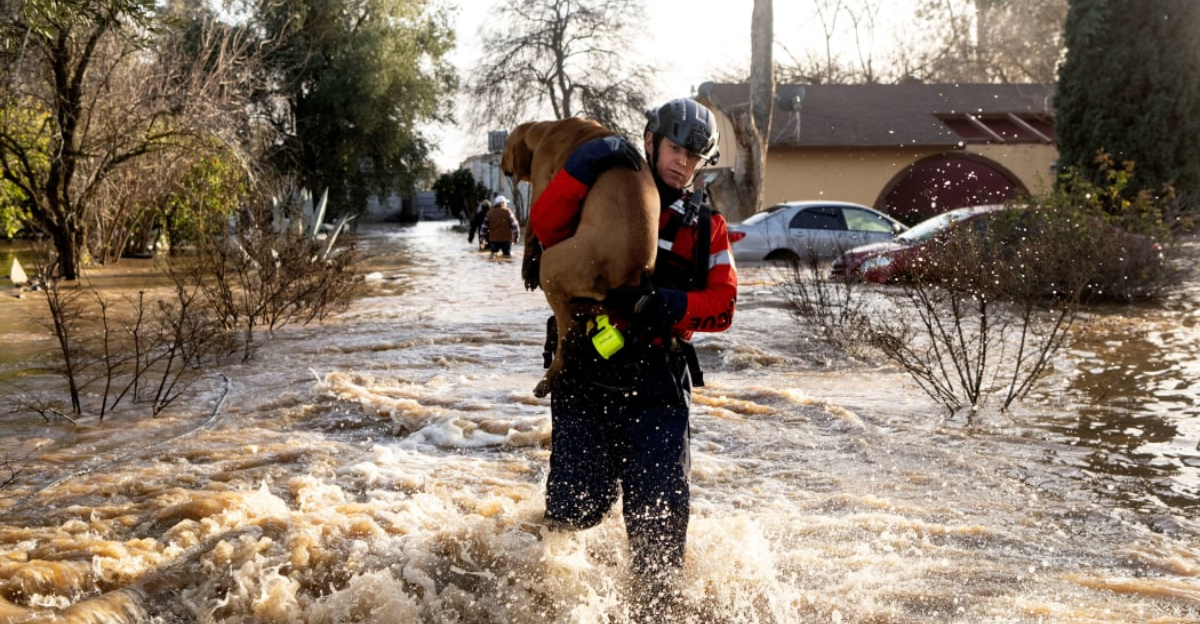
California’s 2025 rainy season has begun with an urgent statewide “extreme” weather alert triggered by developing La Niña conditions, according to the National Oceanic and Atmospheric Administration (NOAA).
The state’s Department of Water Resources (DWR) is mobilizing resources in anticipation of both drought and severe flooding events. This year’s forecast marks one of the most significant seasonal risk escalations in recent memory.
Climate Pattern Influence
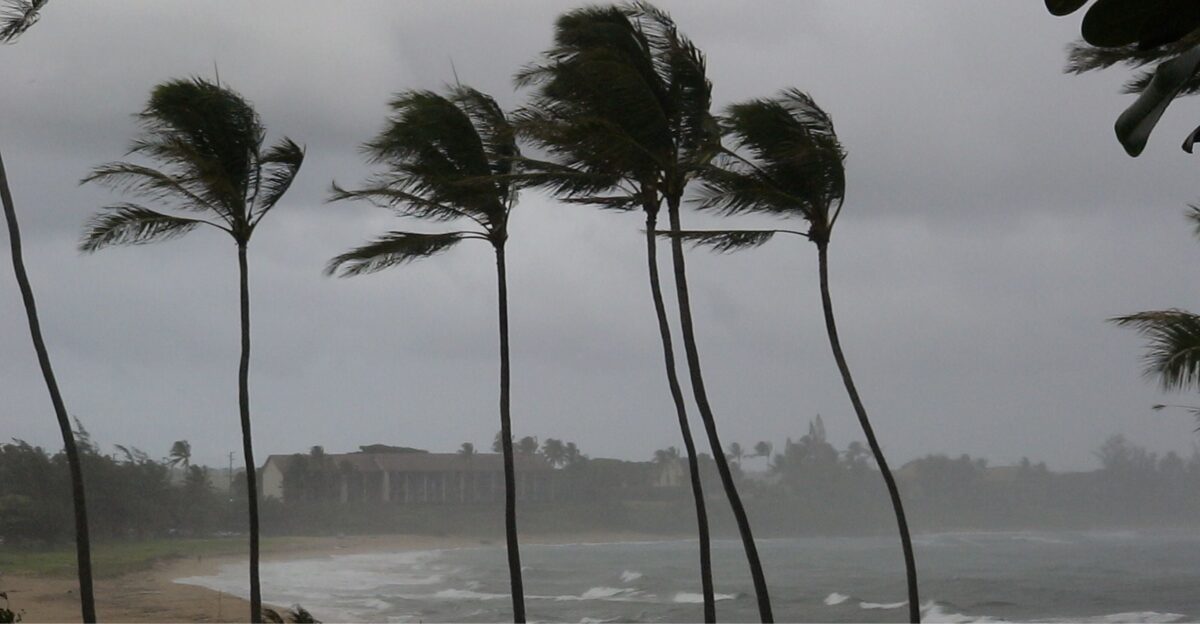
La Niña, a weather pattern characterized by cooler-than-average sea surface temperatures in the Pacific Ocean, is expected to intensify through December.
NOAA climate experts predict these ocean changes will fuel a mix of dry spells and fierce storms, disrupting California’s typical rainfall distribution. Early warnings are in effect as agencies coordinate increased monitoring protocols.
Recent Historical Trends
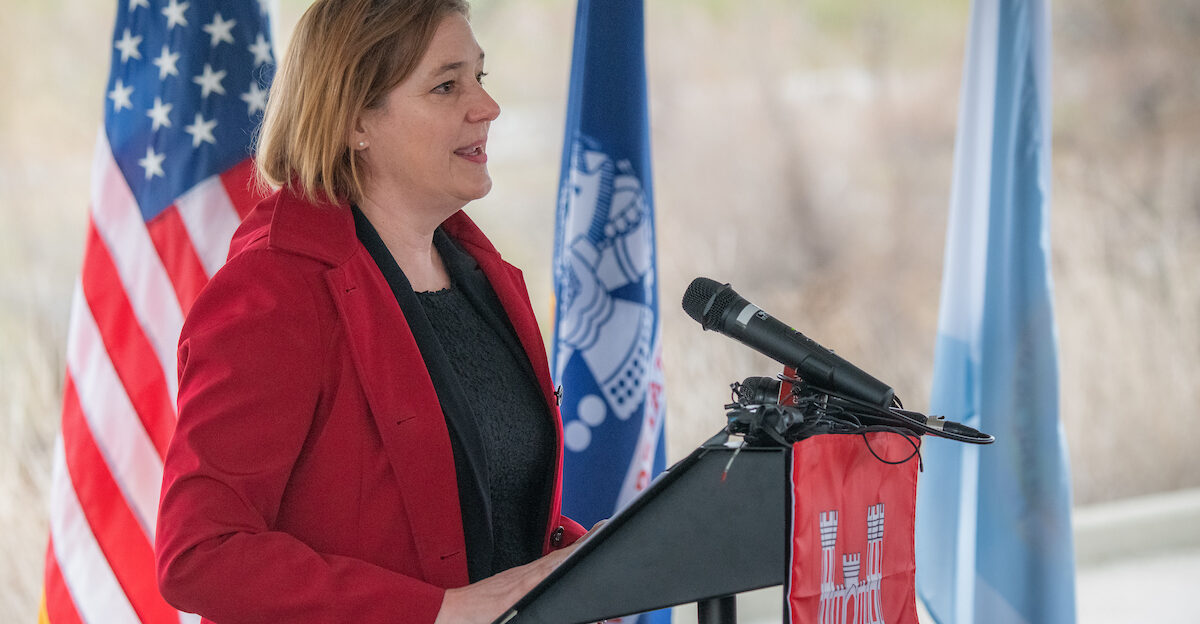
California’s weather extremes in 2023 and 2024 set the stage for this year’s heightened preparation. DWR Director Karla Nemeth notes that the past five years have brought both devastating wildfires and torrential floods across the state, reinforcing the need for proactive risk management.
In September 2025 official DWR releases, Nemeth stated, “Just in the past two winters, deceptively average rain and snowfall totals statewide masked the dry conditions in Southern California that contributed to devastating fires as well as flood events across the state from powerful atmospheric river events. California must be ready to respond to emergencies from droughts to floods to fires.”
Pressures Escalate
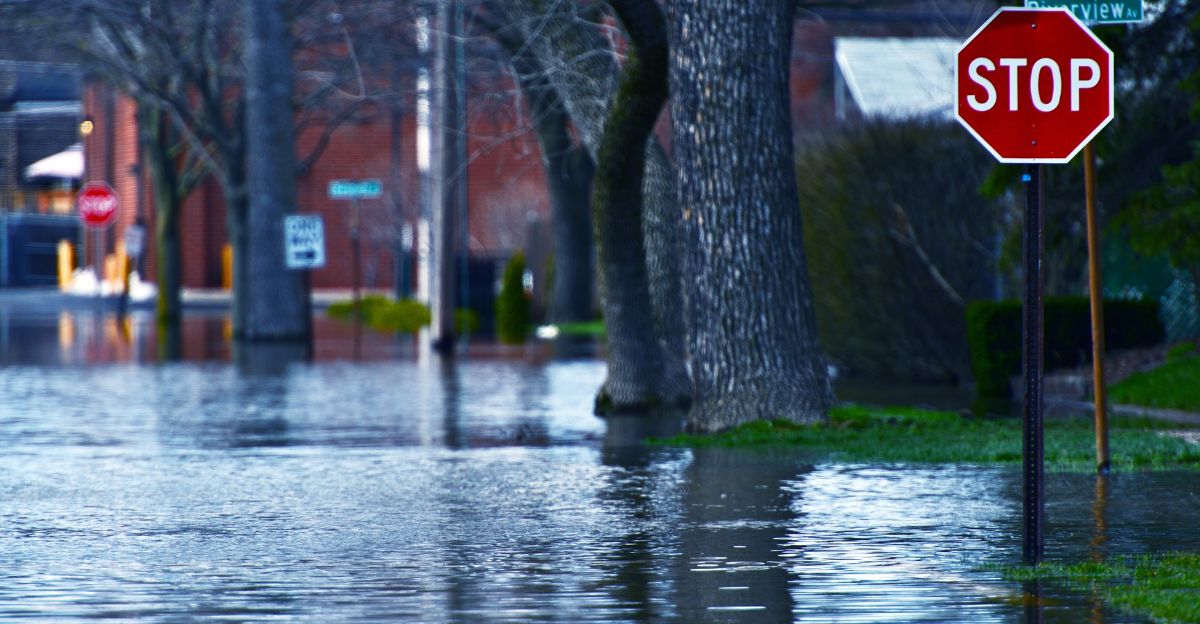
Meteorologists from UCLA and state agencies warn that variable ocean temperatures make California’s upcoming winter forecasts unpredictable.
These uncertainties have led agencies to act earlier than in previous years, deploying materials and updating emergency response strategies before the first major storms arrive.
Major Deployment Initiated
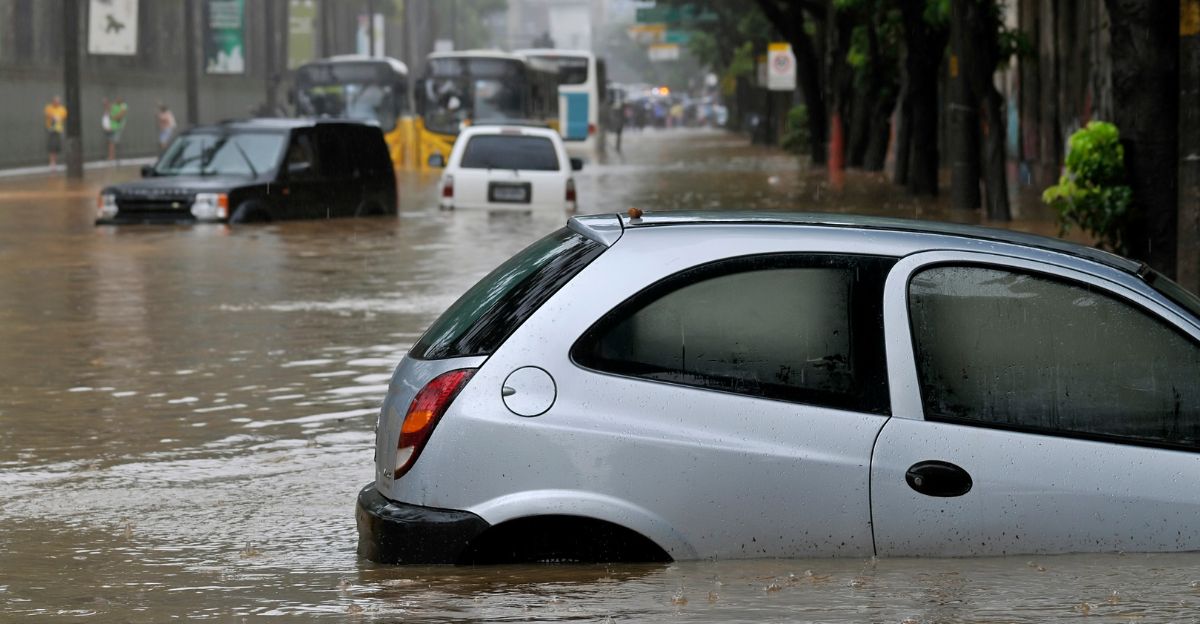
On September 30, DWR confirmed the pre-positioning of nearly 200 flood containers statewide, designed to support local responders during severe weather.
This action, detailed in the agency’s official log, is the largest coordinated flood-response in California’s recent history and aligns with NOAA’s La Niña watch.
Geographic Spread
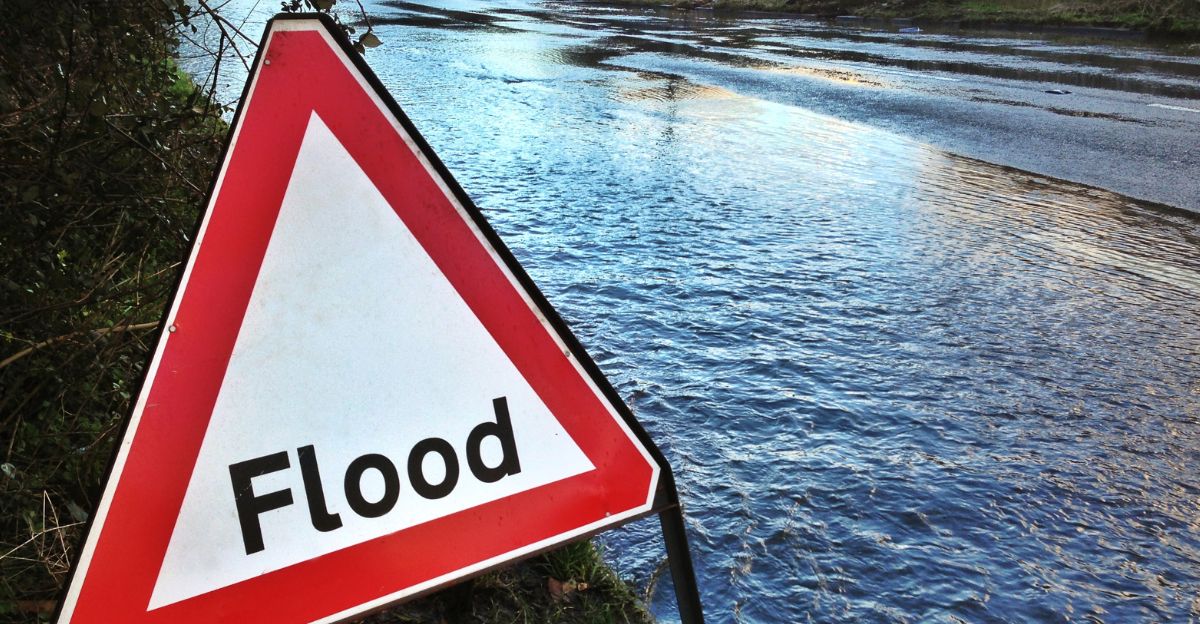
Containers have been distributed across Northern and Southern California, covering major flood-prone regions like the Sacramento Valley, the San Joaquin Valley, and coastal urban centers.
The deployment strategy aims to enhance readiness for both flash floods and extended atmospheric river events.
Community Perspective
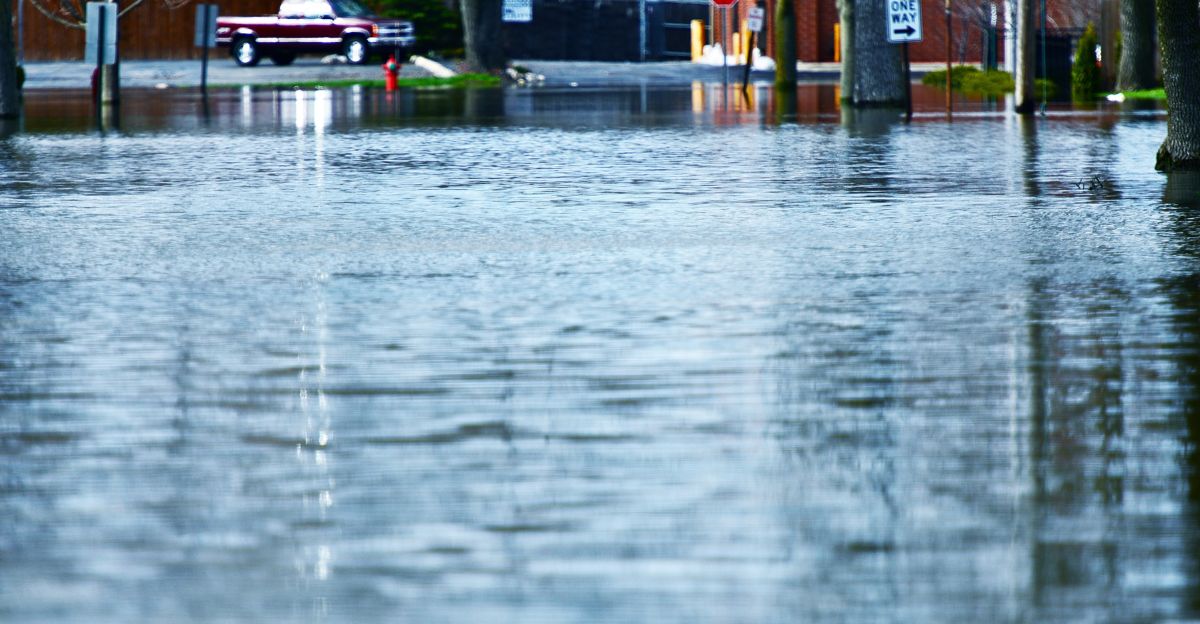
Residents in towns such as Butte and Riverside are reporting a renewed sense of urgency. Local emergency managers say the flood-fighting materials offer people “tangible reassurance,” but some remain concerned about resource gaps if rain events escalate rapidly.
Coordination with Neighboring States
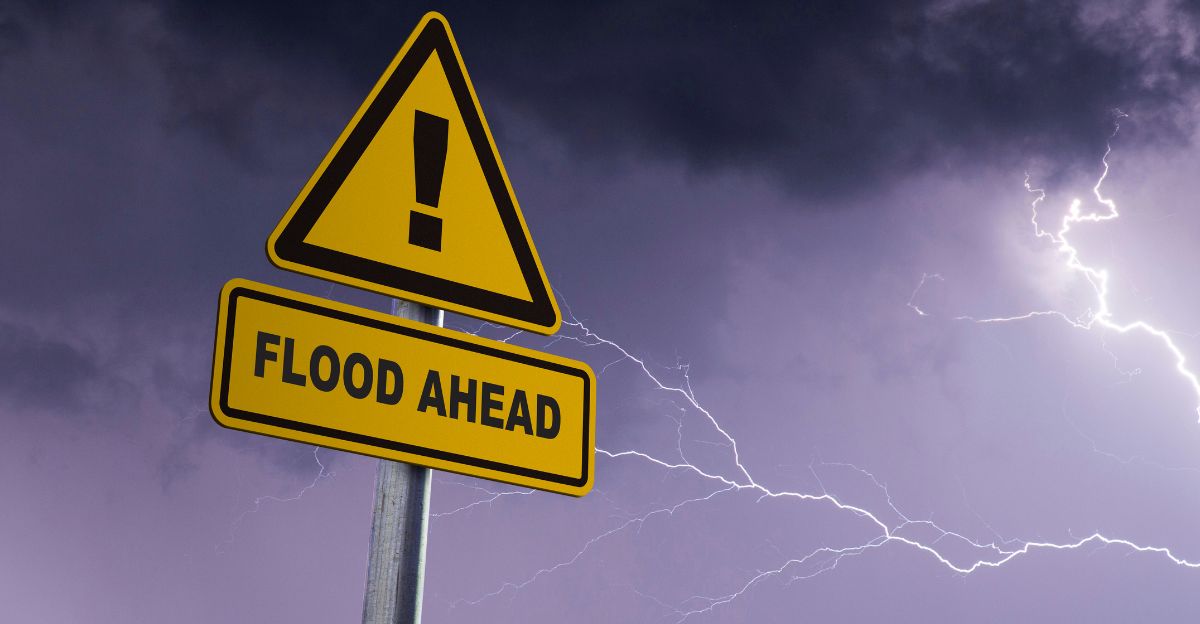
California’s response has prompted neighboring states—Oregon and Nevada—to ramp up their own alerts.
Federal guidelines released in September led many regional emergency management agencies to conduct joint readiness meetings focused on La Niña-driven risks.
National Context
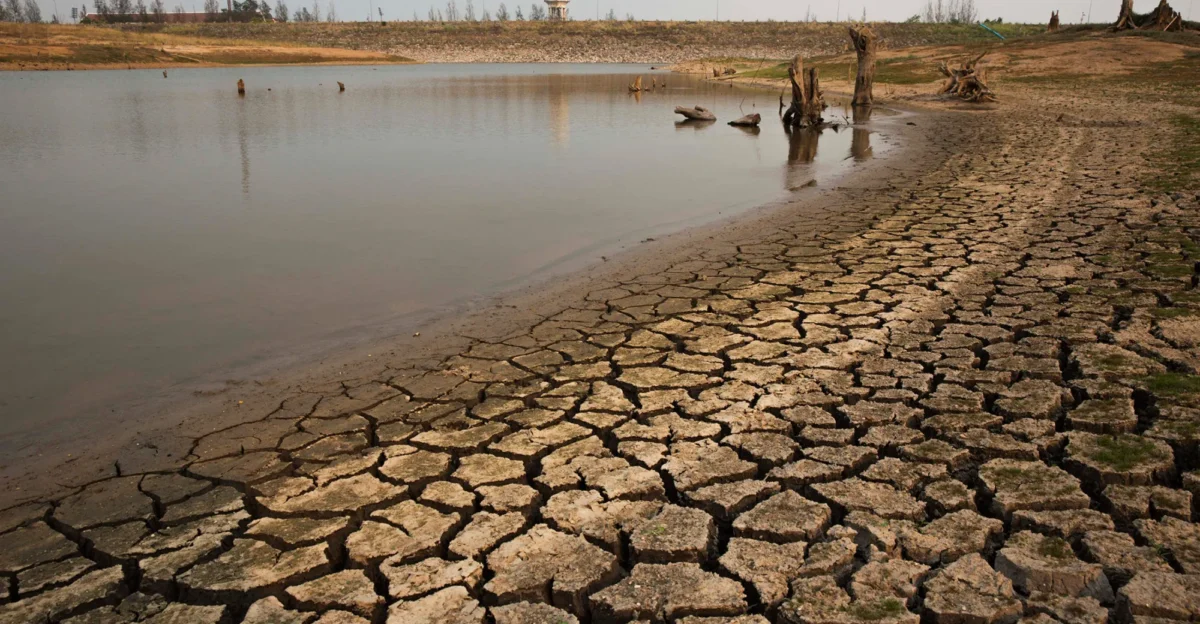
NOAA’s September outlook highlights a broader pattern: 11 western states are facing higher flood and drought probabilities due to the influence of La Niña.
Infrastructure upgrades, strategic sandbag stockpiles, and expanded monitoring are part of a coordinated national response.
Sandbags Ready
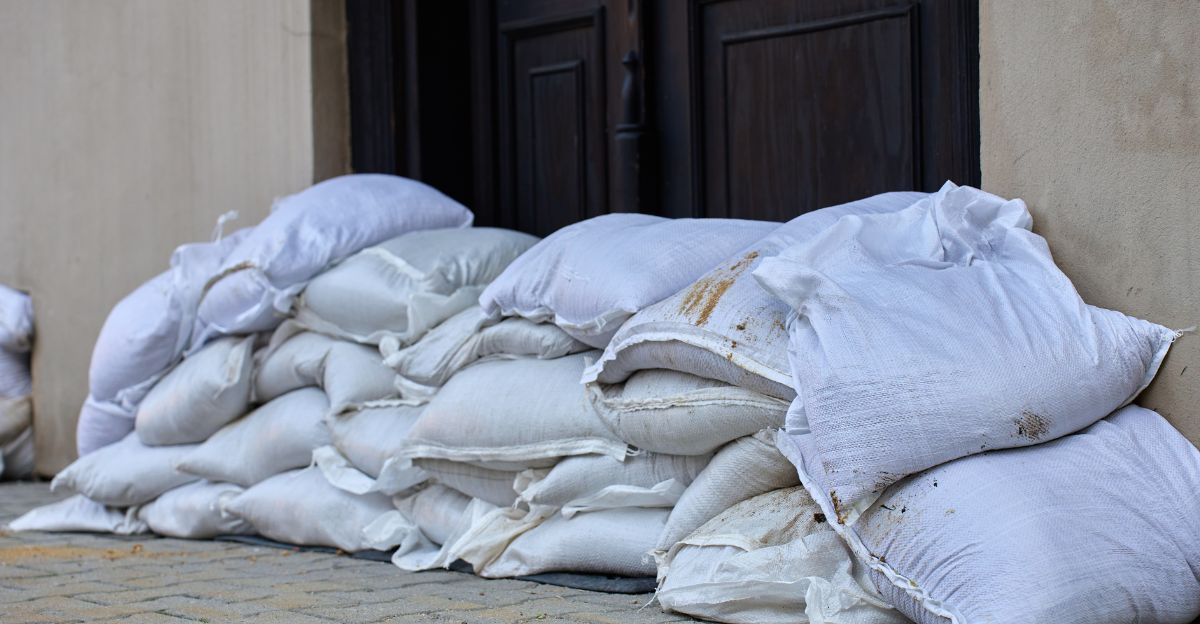
In addition to container deployments, California’s DWR has stockpiled over 4 million sandbags and flexible water barriers for rapid regional deployment.
These assets are a direct response to lessons learned from past flood emergencies and climate-driven storm volatility.
Behind the Scenes
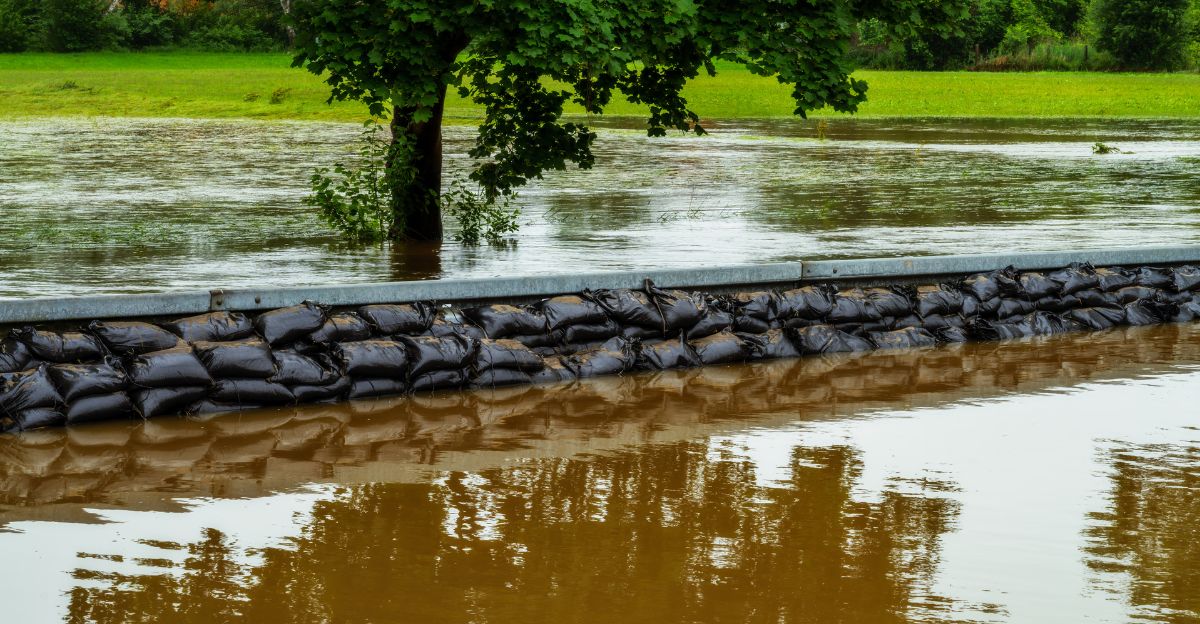
Many county officials have expressed concern about infrastructure vulnerabilities. Rising river levels and older levee systems make some communities especially anxious, even as state and local agencies strengthen emergency coordination.
Leadership Mobilizes
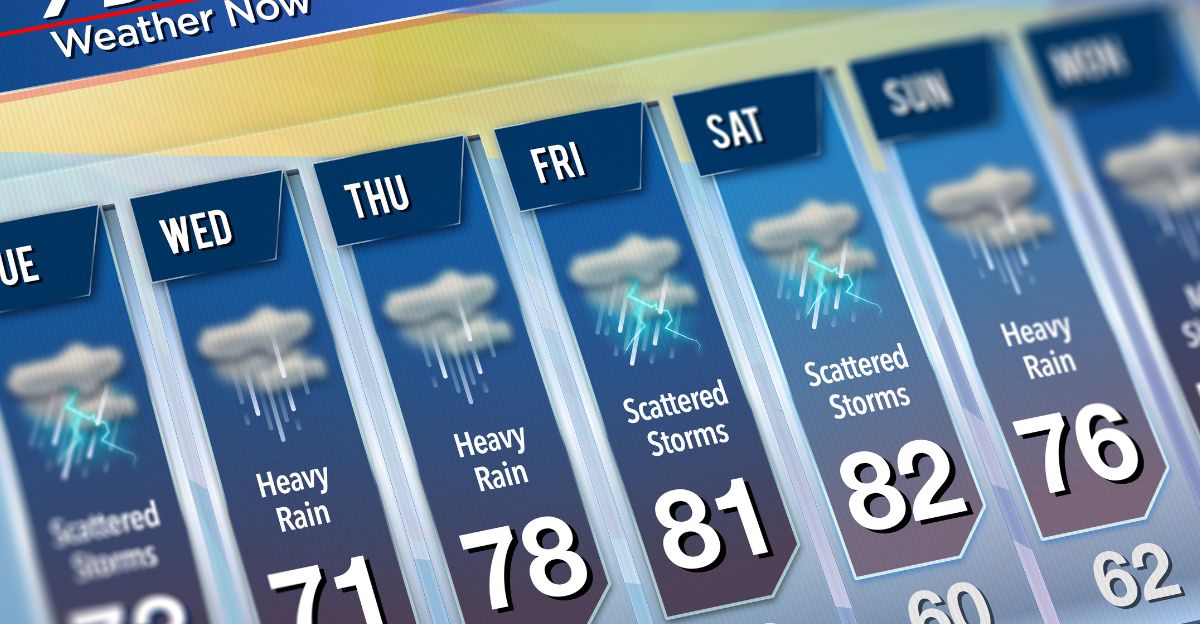
State Climatologist Dr. Michael Anderson leads coordination with other agencies and provides technical briefings on expected rainfall scenarios.
Director Nemeth and Anderson have prioritized transparent public communication, publishing weekly updates on preparedness and changes in risk.
Strategic Planning Shifts
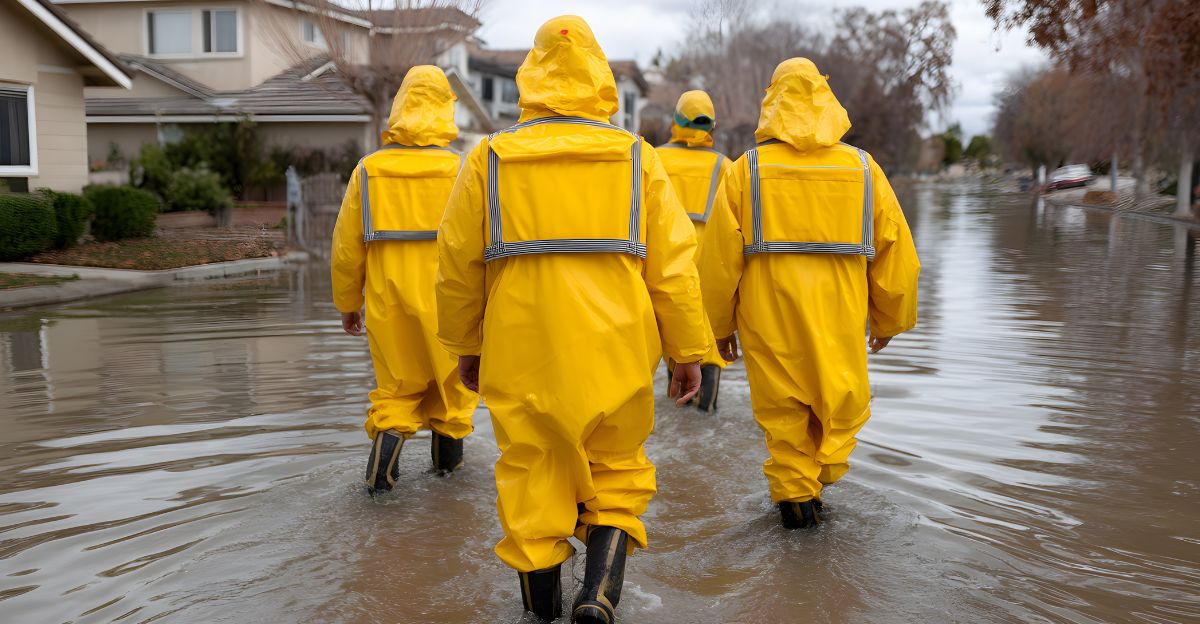
Emergency planners now rely on “dynamic deployment zones” and variable trigger points for container release, based on real-time data from river and reservoir sensors. These advances reflect lessons learned from previous La Niña and El Niño cycles.
Scientific Outlook
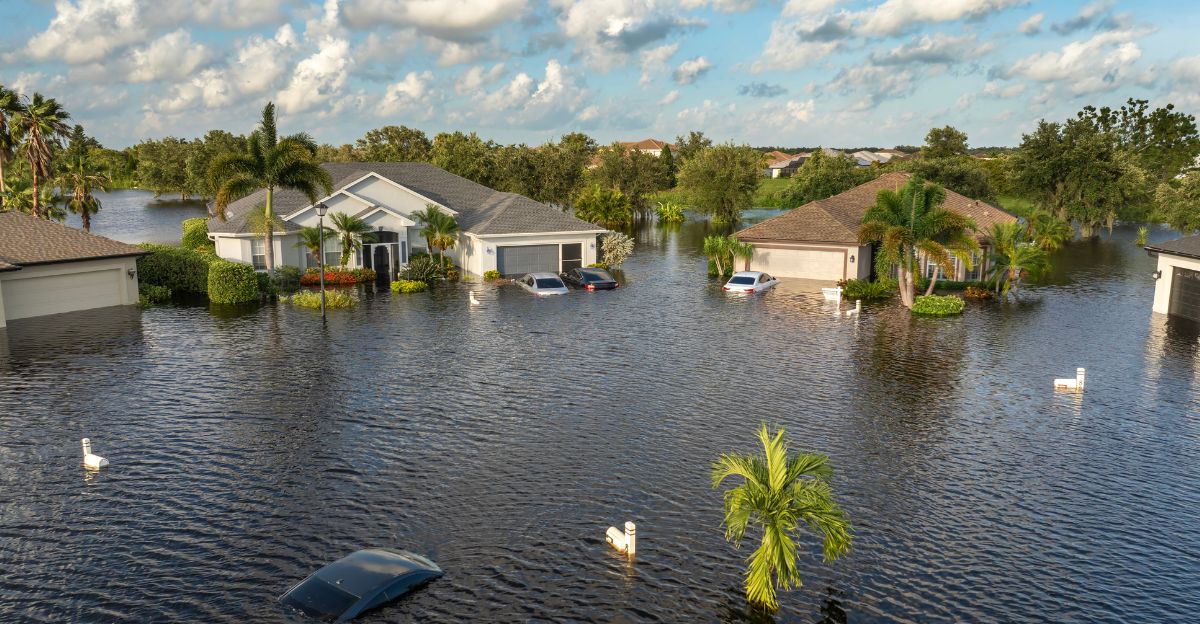
NOAA climatologists predict that La Niña could end by spring 2026, but warn that precipitation may remain erratic.
California’s water managers are preparing contingency plans for both extended droughts and unexpected flood bursts, reflecting the growing uncertainty of climate change.
Looking Ahead
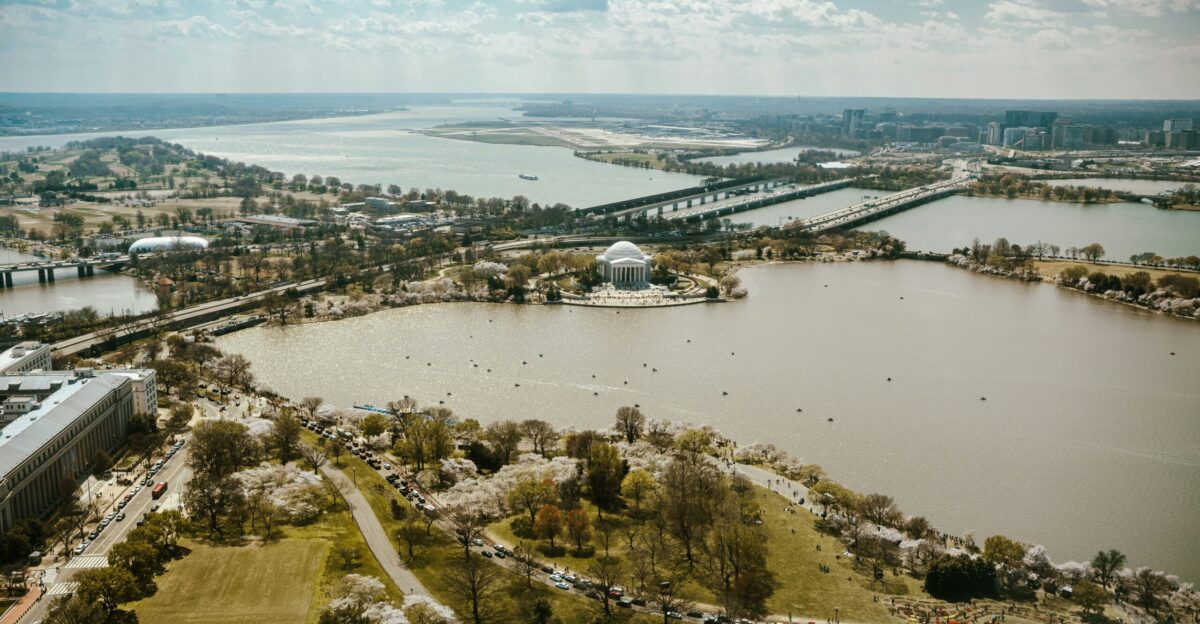
The state government anticipates the highest risk period to be between January and March 2026, when repeated atmospheric river storms could pose a significant challenge to infrastructure and community resilience. Continuous updates and public warnings are expected in the coming months.
Policy Implications
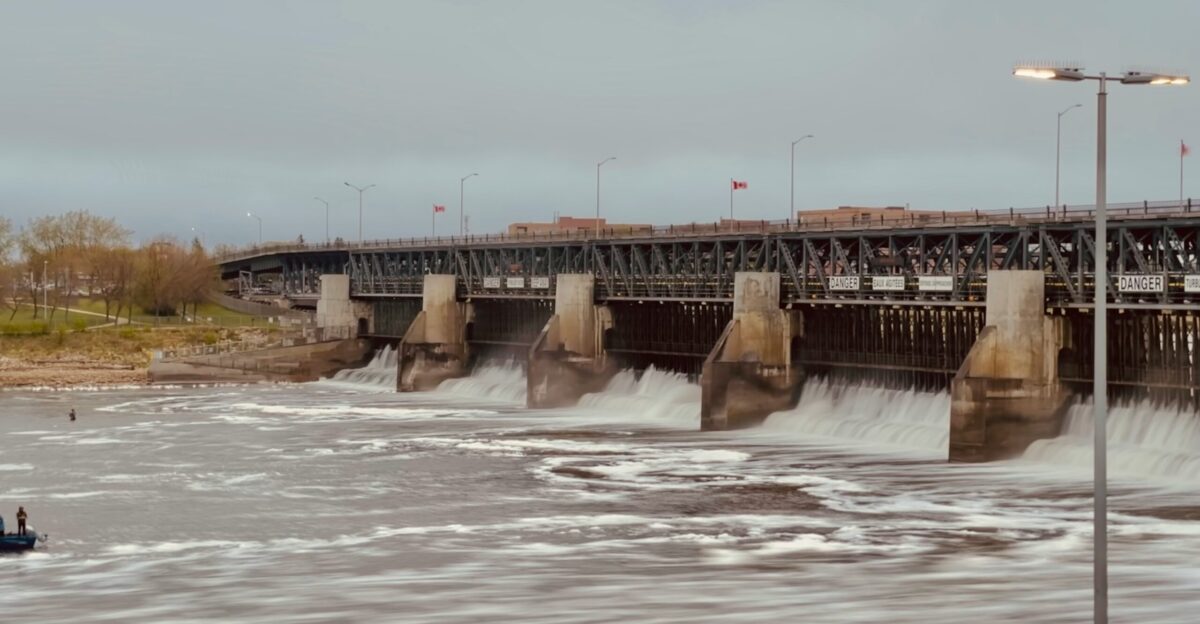
Lawmakers in Sacramento have begun debating long-term disaster funding: proposed legislation seeks increased investment to modernize dams, levees, and emergency operations in flood-prone zones. The rapid deployment this fall may influence future budget priorities.
Global Impact
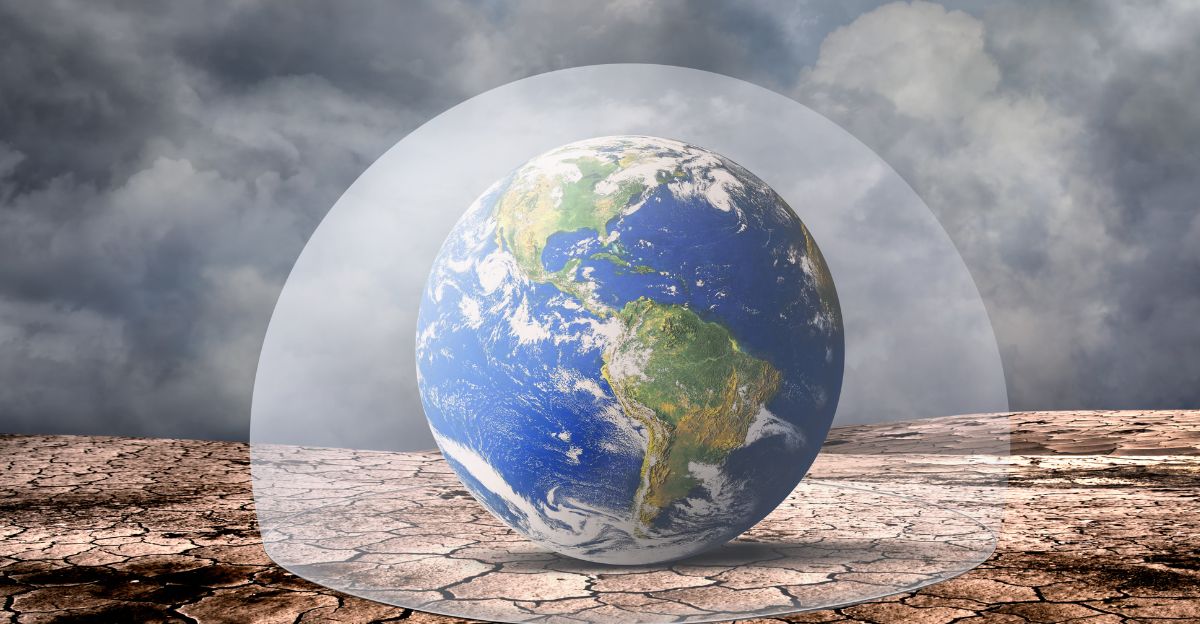
International climate monitoring organizations, including the UN’s World Meteorological Organization, highlight California’s response as a model for adaptation and mitigation.
Worldwide, La Niña conditions are affecting rainfall and agriculture in regions as far-flung as South America and Asia.
Environmental Concerns
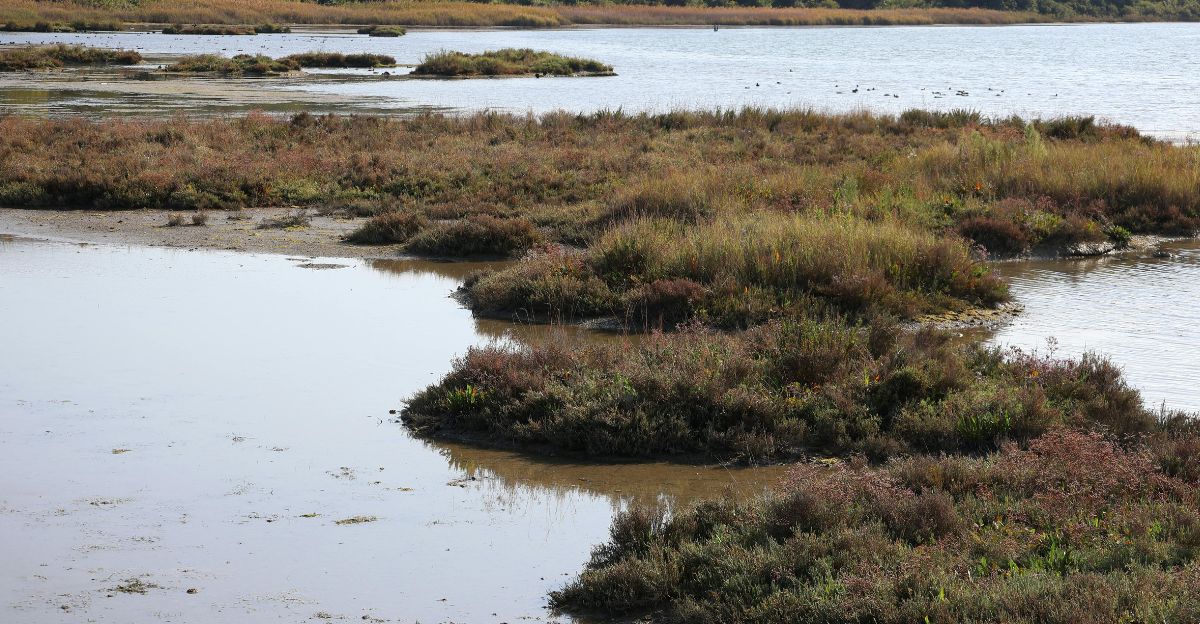
Environmental groups are lobbying for increased wetland restoration and improved floodplain management, warning that current responses are not enough to counter longer-term climate pressures. Legal challenges focus on whether recent emergency actions comply with updated federal regulations.
Residents Adapting

California residents are adapting: household flood kits, evacuation maps, and regular community drills are becoming commonplace.
Organizations report that practical steps—such as pre-stocking sandbags—now blend into routine home safety planning.
Are We Prepared for Disaster?
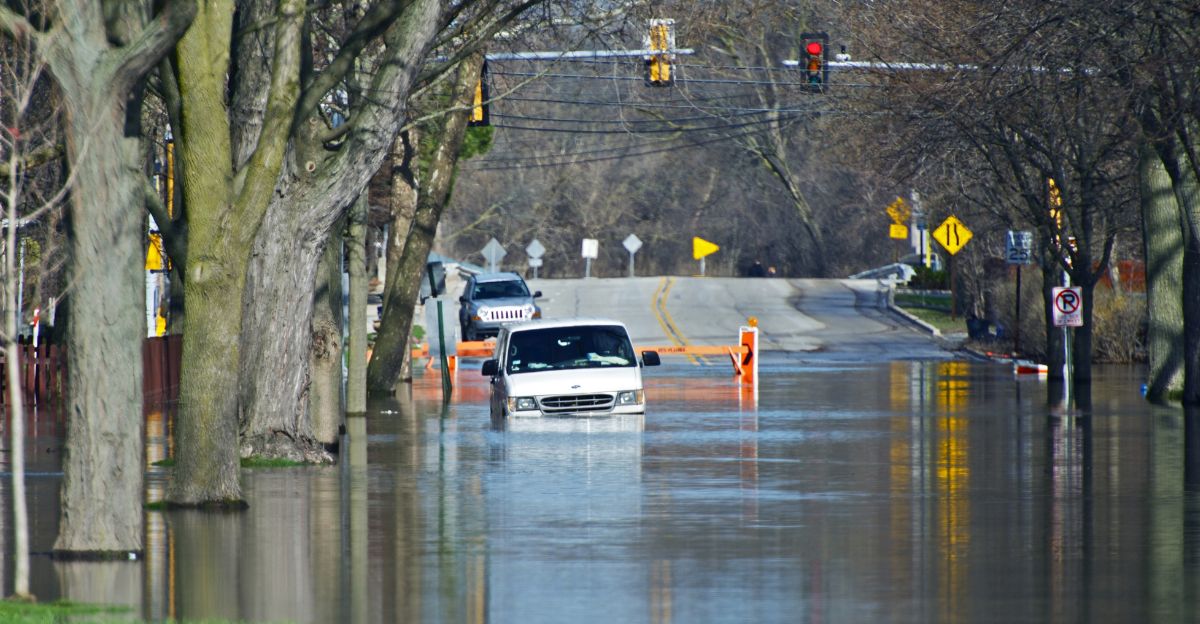
California’s fast mobilization in response to La Niña and shifting climate risks signals a new standard in disaster readiness.
State officials urge ongoing vigilance and flexibility as unforeseen challenges arise, underscoring the importance of science-based emergency management for all communities.