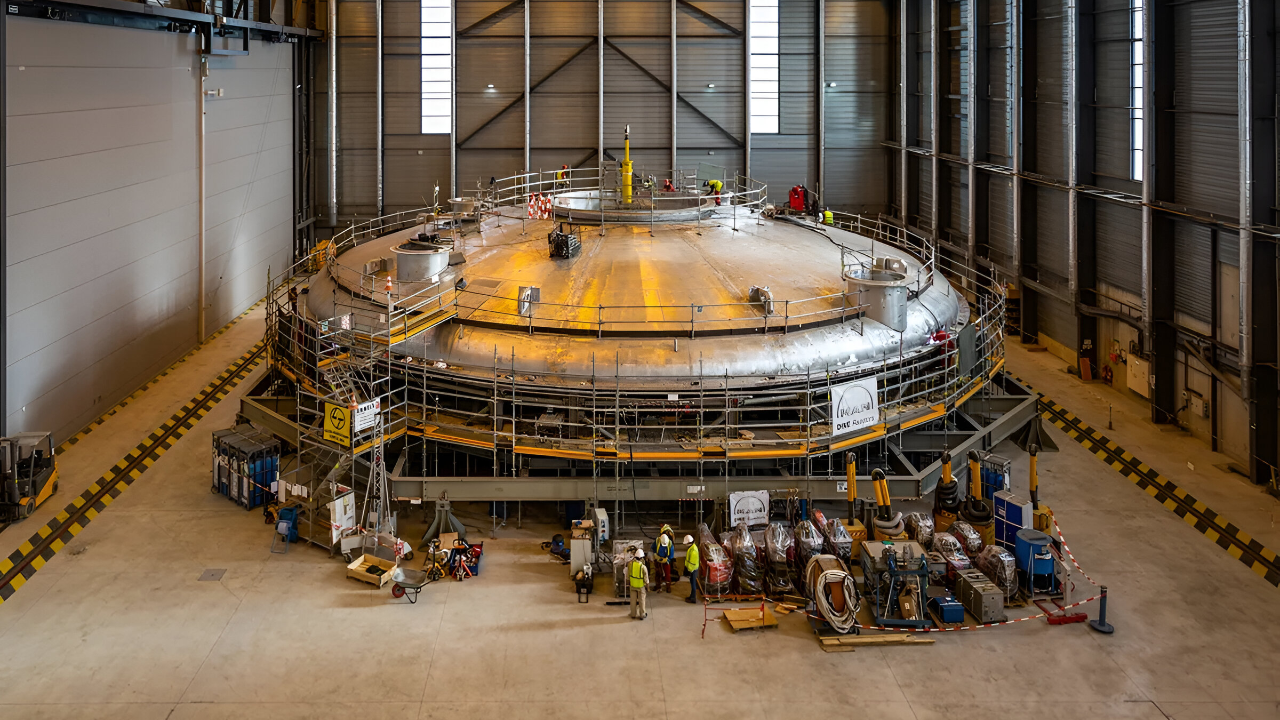
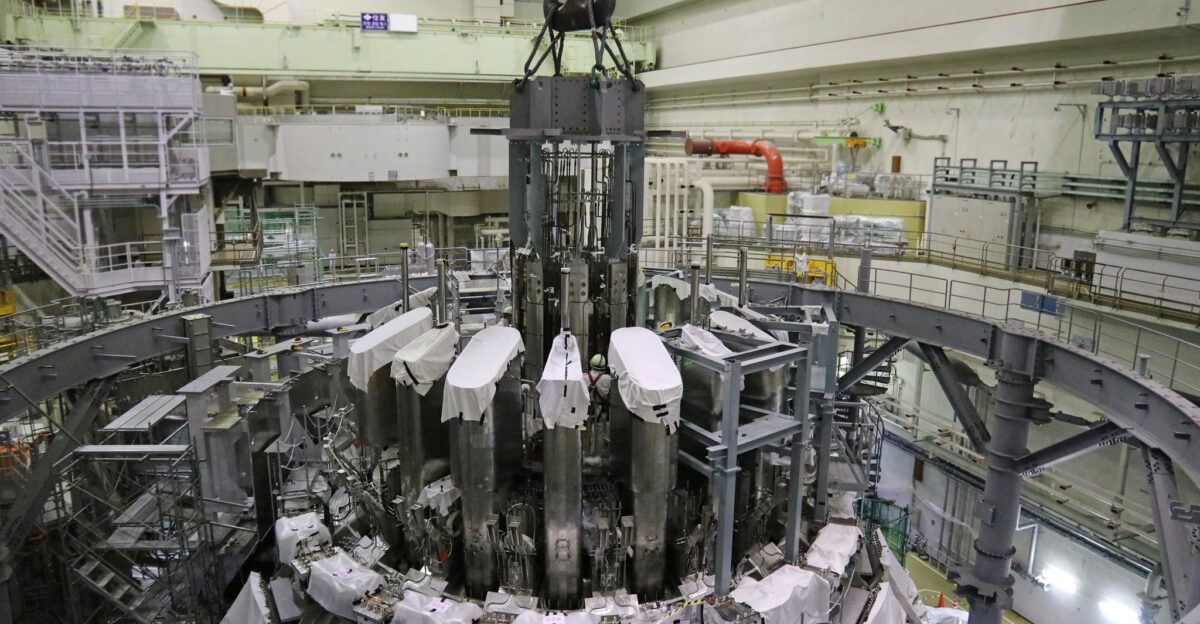
Japan’s JT-60SA tokamak, verified by Guinness World Records as the world’s largest fusion reactor by plasma volume at 160 cubic meters, has entered a planned 2–3 year shutdown to enhance its heating systems and diagnostic capabilities. Built jointly by Japan’s Quantum Science and Technology Agency and Europe’s Fusion for Energy at a cost of approximately €600 million, the facility represents a critical stepping stone in the decades-long pursuit of controlled nuclear fusion as a viable energy source.
The decision to pause operations following first plasma in October 2023 reflects disciplined engineering practice rather than technical failure. After initial commissioning confirmed that JT-60SA’s core systems functioned properly, project leaders identified the need for additional heating modules, advanced diagnostics, and enhanced protection hardware before entering high-power experimental campaigns. This deliberate upgrade window demonstrates how large-scale fusion research prioritizes systematic validation over rapid deployment cycles.
Understanding the Machine and Its Role
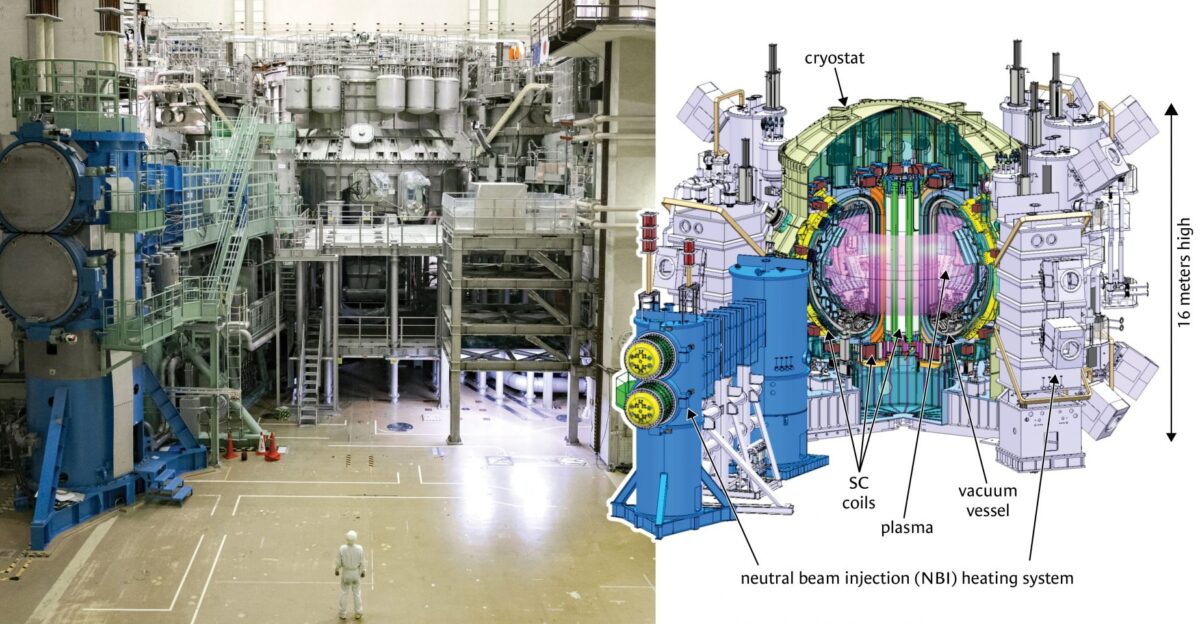
JT-60SA operates as a superconducting tokamak, using powerful magnetic fields to confine plasma at temperatures reaching 100–200 million degrees Celsius—conditions comparable to stellar interiors. The device’s six-story structure houses toroidal and poloidal coils operating near absolute zero (approximately −269 degrees Celsius) while managing the extreme temperature gradient within its vacuum vessel. With up to 41 megawatts of heating and current drive capacity, the reactor can sustain plasma pulses lasting roughly 100 seconds, enabling researchers to study advanced plasma regimes directly applicable to ITER, the larger international fusion project under construction in France.
The Guinness recognition in September 2024 underscored JT-60SA’s significance as a prototype for next-generation fusion systems. ITER’s plasma volume will be approximately six times larger, positioning JT-60SA as a scaled test-bed where operational scenarios, plasma shapes, and control strategies can be validated before deployment on the larger, multibillion-euro facility.
International Collaboration and Shared Investment
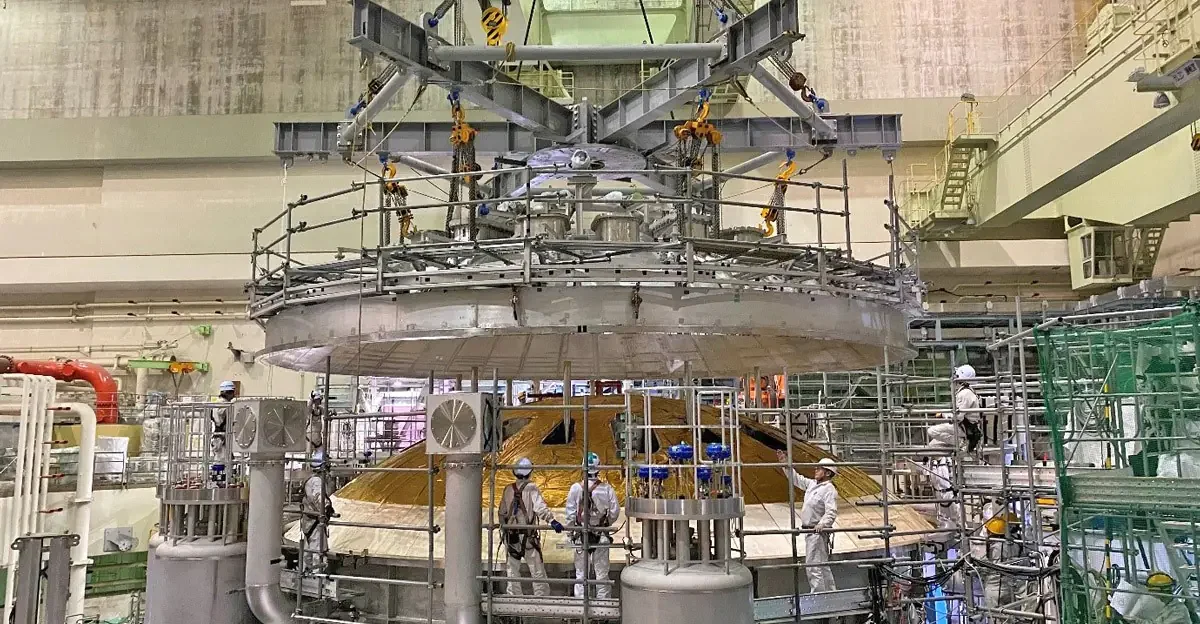
The project anchors a broad international network spanning 170 laboratories and industrial partners from 29 European countries, alongside Japanese institutions. Several hundred researchers from Europe and Japan, supported by more than 70 suppliers, contributed to construction and commissioning. This distributed expertise reflects the “Broader Approach” collaboration agreement between Europe and Japan, established in 2007 to accelerate fusion development and cultivate the next generation of fusion specialists.
Such transgenerational programs inherently require coordinated pauses to align priorities, schedules, and risk management across institutions expecting to collaborate for decades. The current upgrade phase serves as a practical training platform where engineers and scientists diagnose faults, redesign systems, and recommission complex superconducting equipment under operational constraints that future plants will face.
Technical Rationale for the Pause
The 2021 “EF1 feeder incident,” which caused electrical faults and helium leakage requiring extensive repairs, illustrated how cumulative technical problems can disrupt operations even before routine plasma experiments begin. Rushing JT-60SA into extended high-power campaigns without fully mature heating and diagnostic systems would increase the risk of hardware damage, unreliable experimental data, and potentially reputation-damaging failures.
By contrast, a controlled upgrade window converts the device into a more capable research engine. Enhanced heating modules, improved machine protection systems, and fast diagnostics supporting advanced control algorithms enable systematic exploration of advanced plasma scenarios, stability boundaries, and component lifetimes that older machines cannot access. These capabilities directly support credible pathways toward net-energy steady-state fusion and inform deployment timelines extending into the 2040s–2050s.
Strategic Value Within the Fusion Roadmap
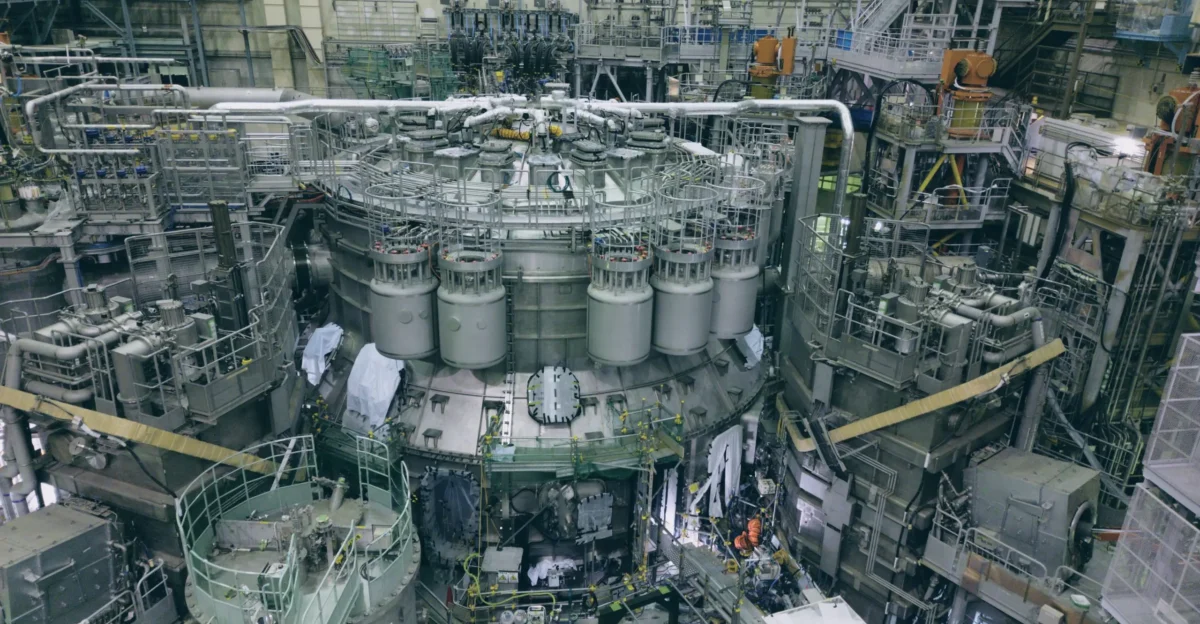
ITER’s scale makes experimental missteps there extremely costly. JT-60SA’s explicit role is to test operational procedures and plasma control schemes before ITER reaches full deuterium–tritium operation, effectively serving as a safety and optimization buffer for the wider fusion program. Allowing the “scout” device to pause for hardware enhancements and then probe more challenging operating regimes first reduces risk for ITER’s campaign and improves the design basis for any later commercial plants.
The upgrade period also rehearses cross-border fusion industries by coordinating new components from multiple suppliers and regions. This cooperative architecture—involving 35 countries through ITER membership and broader European-Japanese partnerships—shapes who writes the rules for 21st-century energy security and establishes shared standards for future commercial fusion development.
Long-Term Perspective
Fusion energy will not provide large-scale grid electricity before the 2040s or 2050s, well after current climate targets. However, long-term decarbonization scenarios require firm, low-carbon baseload capacity to complement variable renewables beyond mid-century. Rushing devices like JT-60SA for short-term optics would be counterproductive; robust, carefully validated experiments conducted now create mature, bankable fusion technologies ready to support deeply decarbonized energy systems later.
JT-60SA’s verified status and planned upgrade represent a necessary investment in reliability and credibility. For stakeholders serious about fusion contributing meaningfully to energy systems in coming decades, this controlled pause is not a setback but a deliberate step on the only credible path toward commercial deployment.