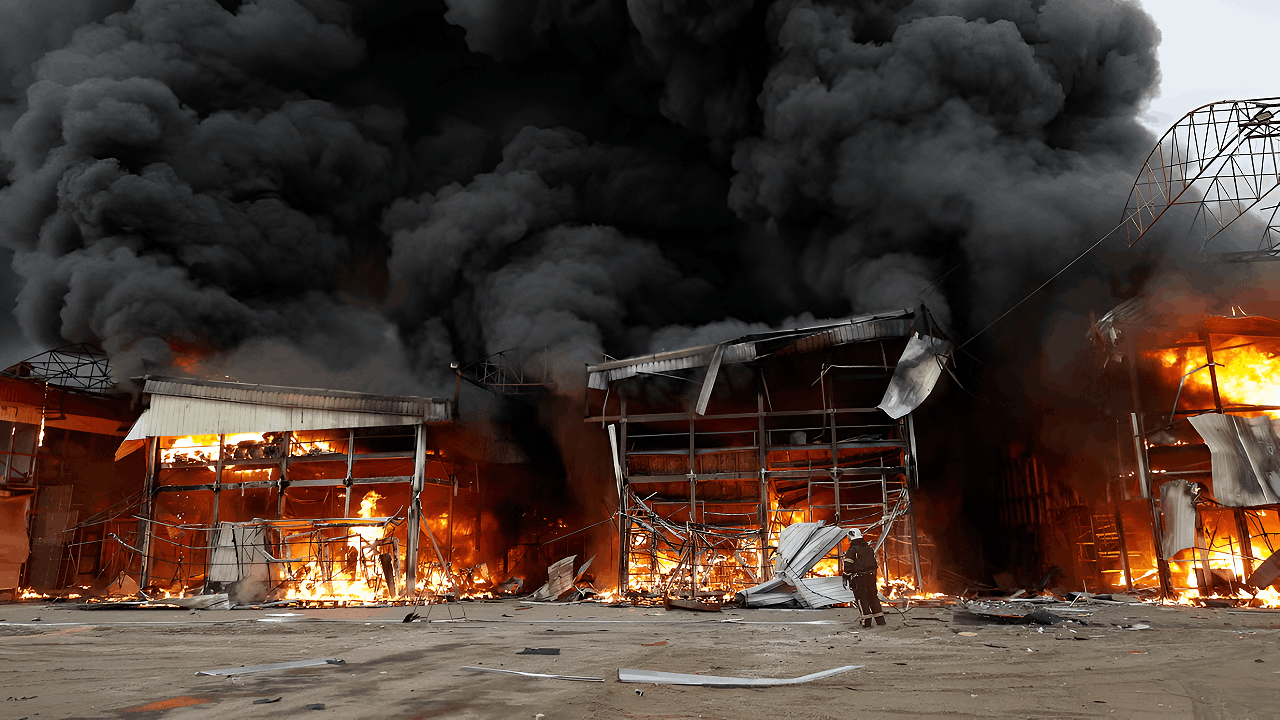
Earlier this week, Russia experienced its largest drone strike since the war began. Almost 200 drones targeted Moscow and nearby regions in a massive aerial assault. The Russian Ministry of Defense stated that all drones were shot down, but independent observers and videos told a different story.
Some drones slipped through defenses, causing fires, small explosions, and minor damage. While no major targets were destroyed, the incident left many residents in Moscow deeply unsettled. Analysts say this marks a turning point.
Russia’s Defenses Under Pressure
Moscow’s air defense systems were quickly activated when the attack began. Radar systems, signal jamming devices, and missile launchers filled the skies with activity. Videos on social media showed bright flashes and loud explosions as anti-air missiles intercepted incoming drones. Government officials said the city was fully protected, but military researchers at the Institute for the Study of War warned that such claims are often overstated.
Residents described a night of fear and confusion. Emergency teams moved across the city, checking rooftops for crashed drones and clearing debris. This sense of vulnerability spread quickly among city dwellers, signaling how the war, once distant, had reached Russia’s heart.
Damage Beyond Moscow
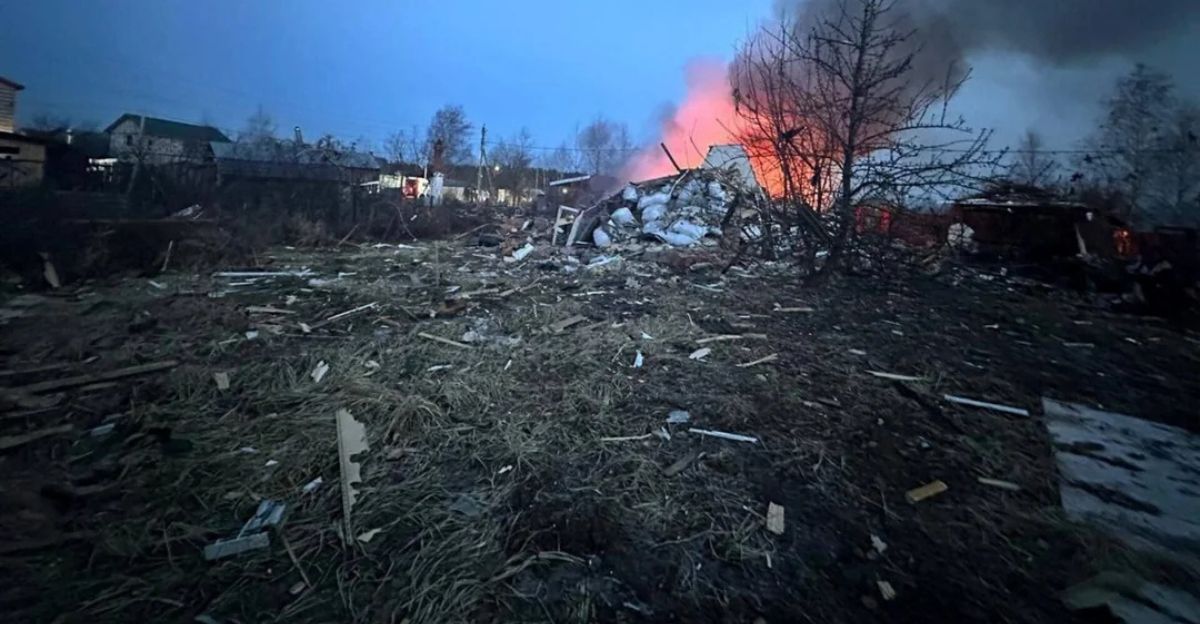
The attack was not limited to the capital. Several other regions, Bryansk, Kaluga, and Tula among them, were also targeted. Reports showed 47 drones hit the Bryansk area, 42 in Kaluga, and 32 in Tula, while more appeared in Oryol, Kursk, and Lipetsk. Satellite data confirmed fires and power outages across multiple sites.
In Bryansk, one of the worst-hit areas, a drone struck a minibus, killing one person and injuring five others. It was the only confirmed civilian death from the assault. Emergency workers battled small fires and cleaned up debris in residential zones. In Moscow, drone fragments damaged a few buildings and cars, but there were no civilian fatalities. Authorities downplayed the damage to major infrastructure, though the scale of the attack showed that Russia’s air defenses remain under strain.
Ukraine’s Silent Strategy
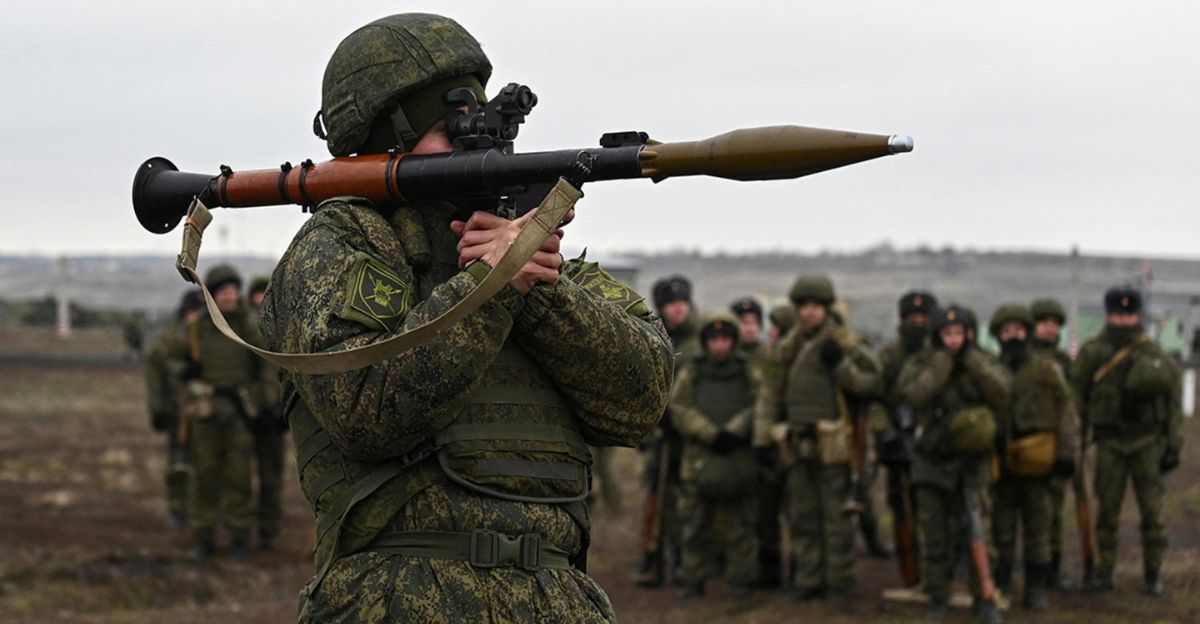
Ukraine has not openly taken credit for the attack. This follows its usual strategy of staying silent about military operations beyond its borders. However, experts agree that the strikes match Ukraine’s pattern of targeting military and industrial facilities inside Russia. These actions are widely seen as retaliation for Russian missile attacks on Ukrainian cities like Kyiv and Kharkiv.
Western defense experts believe Kyiv’s drone tactics are carefully designed to stretch Russian defenses thin and demonstrate Ukraine’s technological progress. By refusing to comment publicly, Ukraine keeps its operations secret while increasing the psychological pressure on Russian civilians and officials alike.
Life in Moscow
The drone attack caused sudden chaos in Moscow’s routine. Two major airports, Domodedovo and Zhukovsky, were shut down for more than two hours, stranding hundreds of travelers and delaying over 100 flights. Public transportation kept running, but the mood in the city shifted noticeably.
Businesses near affected neighborhoods paused operations, while delivery companies rerouted shipments to avoid danger zones. The Russian ruble’s value briefly wavered as global markets reacted, but soon stabilized. By the next day, most of Moscow’s daily life had resumed, though many residents admitted they now felt more exposed to the realities of war.
The Global Reaction to the Drone War
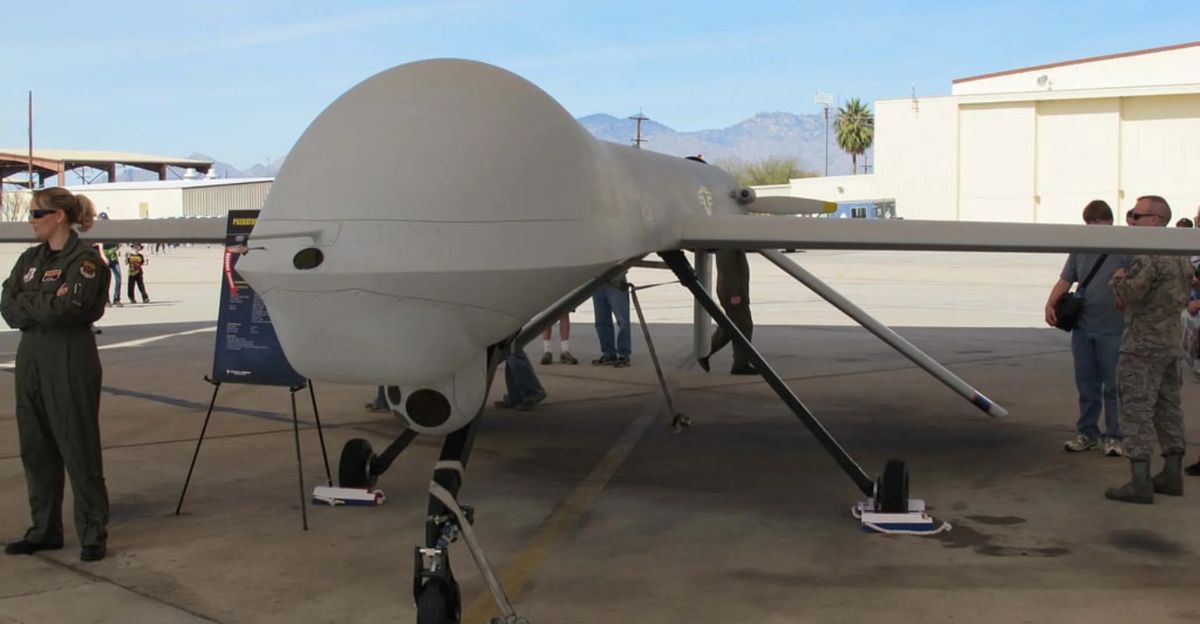
This event has stirred major discussion around the world. NATO officials highlighted how the use of drones is changing modern warfare. Smaller countries, they noted, can now challenge much larger powers with affordable technology. A NATO spokesperson said this shift is forcing nations to rethink how they defend themselves.
The United Nations called for renewed peace talks, while European governments discussed sending more defense systems to Ukraine. Analysts have compared this attack to earlier drone wars in the Middle East, but agreed that the scale and sophistication of Ukraine’s strikes mark a new chapter in European conflict. It may be the most powerful example of drone warfare seen on the continent since World War II.
What Comes Next
Following the attack, Russia responded quickly by strengthening its air defenses. Authorities announced new radar systems and anti-drone networks around Moscow and promised better coordination among emergency services. Additional funding has been allocated for homeland security.
However, this event revealed weaknesses in Russia’s early warning systems. Diverting resources to protect the homeland could also reduce Russia’s offensive capacity on the front lines. For Ukraine, experts see the operation as both a tactical achievement and a morale boost, it proved that Ukrainian forces could reach deep into Russian territory.
Both sides are now adapting rapidly to this new form of warfare. As drones continue to evolve, more cities far from the battlefield may face similar threats. The attack on Moscow serves as a warning that modern war is no longer confined to front lines, but can strike anywhere, at any time.