
The Earth is darkening and trapping roughly 970 terawatts more heat now than it did in 2001, which nearly doubles the planet’s energy imbalance, according to NASA’s alarming revelation. As a result, global warming is accelerated because energy absorbed from the sun is greater than energy radiated back to space by an unprecedented margin.
In addition to greenhouse gases, the main cause is a decrease in Earth’s albedo, or reflectivity, particularly as a result of melting sea ice and dwindling reflective cloud cover. Heat retention is exacerbated by these changes because darker surfaces, such as the open ocean and land, absorb more sunlight.
Past Patterns of Energy Imbalance

Earth’s energy imbalance has been increasing steadily since 2001, and by 2019, the amount of heat trapped has doubled from 2005 levels. Two decades of accurate satellite data, such as NASA’s Clouds and the Earth’s Radiant Energy System (CERES), have shown how the planet’s radiation budget has changed.
Complex alterations in atmospheric and oceanic patterns are also responsible for this increase, in addition to greenhouse gas emissions. Uncertainties in climate feedback mechanisms like cloud cover and aerosol impacts are highlighted by the scientific community’s observation of a discrepancy between predicted and observed heat uptake.
Clouds’ Contribution to Earth’s Darkening

Because they reflect sunlight, clouds, particularly low-lying stratocumulus clouds, have long served as Earth’s natural sunscreen. Particularly over large ocean areas, NASA scientists report a discernible drop in these clouds of about 1.5% over the past ten years. Because there are fewer reflective clouds, more sunlight can reach the ocean’s surface, warming it.
This heat is then released into the atmosphere, intensifying global warming. This phenomenon, known to scientists as the “dirty mirror” effect, occurs when cloud cover and brightness decrease, impairing Earth’s ability to fend off solar radiation.
Impact of Albedo and Declining Sea Ice
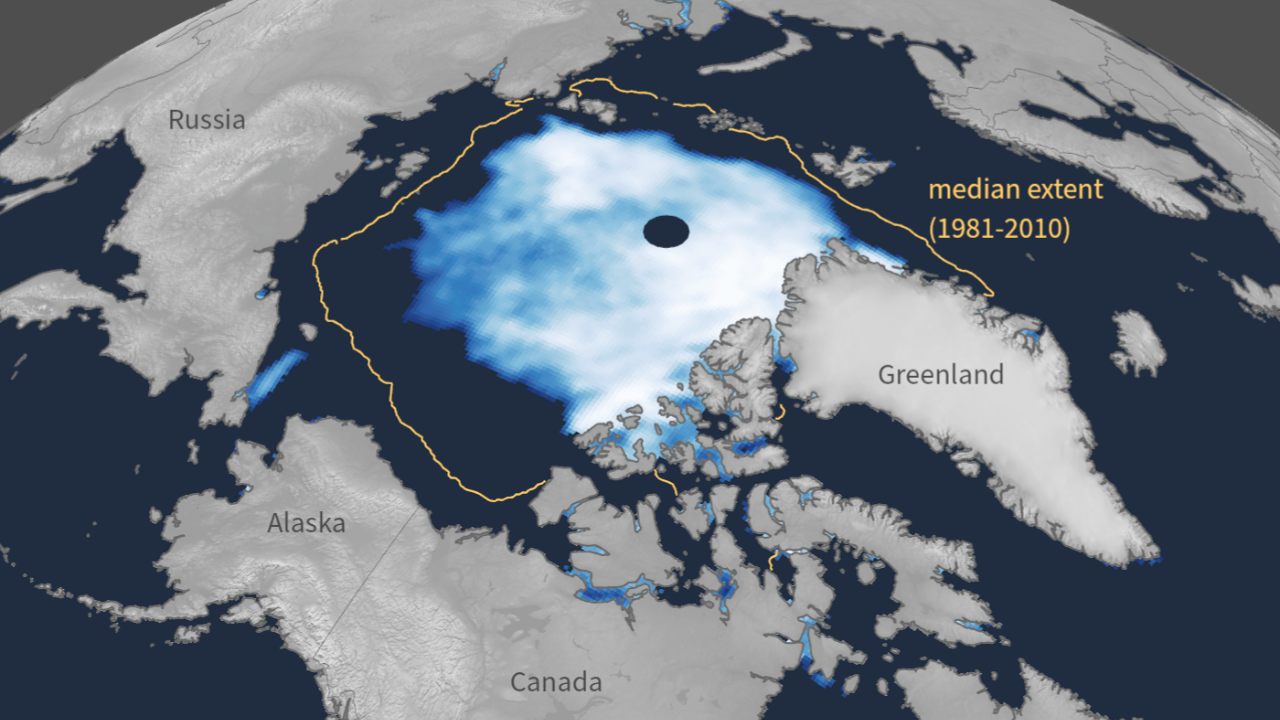
Earth’s darkening is exacerbated by the melting of highly reflective ice sheets, especially in polar areas like Antarctica. Because darker ocean water absorbs eight times as much heat as ice, melting ice causes feedbacks that increase warming both locally and globally. NASA’s 2023 record heat levels have been directly linked to this decline in planetary albedo.
In addition to raising sea levels, ice melt causes regional climate shifts, disrupts weather patterns, and speeds up ocean heat storage. When evaluating the entire range of darkening effects, this process cannot be disregarded because it contributes to the energy imbalance on Earth in conjunction with the decrease in cloud cover.
Circulation in the Atmosphere and Climate Feedbacks

According to studies, shifting cloud patterns could be caused by modifications in the large-scale atmospheric circulation. There are fewer reflective clouds over some oceanic regions, such as off California and Namibia, due to altered wind and pressure systems that affect cloud formation and lifespan.
These changes could be the result of natural variability exacerbated by warming, or they could be the beginning of long-term patterns. These elements produce feedback loops in which warming modifies circulation, which in turn influences clouds and albedo, thus intensifying warming. These patterns are difficult to predict, indicating areas of climate science that require immediate improvement in order to improve forecasting.
Effects of Human Activity on Pollution Reduction
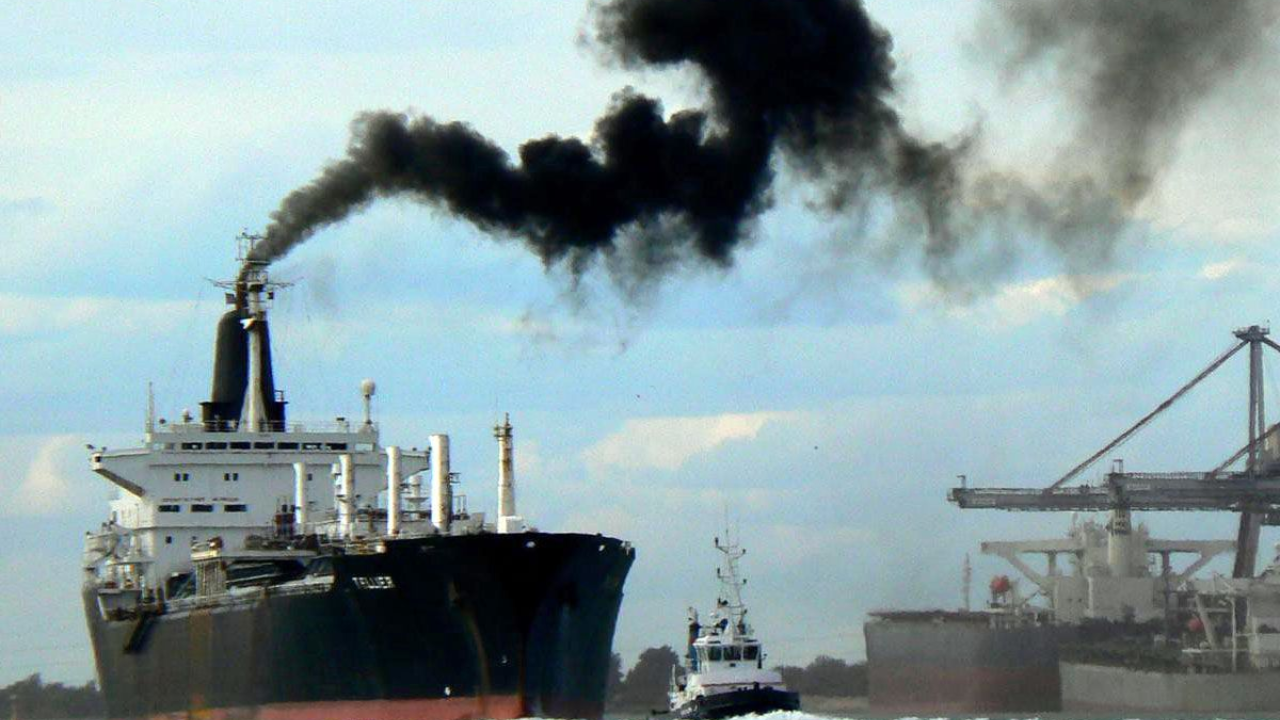
It’s interesting to note that measures meant to reduce pollution, like lowering sulfur emissions from shipping fuel, might have unintentionally decreased cloud reflectivity. Reduced pollution weakens cloud cover and brightness by lowering aerosols that aid in cloud condensation.
Cleaner air is good, but this unexpected result shows how complicated climate interactions are and how addressing one problem can make another worse. This paradox calls into question methods of climate adaptation, highlighting the necessity of comprehensive strategies that take into account complex environmental feedback mechanisms.
Limitations of the Model and Contrarian Opinions

Despite mounting evidence, some opposing viewpoints contend that the warming-driven cloud loss theory is less likely to explain the observed changes than natural variations or data collection techniques. Furthermore, current climate models have underestimated heat trapping rates by almost 50%, indicating a lack of knowledge about important feedbacks.
This disparity necessitates reevaluating the assumptions of the models, particularly with regard to atmospheric dynamics and cloud microphysics. Although skepticism is a good thing, ignoring these concerning results could lead to complacency when it comes to addressing the urgency of the climate crisis. To honestly address these issues, more data must be gathered and the model must be improved.
Unknown Repercussions and Potential Effects
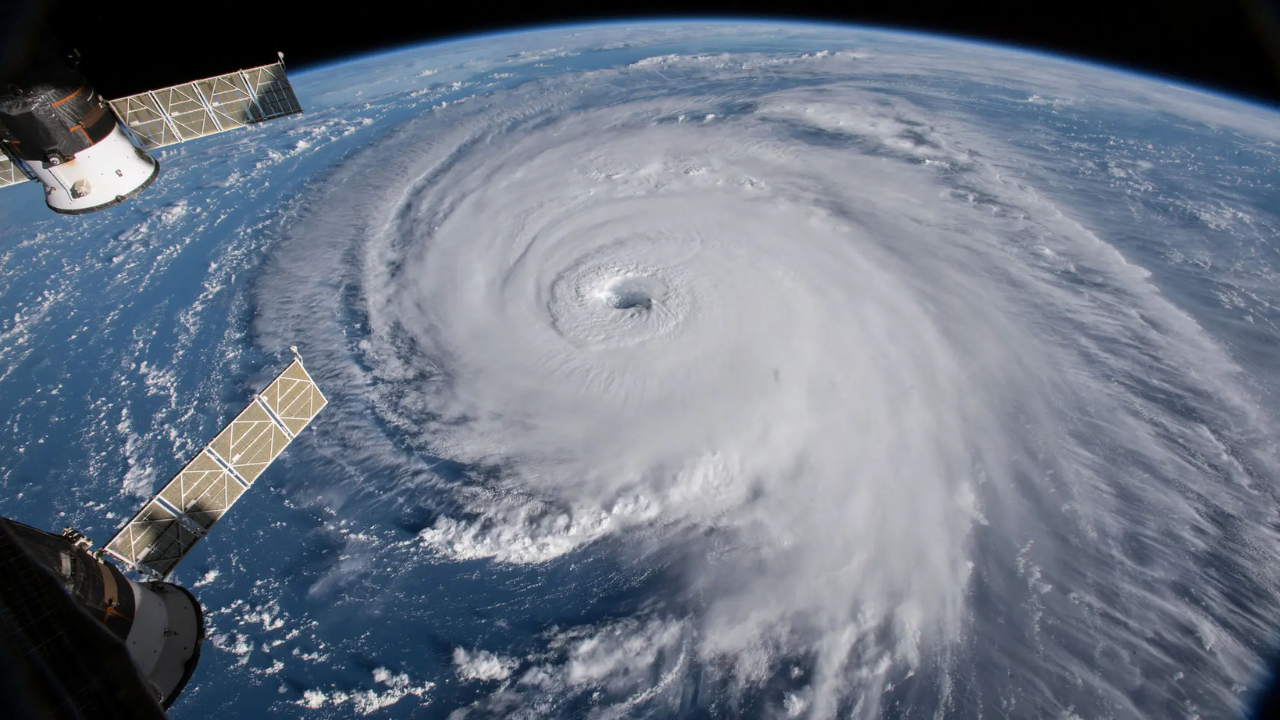
Significant potential second and third-order effects of the Earth’s energy imbalance darkening include longer hotter summers, stronger hurricanes and storms, disturbed marine ecosystems, and changes in global rainfall patterns. Moreover, increased ocean heat content may impair the ability of the oceans to sequester carbon, thereby compromising the natural regulation of the climate.
Socially, these changes disproportionately affect vulnerable populations and endanger health, agriculture, and water security globally. Early and decisive mitigation is not only prudent but also existential, as some theorists warn of climate tipping points where sudden and irreversible changes may ensue.
Developments in Technology Keeping an eye on Earth’s energy
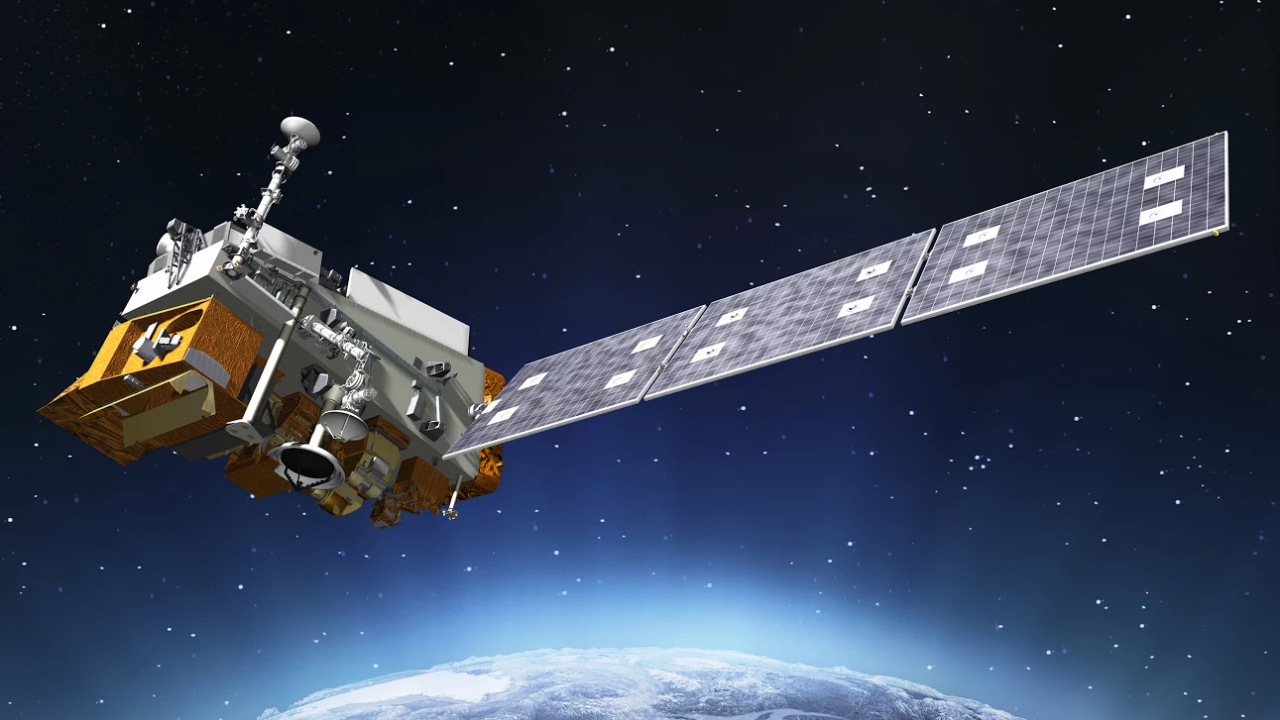
Because of NASA’s commitment to developing cutting-edge satellites like PREFIRE and CERES, it is possible to track Earth’s heat exchanges in real time with remarkable accuracy. These devices provide vital information that supports climate science and policy by measuring thermal radiation, cloud characteristics, and surface reflectivity.
Robotic ocean floats monitor heat buildup, providing information about how oceans absorb and re-distribute climate energy. As forecasting continues to advance, it becomes easier to assess the effectiveness of mitigation strategies and better prepare for climate risks. Knowledge of such data by the general public supports science-based climate action and enables well-informed decision-making.
Verified Information and Trustworthy Forecasts

Earth’s energy imbalance is getting worse, as evidenced by numerous independent NASA studies. Since 2001, the amount of trapped heat has nearly doubled. The main factors found are variations in atmospheric circulation, sea ice retreat, and cloud cover. Despite their flaws, climate models are increasingly taking these factors into account to predict more severe and rapid warming.
According to scientific consensus, if this trend continues, global temperatures will rise by more than 2°C by 2050, with disastrous effects on the environment and society. Oceanic temperature records and verified satellite data offer a strong basis for comprehending and resolving these pressing problems.
Energy Inequality and Climate Narratives
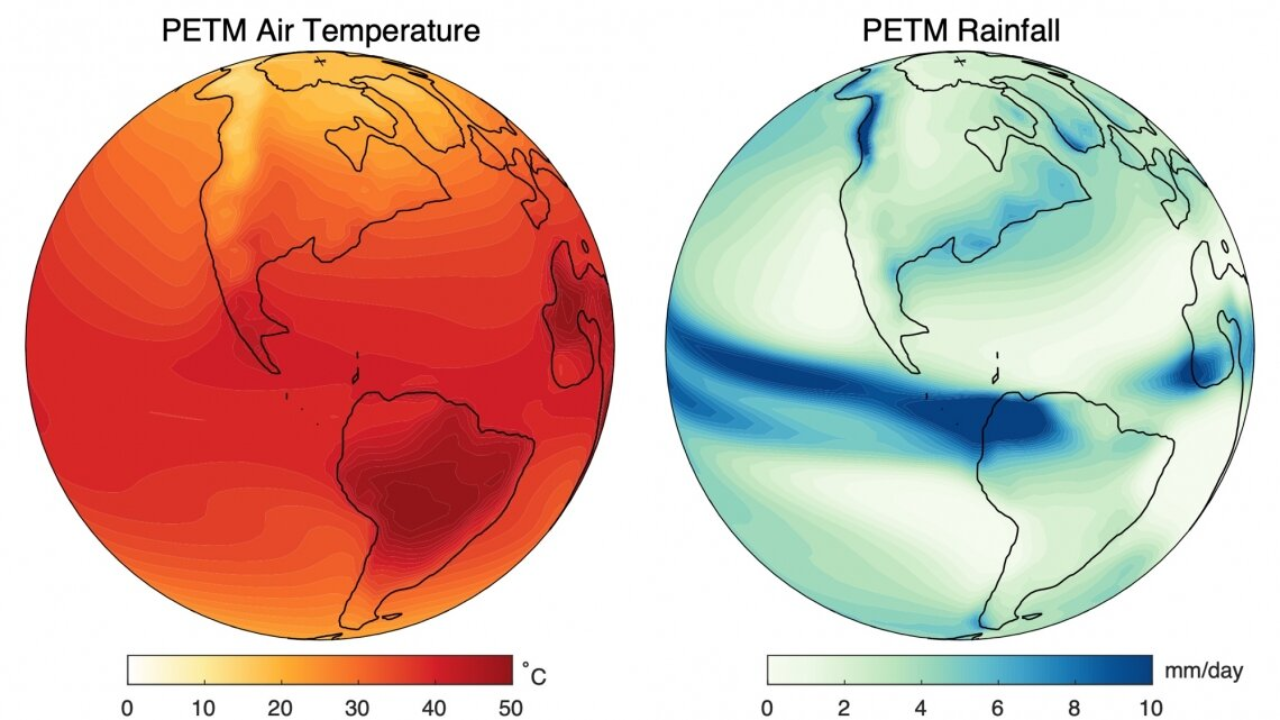
The history of Earth’s climate shows times of significant change brought on by an imbalance in energy. Ocean chemistry and ecosystems were severely disturbed during the Paleocene-Eocene Thermal Maximum (PETM), which occurred about 56 million years ago and was associated with a massive carbon release and rapid warming.
There were comparable feedback loops to those that exist today, such as decreased reflectivity and increased greenhouse gas forcing, highlighting historical precedent for severe outcomes when Earth’s energy budget is skewed. Knowing these trends helps put things in perspective.
Geopolitical and Economic Consequences

Economic environments and geopolitical relationships will change as a result of the energy imbalance that is speeding up global warming. The security of food and water is threatened by heat waves, droughts, and flooding, which fuel migration and conflict over limited resources.
Global inequality is exacerbated by the existential risks faced by nations that rely heavily on climate-sensitive agriculture and fisheries. As rising temperatures lead to spikes in energy demand and health crises, major urban centers struggle with the strain on their infrastructure.
Creative Remedies and the Potential of Geoengineering

Innovative solutions are being developed in response to Earth’s darkening and heat trapping. The goal of geoengineering concepts like introducing reflective aerosols into the stratosphere or artificially increasing cloud reflectivity (marine cloud brightening) is to momentarily counteract heat gain.
These methods may offer the breathing room required to lower emissions and adjust, despite their controversy and danger. Addressing the underlying causes is also aided by developments in carbon capture and renewable energy technologies. By combining these methods with natural remedies like reforestation and wetland restoration, a comprehensive climate defense plan that strikes a balance between urgency and scientific prudence could be created.
Psychological Aspects and Public Awareness

It’s crucial to connect public awareness with scientific understanding. Human perception is challenged by the Earth’s darkening and its invisible trapped heat; although climate change seems abstract, its effects are severe and immediate.
According to psychological research, engagement and group action are enhanced by openness, verifiable data, and framing climate issues with agency and hope. Strategies for education and the media must make this difficult subject understandable, thwarting false information while encouraging fortitude and drive. Psychological support for eco-anxiety and climate grief strengthens society’s ability to react to this growing crisis in a positive way.
Conclusion

There is an unmistakable call to action given the confirmation that Earth is getting darker and is currently trapping 970 terawatts more heat than it did in 2001. This is a current issue that requires all-encompassing solutions, from advanced climate science and cutting-edge technologies to socioeconomic reforms and psychological empowerment. It is not a threat from the far future.
This complex crisis necessitates frank discussion of uncomfortable realities, guts to oppose long-standing structures, and coordinated international cooperation. The future depends on using knowledge and determination to preserve the fragile energy balance of our planet for future generations.