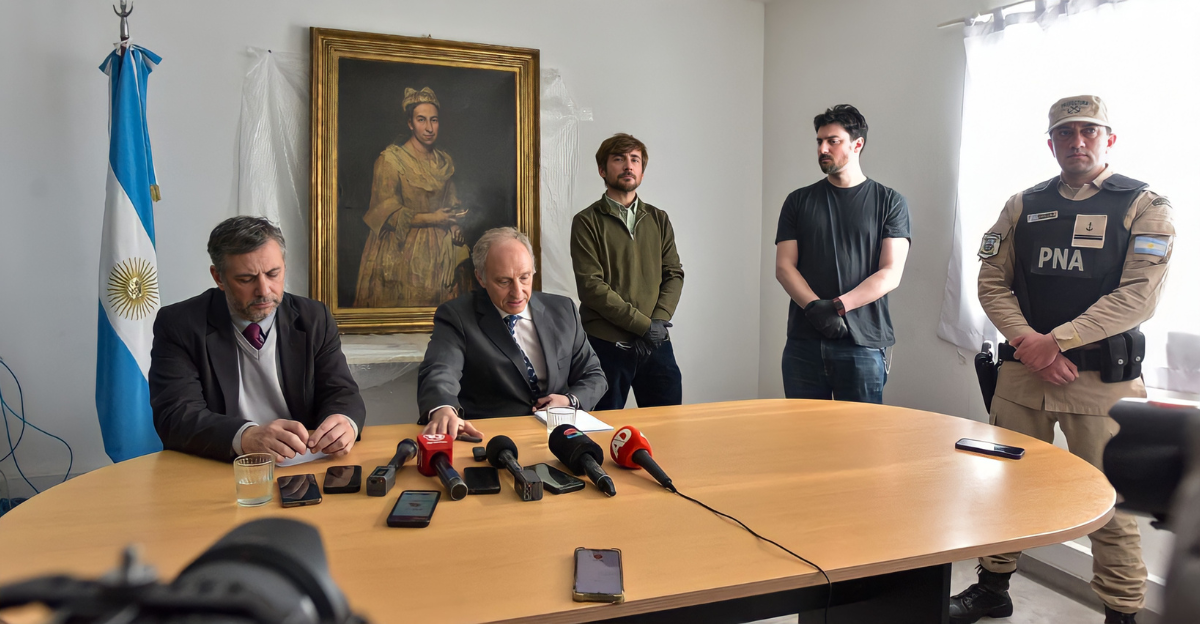
More than 80 years after it vanished, the long-lost Giuseppe Ghislandi portrait “Portrait of a Lady” has emerged in Argentina.
Federal agents announced in September 2025 that the 18th-century Baroque painting, which had hung above a sofa in a Mar del Plata villa, was indeed the stolen masterpiece.
The canvas shows Contessa Colleoni in a lavish dress and an ornate gold frame. Experts estimate its value at around $50,000. Once part of Dutch dealer Jacques Goudstikker’s collection, it’s now hailed as one of the most spectacular Nazi-era art finds in years.
Global Scale of Looting
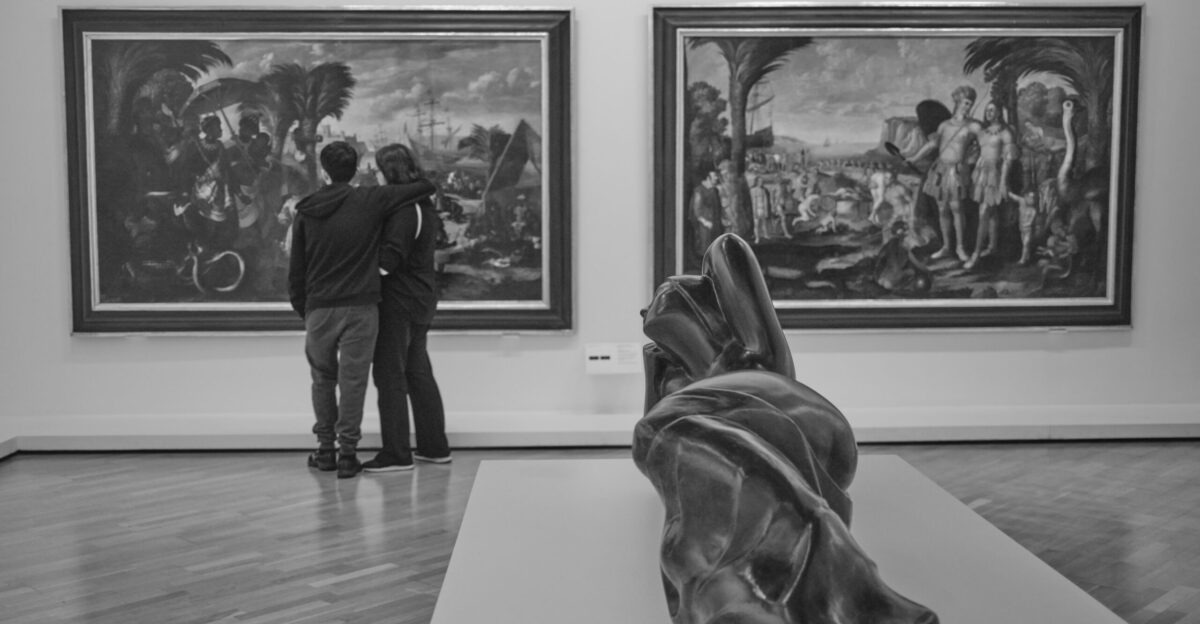
Historians estimate that German forces looted roughly 600,000 artworks and cultural treasures during WWII. Around 100,000 of those pieces remain missing today.
The thefts were not random: Nazi agencies specifically targeted Jewish families, galleries, and institutions to erase their heritage. In that context, every painting returned carries great significance.
The Ghislandi portrait adds to a slowly growing tally of restituted works, each one a victory over history’s largest art robbery (roughly 20% of Europe’s art).
Goudstikker Legacy
Jacques Goudstikker was Amsterdam’s premier Old Masters dealer between the wars. By 1940, he had catalogued over 1,200 paintings in his gallery. When the Nazis invaded, Goudstikker fled by ship but tragically died at sea. His vast collection was left behind and immediately targeted.
Hermann Göring and other top Nazis seized the artworks in a coerced transaction. In total, more than 1,100 works from Goudstikker’s inventory ended up under Nazi control.
The “Portrait of a Lady” was one of those looted masterpieces, making its return a piece of unfinished history finally resolved.
Göring’s Appetite
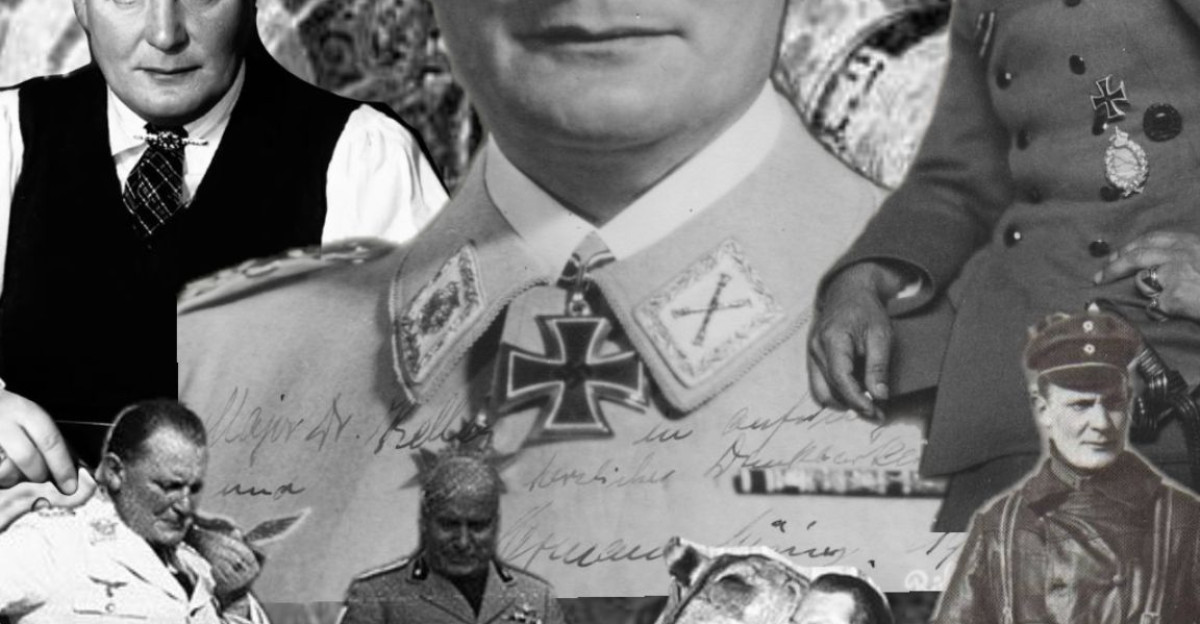
Hermann Göring, Hitler’s finance minister and chief art plunderer, had an insatiable appetite for European masterpieces. He personally vetted Goudstikker’s collection and arranged to acquire nearly all the paintings for a pittance.
Nazi art experts packed the works for transport to Göring’s personal collection.
One of Göring’s finance aides was Friedrich Kadgien, who later emigrated to Argentina. Decades later, it was Kadgien’s Argentine descendants who unknowingly held onto some of the spoils – including the newly recovered painting.
The Portrait Emerges
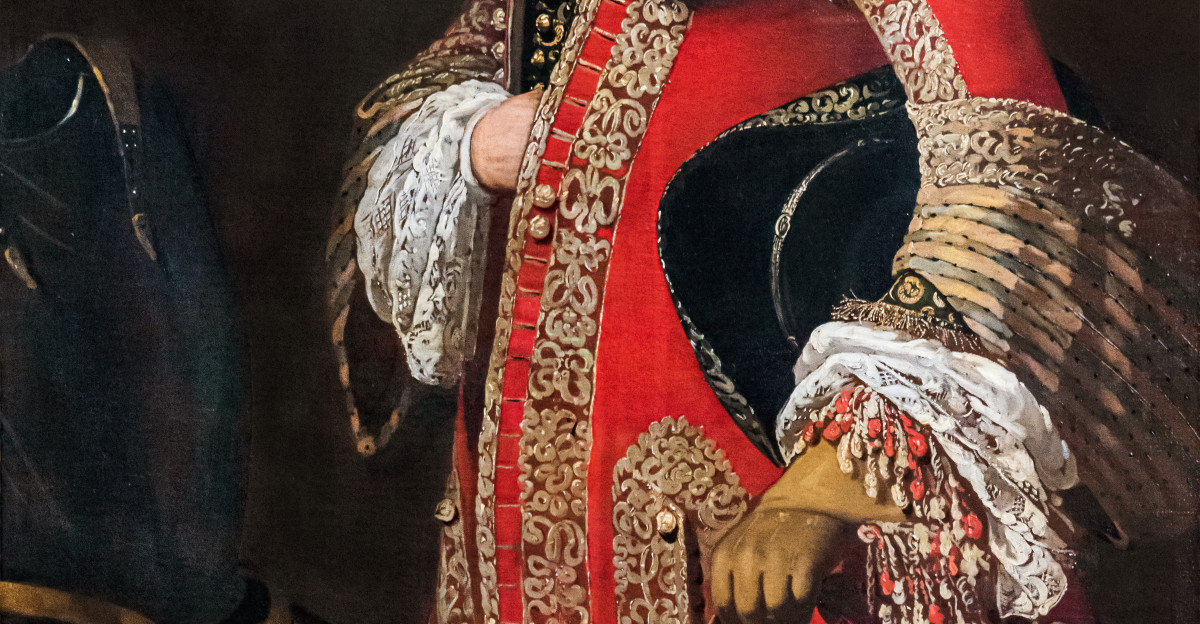
The breakthrough came on Sept. 3, 2025. Argentine prosecutor Daniel Adler announced that the missing Ghislandi painting had been found.
The oil portrait – depicting Contessa Colleoni – was presented at a press conference in Mar del Plata. Adler highlighted the role of citizen-sleuths: “It was people from the community, specifically journalists, who prompted the investigation,” he told reporters.
Dutch experts then compared the photos to archival records and quickly confirmed the match. For Goudstikker’s heirs, it was a long-awaited moment of vindication.
Regional Impact
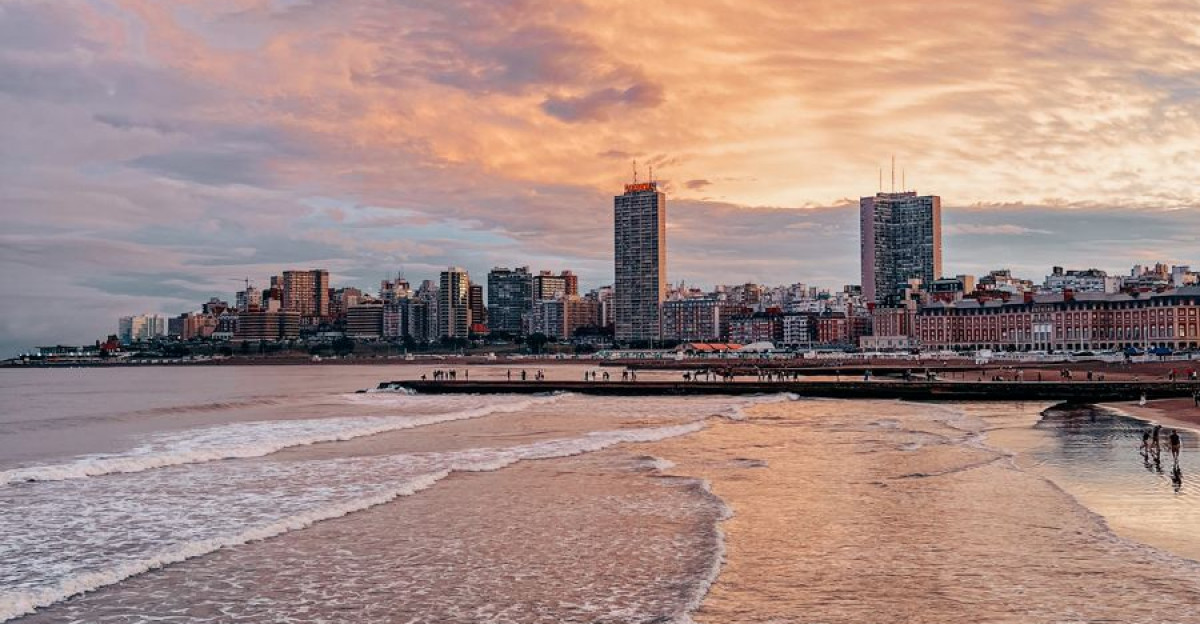
Mar del Plata, a beach city about 250 miles from Buenos Aires, turned out to be an unlikely Nazi refuge. After WWII, Argentina quietly admitted thousands of Nazi fugitives via secret “ratlines.” Friedrich Kadgien, Göring’s former art adviser, settled in Argentina and died in Buenos Aires in 1978.
His two daughters inherited several Mar del Plata homes.
Investigators now suspect those properties may hold more stolen art. In effect, a tranquil seaside community became the hiding place of wartime plunder – a hidden chapter only now coming to light.
Human Story
Even seasoned investigators were taken aback. Dutch reporters Pieter Schouten and Cyril Rosman were reviewing images when they recognized the portrait. “We were scrolling… then suddenly I said, ‘Look, isn’t that the painting?’” Schouten recalled.
Rosman echoed the disbelief: “It was surreal” to find it on screen.
For all involved, it was a surreal twist of fate – the treasure they had sought was literally on-screen, hiding in plain sight on a property website. Their astonishment underscores how chance and diligence broke open a nearly forgotten case.
Argentina’s Nazi Network

Argentina’s postwar history is notorious. Analysts estimate up to 10,000 Nazi officials and collaborators fled to South America after WWII. Among them were infamous figures like Adolf Eichmann and Josef Mengele, who lived undercover in Buenos Aires for years.
Declassified Argentine documents now shed light on how they hid.
Eichmann, for example, took a job at a Mercedes-Benz plant, and secret banking files reveal how stolen Nazi wealth, including art, flowed through Argentinian channels. These networks – once buried in secrecy – are only now being fully exposed.
Systematic Plunder
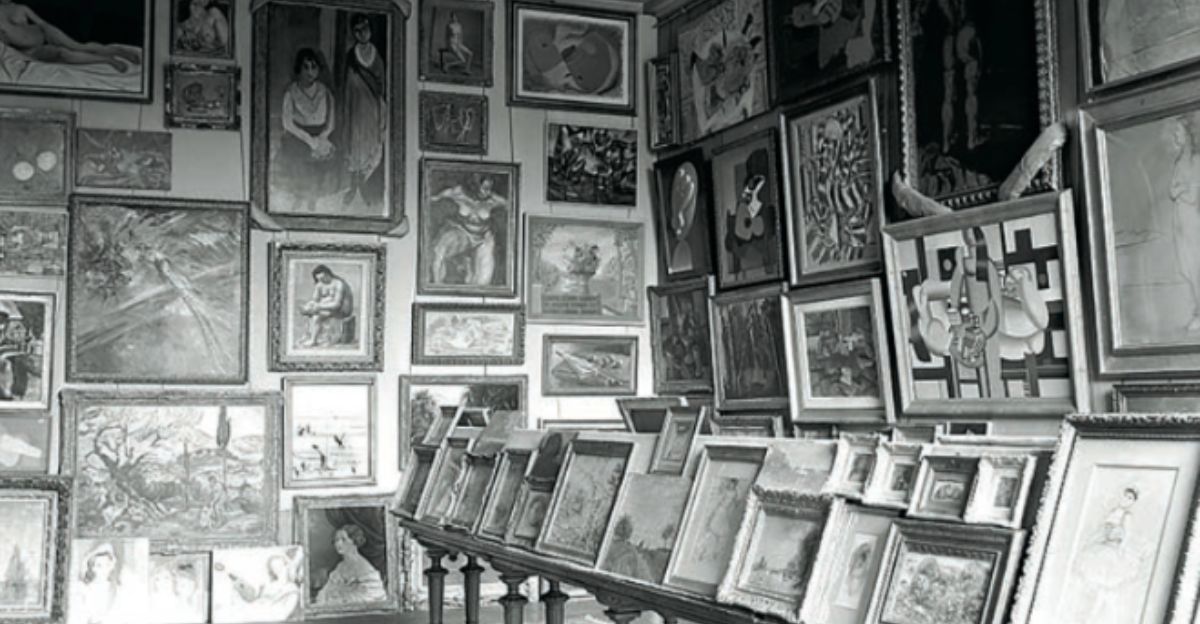
The Nazis pursued art theft as official policy. The Einsatzstab Reichsleiter Rosenberg (ERR) was set up to loot Europe’s cultural treasures. Its teams painstakingly cataloged and packed spoils at depots like the Jeu de Paume museum in Paris.
French records reveal the ERR confiscated 21,903 objects from just 203 private collections in 1944 – for example, over 5,000 items from the Rothschilds.
Overall, scholars estimate that Hitler’s forces seized roughly 20% of Europe’s prewar art. Vast libraries, museums, and family collections were swept up. Each returned piece is a restoration of a stolen heritage.
Charges of Obstruction
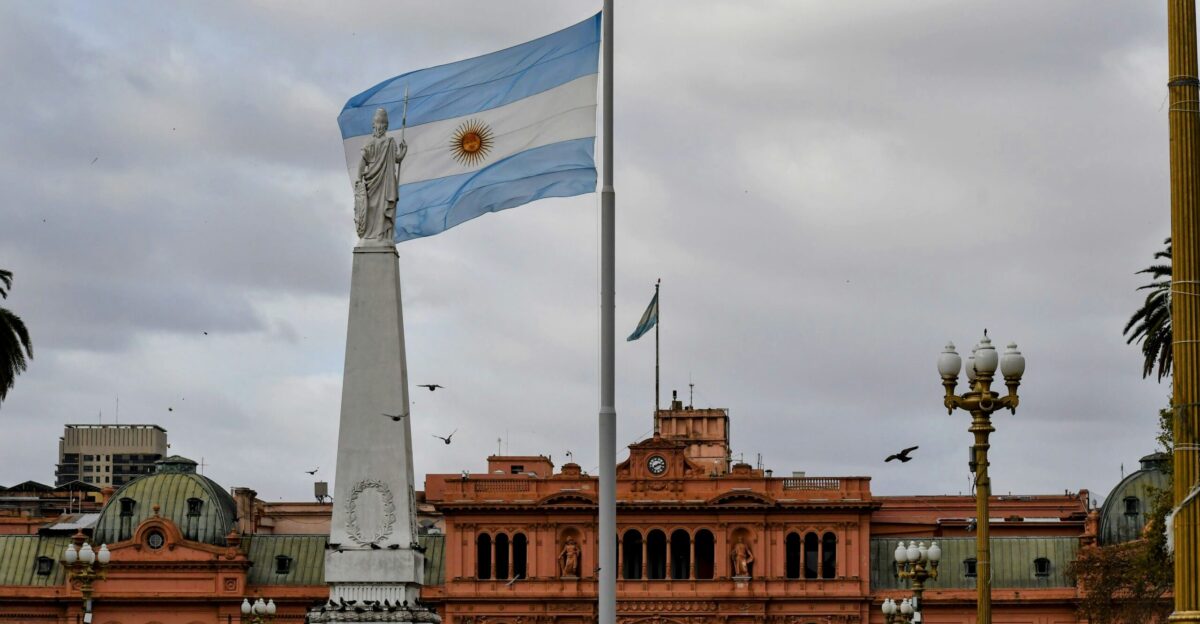
On Sept. 2, 2025, Argentine authorities took action. Patricia Kadgien, daughter of Friedrich Kadgien, and her husband were placed under house arrest, charged with “concealment of theft in the context of genocide”.
Prosecutors allege the couple hid the portrait after it appeared online. When police searched Patricia’s Mar del Plata home, the canvas was gone – in its place hung a horse-themed tapestry.
They also searched four linked properties but found only two unrelated 19th-century paintings, which are now being examined. The Kadgiens deny wrongdoing; their fate will be decided in court.
Family Tensions
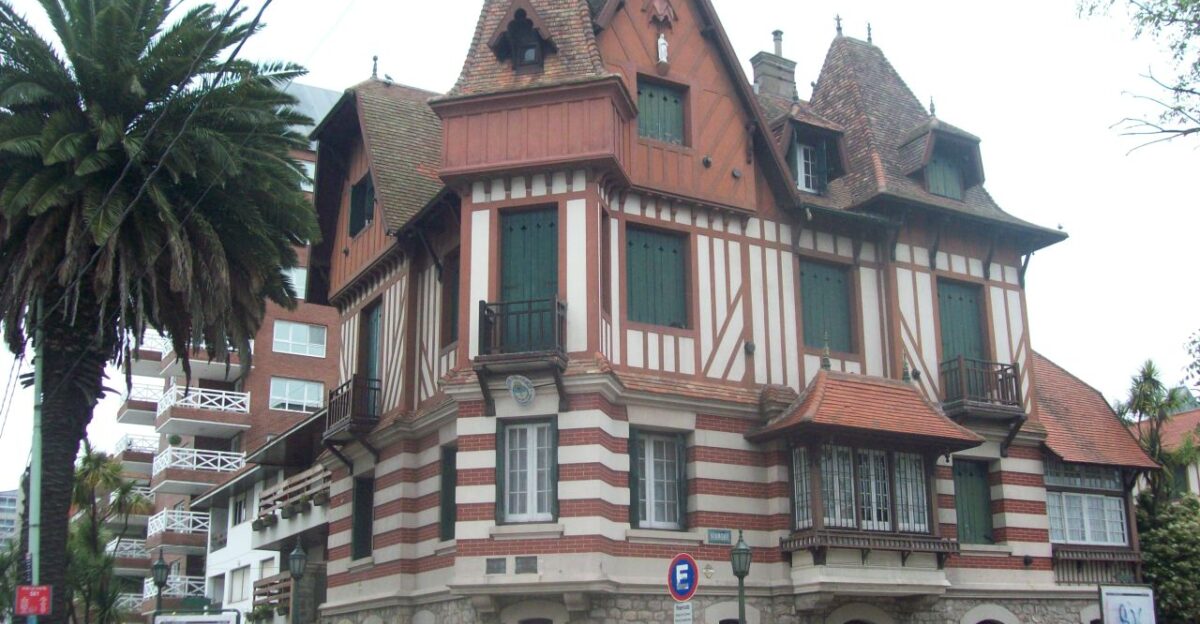
The saga exposed family strife. Kadgien’s daughters insist they inherited the portrait legally. But the media attention complicated matters. The online listing for their Mar del Plata villa (asking about $265,000) vanished hours after Dutch journalists published the tip.
Inside the home, officers found only empty wall hooks and a tapestry – clear clues that the painting was hastily removed.
Meanwhile, Goudstikker’s heirs vowed to persevere. In the Dutch press, Marei von Saher’s team reiterated: “My family aims to bring back every single artwork” stolen from Jacques’ collection.
Shift in Ownership
After the war, Goudstikker’s widow and heirs spent decades seeking justice. Finally, in 2006, the Dutch government formally returned 202 of its looted paintings to the family.
In 2007, the heirs sold many of these at auction – raising nearly $10 million to fund further searches.
However, most of the collection was still unrecovered. Dozens more works remained missing, including the Ghislandi portrait. This new discovery thus fills another gap from the 1,100+ painting trove taken from Goudstikker’s gallery.
Persevering Heirs

Leading the recovery effort is Marei von Saher, Goudstikker’s daughter-in-law. Now 81, von Saher has devoted her life to this quest. “My search for the artworks owned by my father-in-law… started at the end of the ’90s and I won’t give up,” she told Dutch media.
Armed with Goudstikker’s meticulous inventory notes, she and her legal team have traced missing pieces around the globe.
Argentine prosecutors note she even filed a formal restitution claim with the FBI in New York for this painting. To von Saher, each recovered artwork is about justice, not profit.
Expert Authentication
Even before agents seized the canvas, specialists confirmed its identity. Experts from the Netherlands Cultural Heritage Agency compared listing photos to archives. They noted Galgario’s signature details: the countess’s ink-black coiffure, embroidered silk gown, and gilded Rococo frame all matched the WWII catalog of Goudstikker’s collection.
“Although we have not physically examined it… it is reasonably likely that this is indeed the 18th-century portrait of Countess Colleoni by Ghislandi,” the agency concluded.
With that expert opinion in hand, Argentine authorities treated the portrait as genuine Nazi loot.
Wrapping Up

Prosecutors confirm the heirs have filed paperwork – Marei von Saher lodged an official claim with the FBI’s New York office. The canvas is now under court control. A judge ordered it remain at the Buenos Aires Holocaust Museum while the case proceeds.
Observers warn the legal battle may take years. The key question: will Argentina honor international restitution principles or set new hurdles? How its courts rule here could influence similar claims worldwide.
This outcome will be closely watched by other countries dealing with Holocaust-era art claims.
Political Implications

Argentina itself is reexamining its Nazi-era past. In 2025 President Javier Milei directed the declassification of nearly 1,850 files on Nazi fugitives in Argentina.
The Simon Wiesenthal Center praised the move, and the records – now in the national archives – include visa lists, Swiss bank ledgers and police reports on escape routes.
Officials say this unprecedented transparency should help trace other stolen works. By illuminating who entered the country and when, Argentina is signaling a break from past silence.
International Ripples

Europe is also tightening restitution. In 2024 Germany passed a law requiring its museums to accept binding arbitration in Holocaust-era art disputes.
The change was hailed by survivor groups as a “significant first step” toward justice.
Some observers say this could inspire other nations to adopt firmer measures. Argentina’s handling of the Contessa Colleoni case could become a de facto test: with no comprehensive Holocaust restitution law of its own, how Buenos Aires’ courts decide might set a benchmark for others grappling with decades-old claims.
Global Law Enforcement

Modern law enforcement has new tools to chase Nazi loot. In the U.S., any stolen cultural object over 100 years old and valued above $5,000 automatically falls under FBI jurisdiction.
Since its creation in 2004, the FBI’s Art Crime Team has helped recover over 20,000 items worth more than $1 billion.
This case showcases those capabilities: Dutch researchers used online archives and even a 3D home tour to identify the portrait, then Interpol and international police coordinated the raids. In today’s digital age, even an 80-year-old trail can be followed to its end.
Cultural Awakening
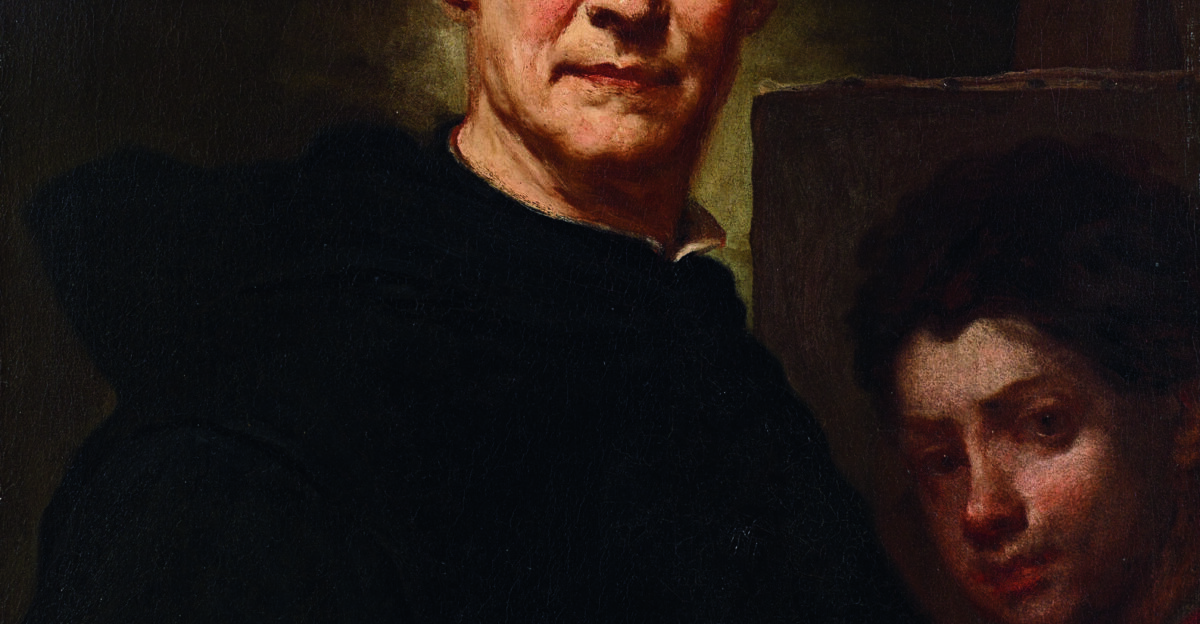
Giuseppe Vittore Ghislandi, who painted “Portrait of a Lady,” was an 18th-century Italian friar known as Fra’ Galgario (1655–1743). After joining a religious order in Rome, he became a renowned portraitist.
Art historians praise his fusion of styles: his work combines “the colourism and glamour of Venetian” painting with the realism of Northern Italy.
The recovered Countess Colleoni portrait exemplifies this Venetian-Milanese blend. Beyond its monetary value, the painting symbolizes a lost cultural memory – it once hung in a Jewish art collection extinguished by the Holocaust.
Lasting Legacy
This saga has a legacy beyond a single painting. It proves that Nazi-looted art can still surface, even 80 years on, defying assumptions about what was gone forever.
For the Goudstikker heirs, the recovery is vindication: as one lawyer noted, repatriating these works “is about restoring justice”.
On a global stage, attitudes are shifting – even Germany now says it must “come to terms with this part of [history]”. Each artwork returned is a step toward closure for the families still seeking what was stolen.