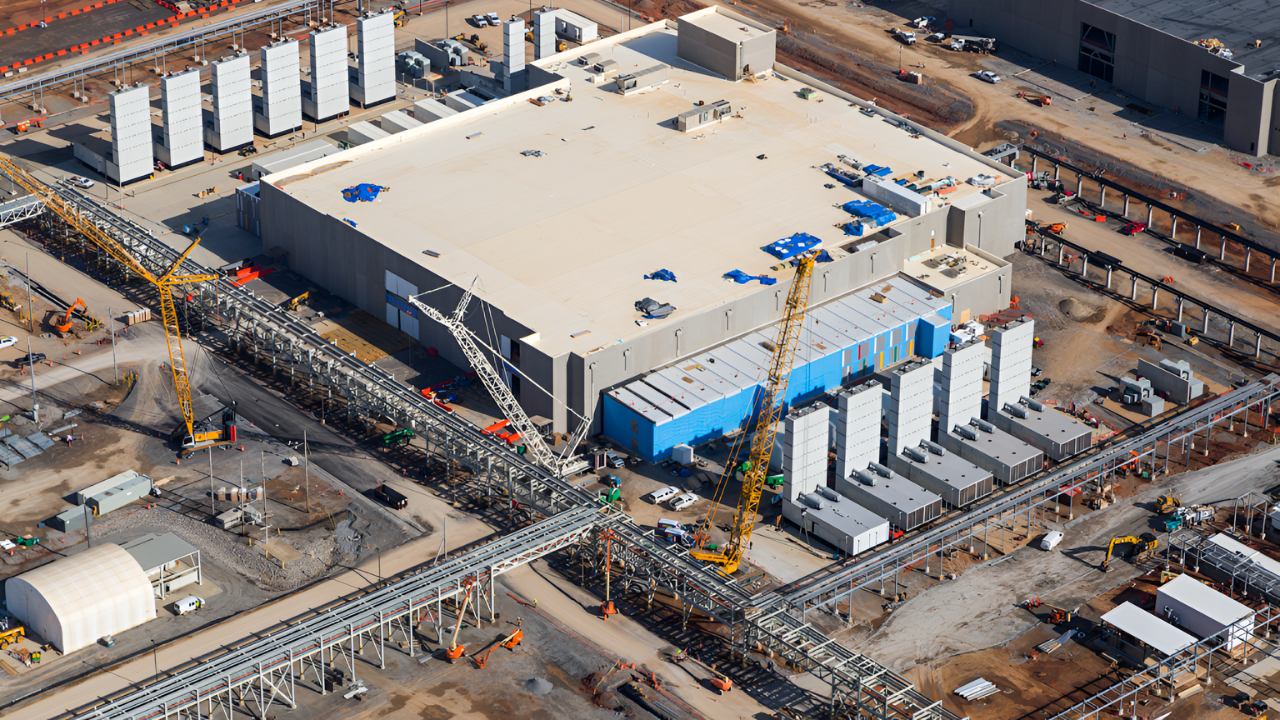
Across the U.S., more than 5,400 data centers power everything from Netflix streams to AI tools. But as they multiply, so do the questions about their impact.
Communities are beginning to wonder what happens when the quiet hum of servers turns into a public health issue. Policymakers, too, are asking whether the digital boom can continue without pushing the limits of local power grids and clean air.
The Human Cost of a Digital World
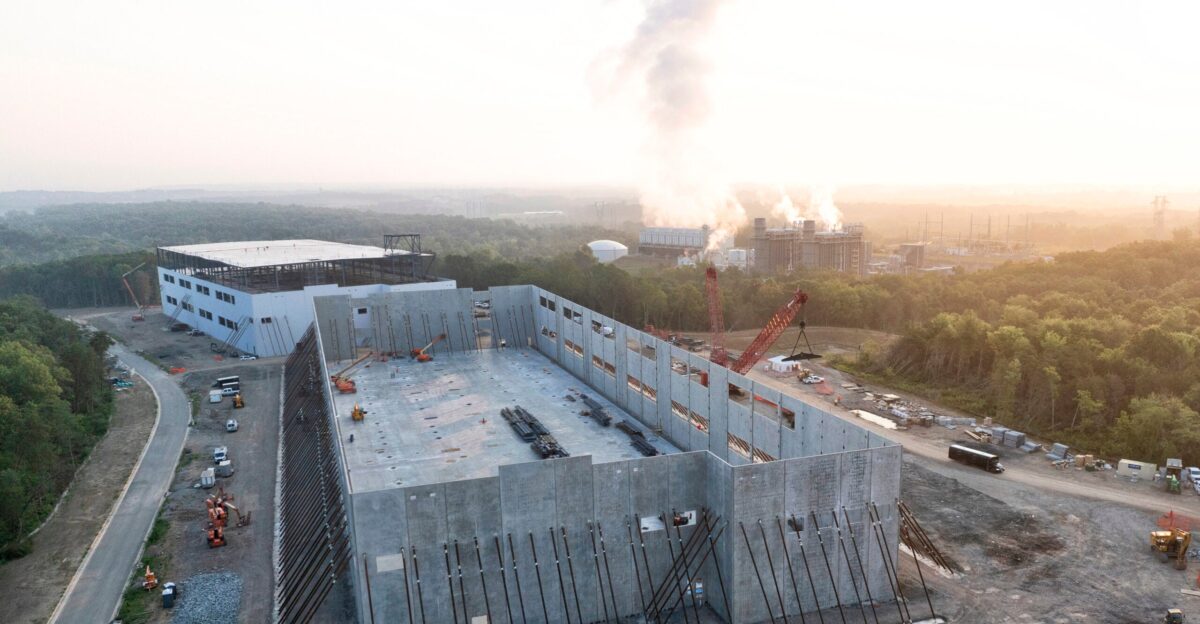
Researchers from UC Riverside and Caltech warn that pollution from these centers could cause 1,300 premature deaths annually by 2030. Their emissions drift far beyond city lines, touching millions of lives.
The economic price tag could reach $20 billion a year. What began as a technological success story is quickly becoming a health and environmental reckoning that few outside the industry saw coming.
America’s Digital Backbone and Burden

Data centers are the beating heart of the digital economy. They keep businesses, hospitals, and homes connected. The U.S. leads the world in both capacity and concentration, housing over 5,400 facilities. But that dominance carries a cost.
Every upload and AI query draws power, pushing utilities, communities, and ecosystems to adapt faster than they ever imagined. The convenience of connectivity now comes with a shadow most people never see.
When Power Demand Outpaces Progress
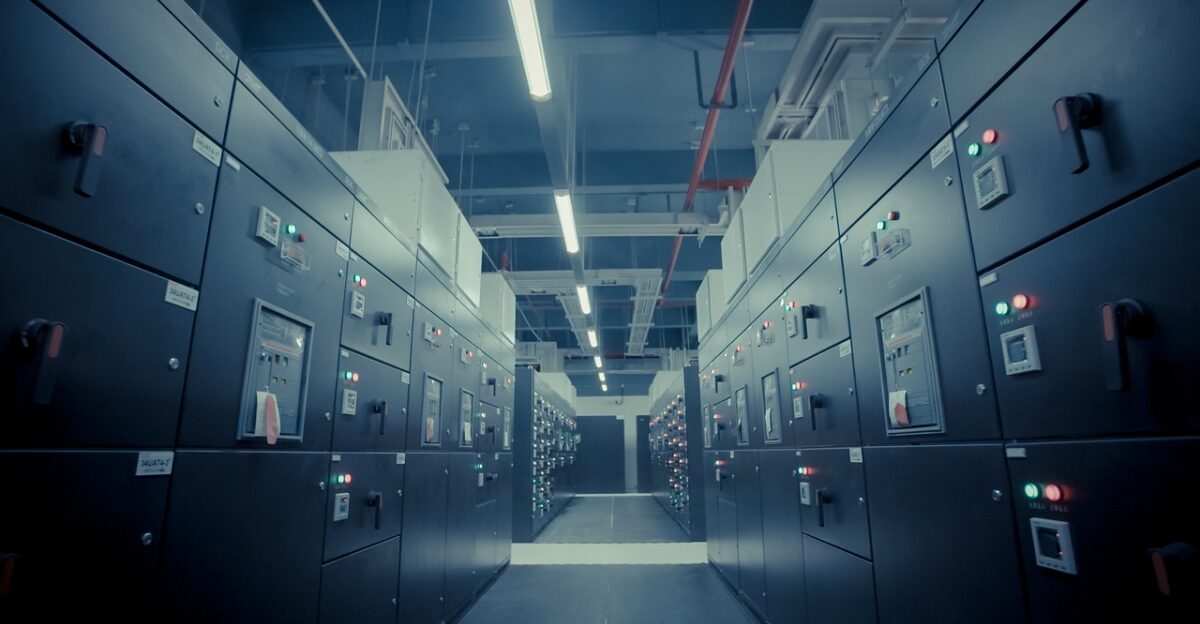
Since 2017, data center electricity use has grown roughly 12% each year. They now consume around 4% of U.S. power, which is expected to hit 7–12% by 2028. By 2030, that figure could double again. According to the International Energy Agency, local grids are straining to meet this pace.
Some regions have even paused new construction, unsure whether their infrastructure can handle the next wave of AI-driven demand.
Researchers Quantify the Toll
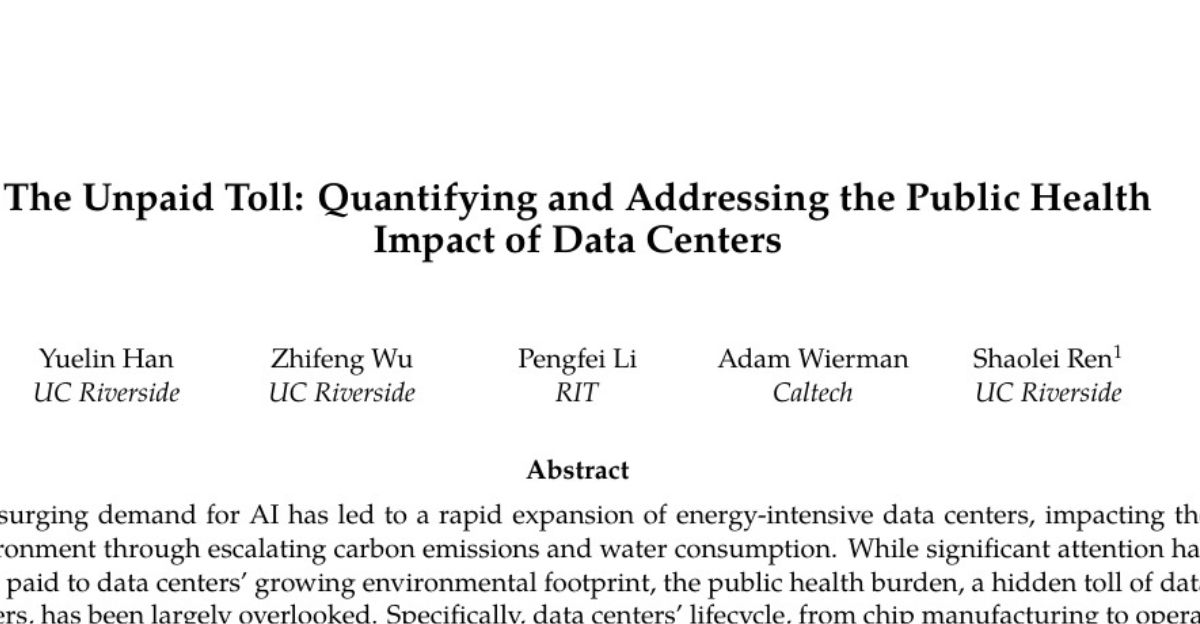
In late 2024, UC Riverside’s Shaolei Ren and Caltech’s Adam Wierman released The Unpaid Toll: Quantifying the Public Health Impact of AI. Their work measured the pollution tied to data centers and translated it into human and economic terms.
It was a wake-up call. For the first time, the hidden costs of cloud computing had a number and faces attached to it.
Where the Problem Hits Hardest
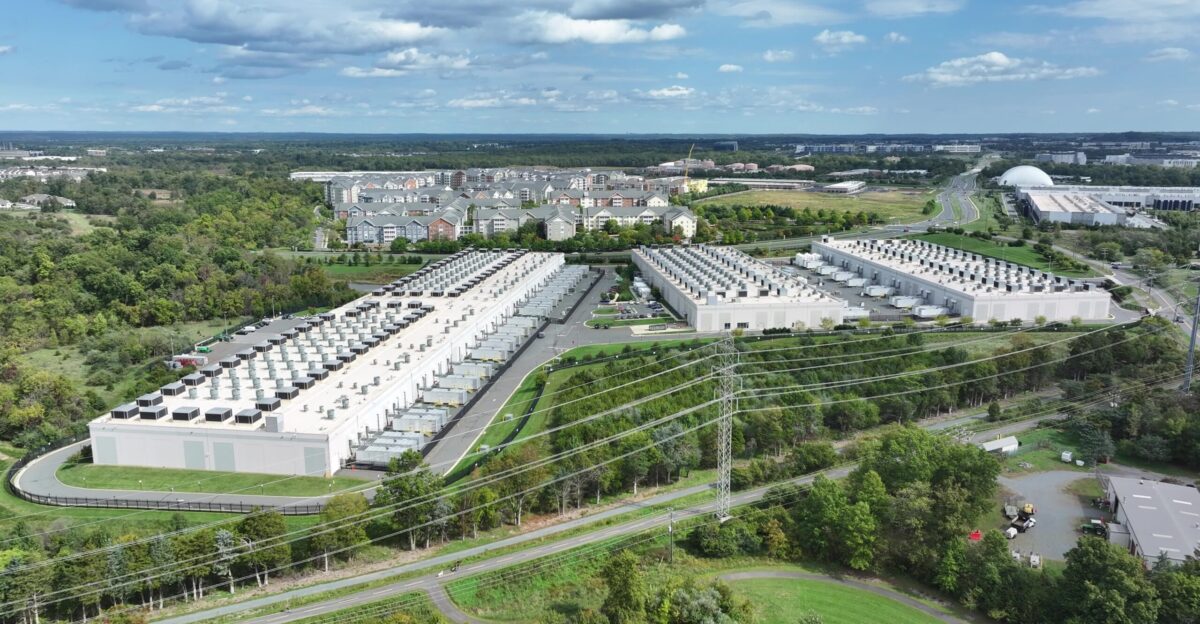
Nowhere is the boom more concentrated than in Northern Virginia’s “Data Center Alley.” In 2023, the region used 26% of Virginia’s electricity. Backup diesel generators there release emissions that drift into nearby states like Maryland and Pennsylvania.
UC Riverside researchers estimate the regional health burden at up to $260 million a year. California and New York face their own surges, each home to hundreds of these energy-hungry hubs.
Communities on the Front Line

People living near data centers feel the impact first. Air pollution, noise, and water stress are constant companions. UC Riverside and Caltech researchers say disadvantaged neighborhoods bear the greatest burden—up to 200 times higher than wealthier areas.
“If you have family members with asthma or other health issues,” says Professor Shaolei Ren, “the air pollution from these data centers could already be affecting them.”
Tech Giants Feel the Pressure
Companies like Google, Meta, and Microsoft are racing to curb their environmental footprint. Google says it cut emissions intensity by 12% in 2024, even as its total energy use jumped 27%. Clean energy projects are expanding, but the math is unforgiving.
The faster AI grows, the faster power demand climbs, often outpacing every efficiency gain the industry achieves.
Global Energy Demand Surges
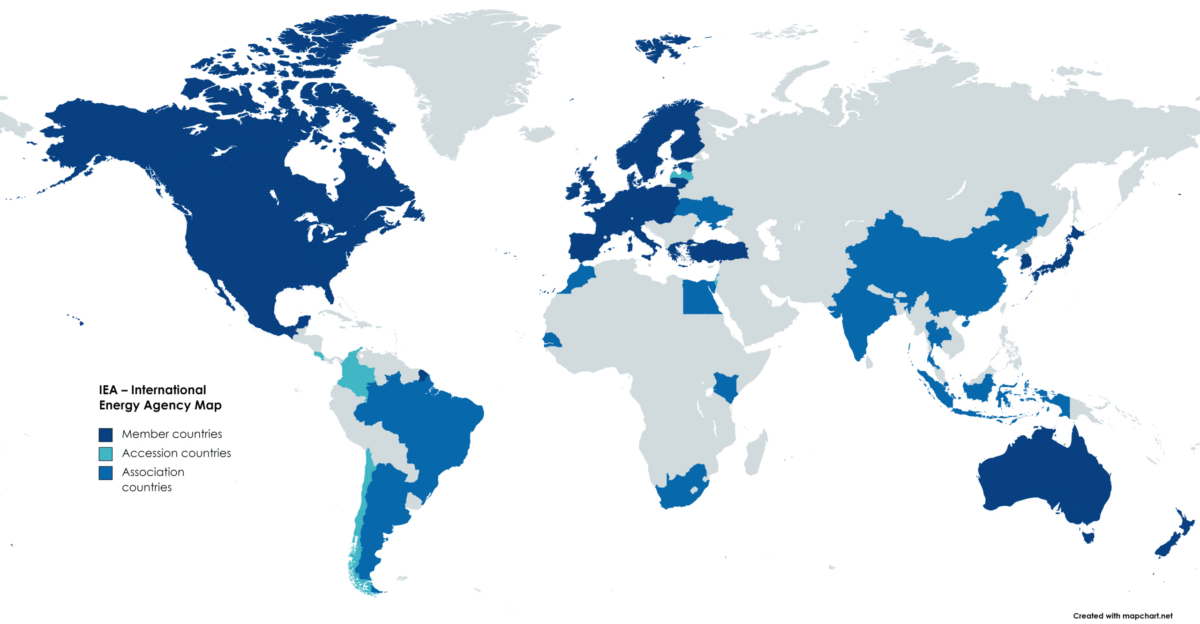
The International Energy Agency reports that data centers and transmission networks account for roughly 1% of global electricity use. The U.S. alone consumes about 45% of that total, followed by China and Europe.
If current trends hold, global demand could double by 2030—nearly matching Japan’s entire energy consumption. The digital economy, it seems, is growing faster than the power systems that sustain it.
Draining Water to Cool the Cloud

The energy story is only half of it. Large data centers can use up to 5 million gallons of water daily to stay cool—the same as a small city. In 2024, Google reported using 8.1 billion gallons across its facilities.
Environmental groups say the strain is especially alarming in drought-prone regions like Arizona and California, where every drop counts.
The Constant Hum of Disruption

Residents near data centers say the noise is relentless, often louder than 80 decibels, similar to heavy traffic. Over time, exposure can lead to sleep problems, stress, and heart issues.
Local groups are calling for stronger regulations and better soundproofing. For them, the hum of the digital age isn’t progress—it’s a constant reminder of what it costs to stay connected.
An Industry Rethinks Its Role
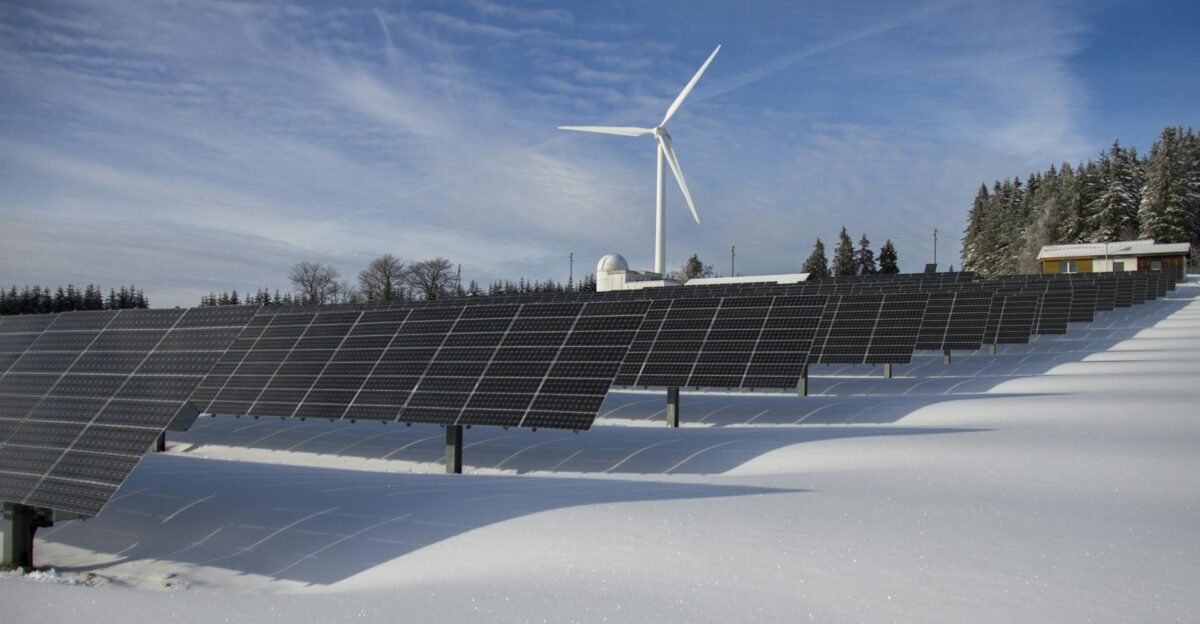
Faced with scrutiny, operators are adjusting course. Many are investing in renewable energy, advanced cooling methods, and water-restoration projects.
Google has pledged to replenish 120% of the freshwater it uses by 2030. Others are following suit, signaling a shift toward accountability. The industry is learning that sustainability isn’t just good optics—it’s a survival strategy for long-term growth.
Innovating for Cleaner Power
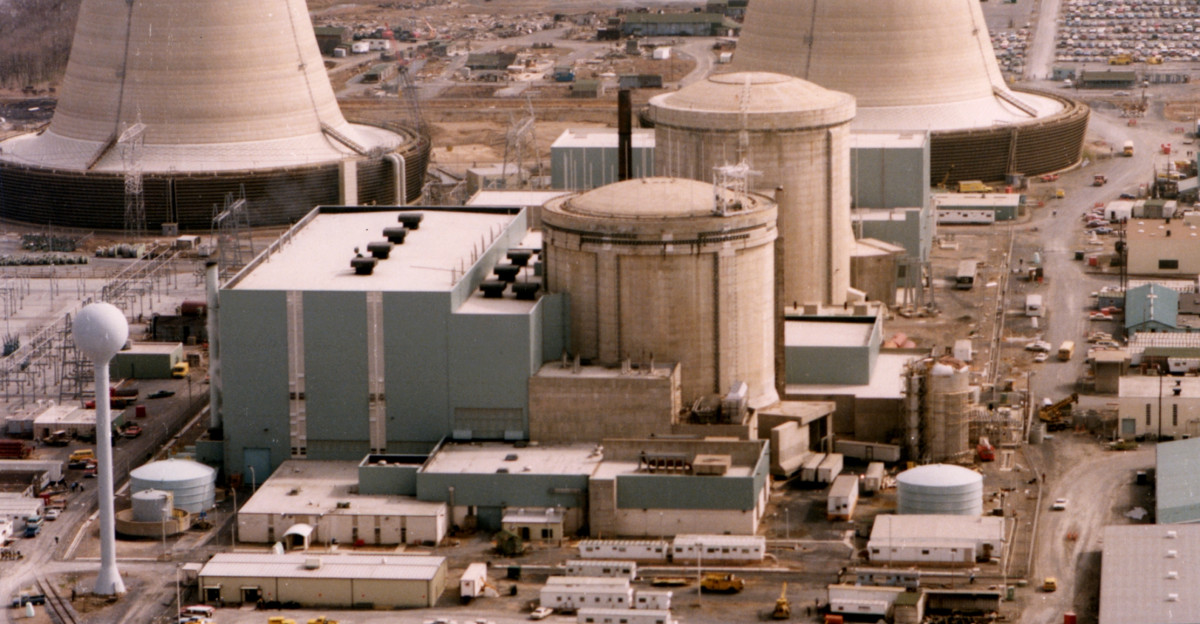
To ease grid strain, companies are experimenting with “carbon-intelligent” computing, which runs tasks when cleaner energy is available. Some are exploring nuclear and geothermal power. Microsoft’s deal to restart the Three Mile Island reactor highlights how serious the search has become.
It’s a high-tech balancing act: fueling innovation without deepening the planet’s energy debt.
Warnings From Experts

Despite progress, experts warn of looming trade-offs. The International Energy Agency predicts that data centers could drive nearly half of the U.S.’s electricity growth by 2030.
One study notes that AI’s soaring energy needs “run counter to the efficiency gains needed for net-zero goals.” The faster technology evolves, the harder it becomes to align progress with climate commitments.
Can Growth and Green Coexist?
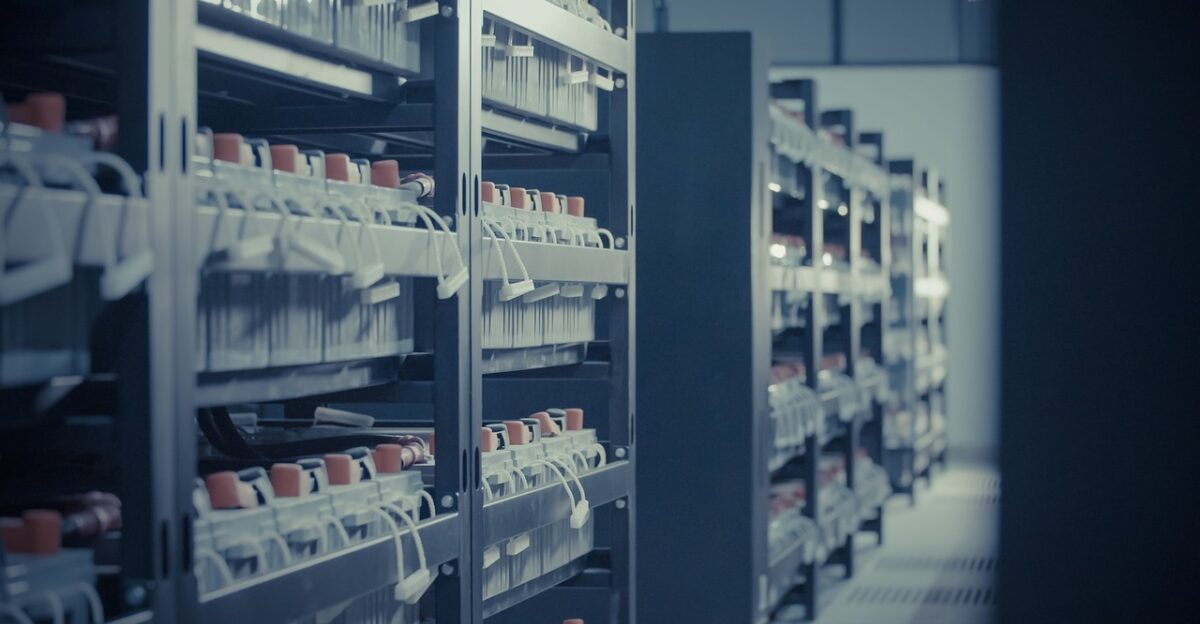
The question now isn’t whether data centers will grow or not, but whether they can grow responsibly. Some policymakers believe cleaner energy and smarter design can bridge the gap.
Yet projections suggest AI data centers may quadruple their electricity use by 2030. For the first time, the sustainability of the digital revolution itself is under review.
Policy Pushback Gains Ground

States like California, Minnesota, and Virginia are taking action. Lawmakers are weighing moratoriums, renewable-energy mandates, and strict reporting rules. New proposals would require data centers to disclose their water and electricity use.
For many officials, it’s about balance, supporting economic innovation without leaving communities to absorb the environmental cost.
A Global Problem With Shared Consequences

The U.S. isn’t alone in this struggle. China accounted for a quarter of global data center power use in 2024, while Europe took 15%. In Ireland, where tech giants cluster, 21% of national electricity already powers data centers, a share expected to hit 32% by 2026.
Experts say international cooperation may be the only way to keep digital progress from overwhelming the planet’s resources.
Environmental Advocates Step In

Advocacy groups are now demanding accountability. The UC Riverside–Caltech team recommends requiring companies to disclose air pollution impacts and compensate affected communities.
Legal and policy campaigns are growing louder, urging regulators and corporations alike to confront the environmental costs hidden behind the promise of endless data storage.
A Shift in Public Awareness

Expectations are changing as more people learn about the trade-offs of digital life. The debate is no longer just about efficiency; it’s about fairness.
Studies show disadvantaged communities face far higher health risks than wealthier areas. The conversation is evolving into one of justice: who benefits, who pays, and who gets left breathing the smoke of progress.
Choosing the Future We Want
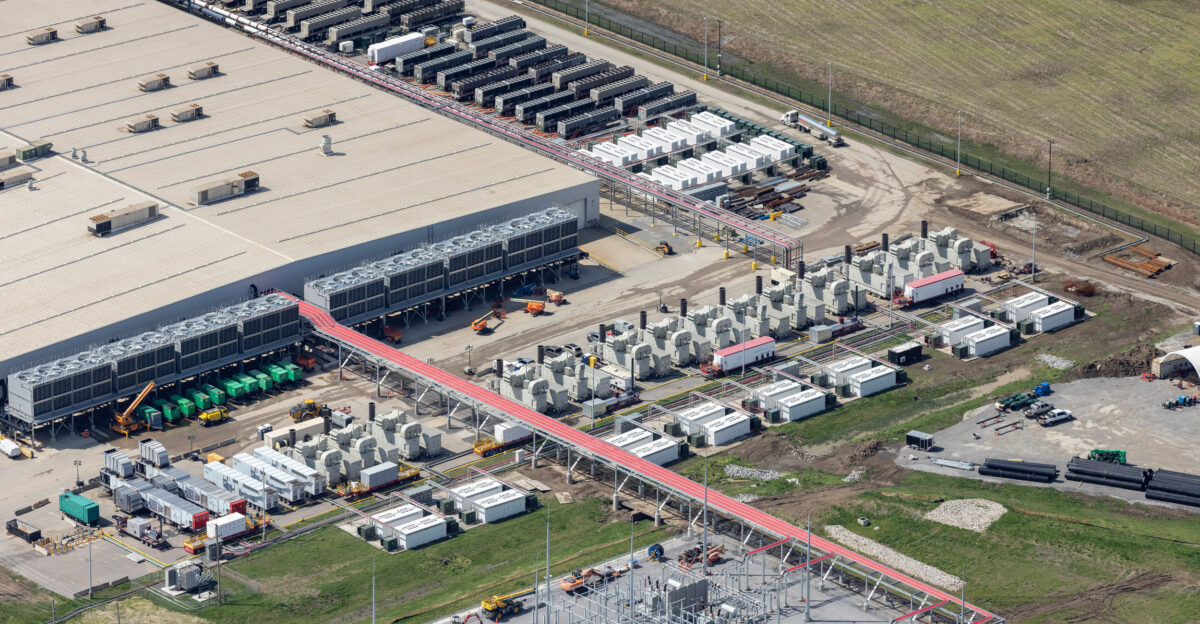
By 2028, researchers project 600,000 new asthma cases and 1,300 premature deaths each year linked to data center pollution. The digital age has brought connection and opportunity, but also consequences.
Society now stands at a crossroads. How we power our data today will shape not only technology’s future but also the health of the people who live alongside it tomorrow.