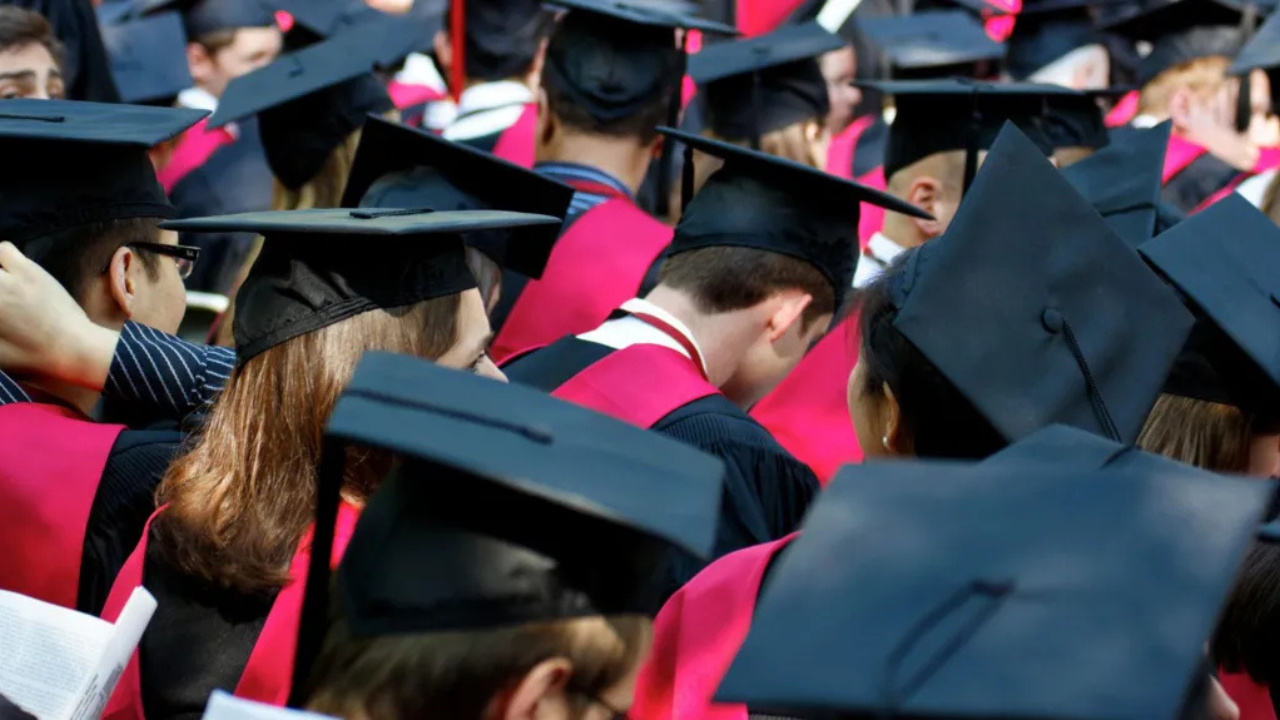
U.S. officials revoked more than 6,000 student visas this year, marking one of the most extensive crackdowns on F-1 visa holders during the Trump administration. Grounds for revocation have ranged from criminal convictions and national security concerns to minor infractions, including misdemeanor DUI charges and political activity such as pro-Palestinian protests.
“Students haven’t lost confidence in the quality of U.S. education. They’ve lost confidence in our administration’s commitment to international students,” said Fanta Aw, executive director and CEO of NAFSA.
NAFSA projects the decline could eliminate $7 billion in revenue and more than 60,000 jobs. How will campuses and local economies withstand this upheaval?
What’s Happening Right Now
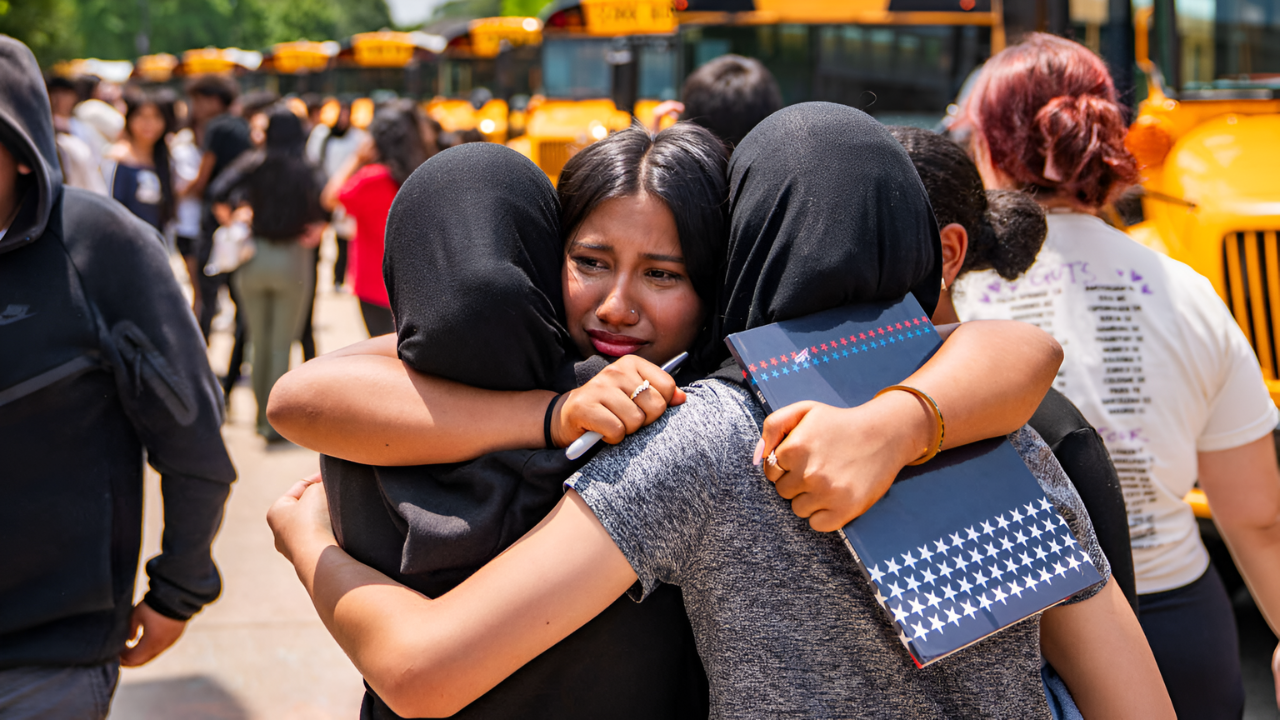
The State Department confirmed on August 18, 2025, that over 6,000 student visas were revoked—nearly four times last year’s figure. Most were tied to lawbreaking, while 200–300 involved alleged “support for terrorism” under the Immigration and Nationality Act.
Officials say it’s part of a broader security overhaul. But who’s being targeted most?
How It All Began
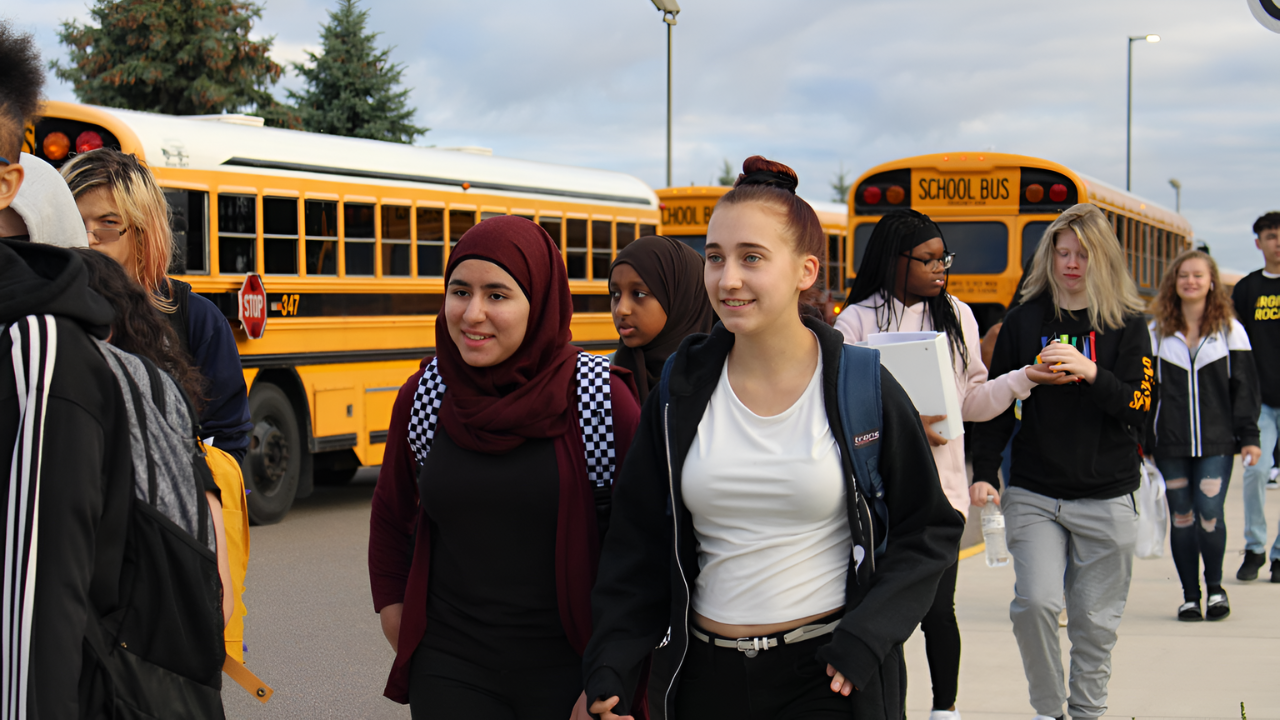
The crackdown traces back to May 27, when Secretary of State Marco Rubio paused all student visa interviews during peak enrollment season. The freeze lasted three weeks.
When interviews resumed in June, a new policy required applicants to make their social media public. That single change would upend everything that followed.
The Social Media Rule
A June 18 cable ordered officers to screen for “hostile attitudes” toward the U.S.—from government criticism to posts deemed antisemitic or supportive of terrorism. Applicants had five days to comply.
Those who refused saw applications denied outright. But could algorithms have mistaken political activism for national security threats?
Inside the Continuous Vetting System
By late August, the State Department expanded surveillance to 55 million visa holders, applying automated reviews to their online lives. Databases now combine travel, law enforcement, and digital activity to flag “risky” profiles.
Officials called it “labor-intensive.” Critics called it Orwellian.
A Case That Sparked Outrage
Tufts PhD student Rümeysa Öztürk was detained on March 25, 2025, by six masked ICE agents in Somerville, Massachusetts, as she left for an Iftar dinner. Her SEVIS record was terminated two hours later at 7:32 PM—without prior notice—citing the Immigration and Nationality Act §221(i).
Federal judges later intervened. Judge Denise Casper halted deportation to preserve jurisdiction, and on May 9, Judge William Sessions III ordered Öztürk’s release, citing substantial First Amendment and due process violations.
Why Rümeysa Öztürk’s Case Matters
Öztürk was among the first wave of visa revocations, detained after co-authoring a pro-Palestinian op-ed. Her case exposed the doxxing-to-deportation pipeline, triggered landmark First Amendment rulings, and embodies the “no constitutional right to a student visa” doctrine.
As a Fulbright scholar, she also represents the $7B economic and 60,000-job stakes, while humanizing the chilling effect on international enrollment.
The Numbers Tell a Different Story
Visa issuances dropped 22% in May 2025 compared to May 2024, with India and China hit hardest. In India, F-1 visas plunged 43.5% in the first half of the fiscal year.
Officials call it enforcement. Universities call it economic self-harm. And the fall enrollment figures suggest the pain is only starting.
The Economic Fallout
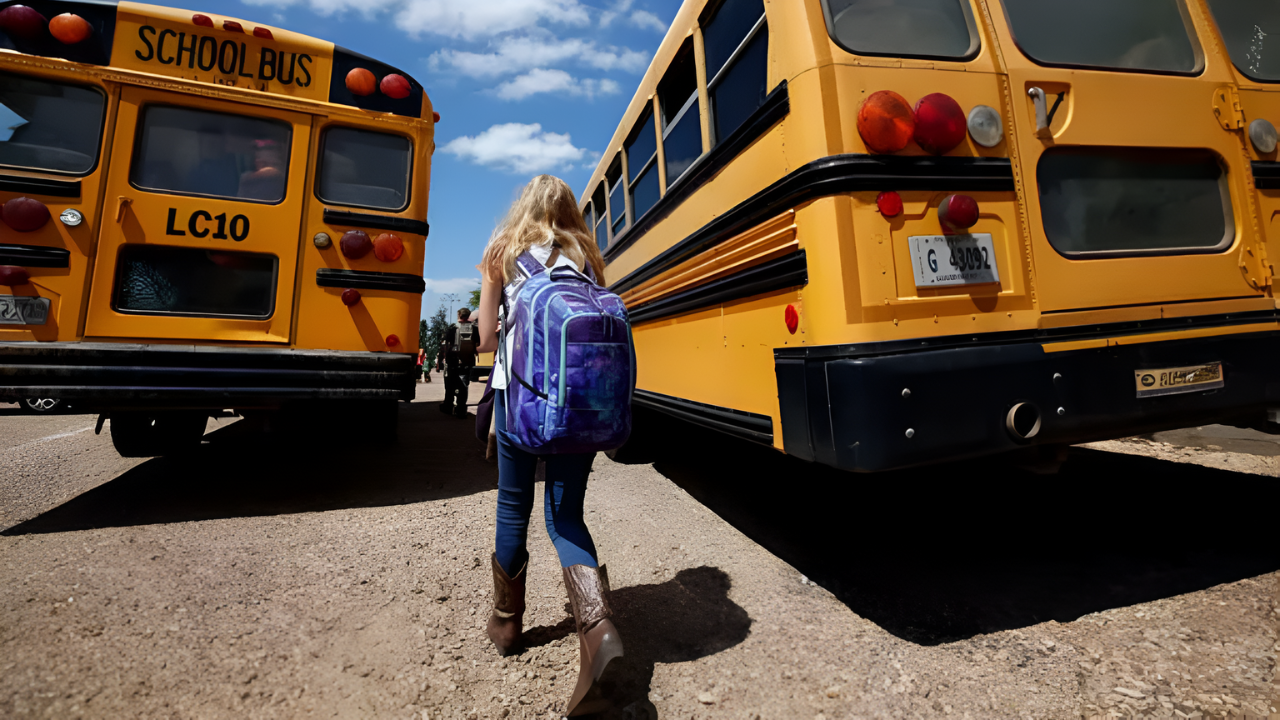
NAFSA warns that up to 150,000 fewer international students could arrive this fall. That translates to a $7 billion revenue loss and 60,000 jobs erased nationwide—from housing to dining to transportation.
Each missing student means about $46,000 less in local spending. But the financial squeeze extends far beyond small college towns.
Threat to Research and STEM Fields
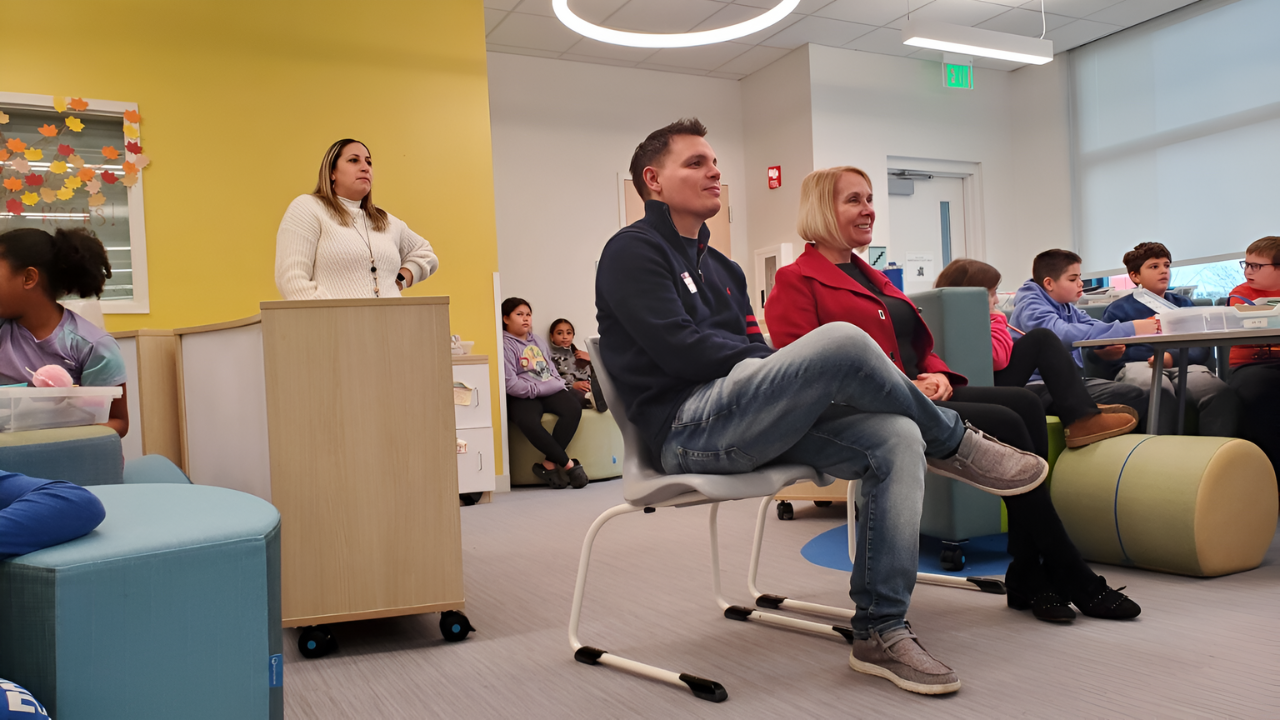
Over 500,000 international graduate students power U.S. labs and research programs. As visa losses mount, universities are freezing assistantships and delaying lab projects.
Some Fortune 500 companies have already voiced concern over shrinking STEM pipelines. Could America’s innovation edge be slipping because of a visa rule?
Hiring Freezes Hit Campuses
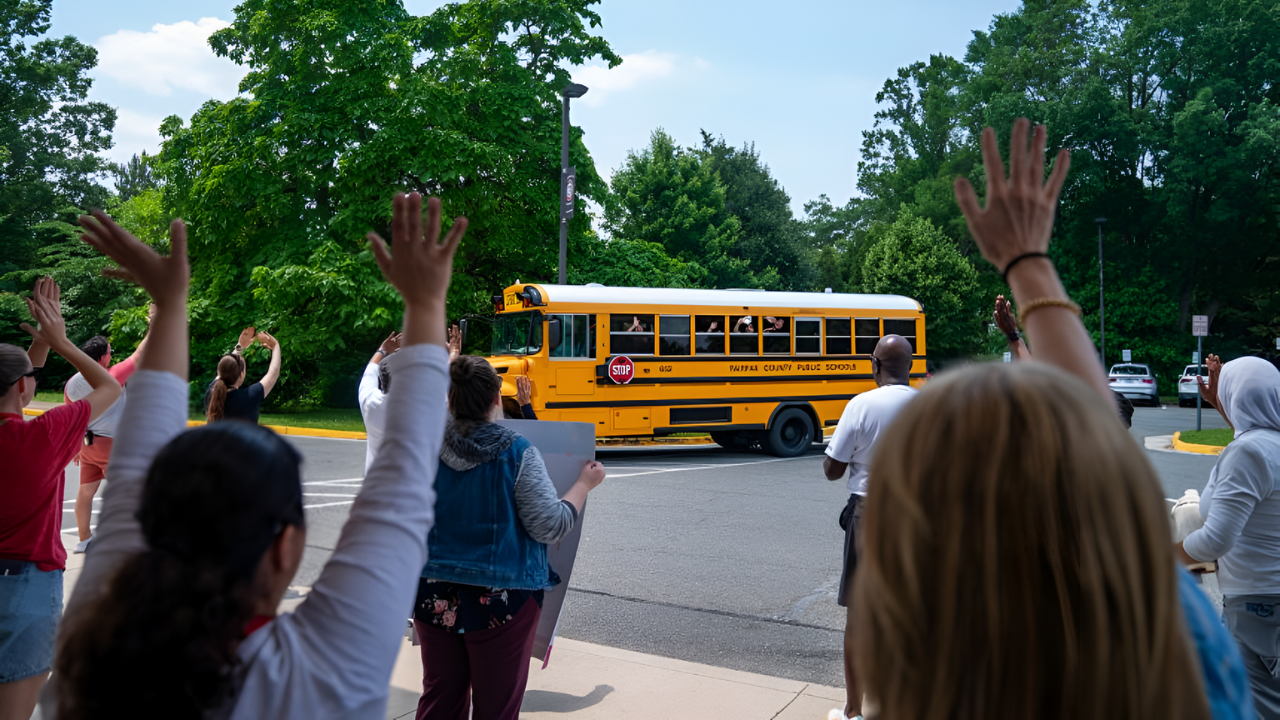
Financial strain is spreading. At least 12 universities—including Harvard, MIT, Johns Hopkins, and Columbia—have confirmed hiring or salary freezes. Johns Hopkins alone reports $850 million in lost federal research funding and halted raises for employees earning above $80,000.
Tuition hikes are widely expected but have not yet been officially announced.
Rubio’s Doctrine Explained
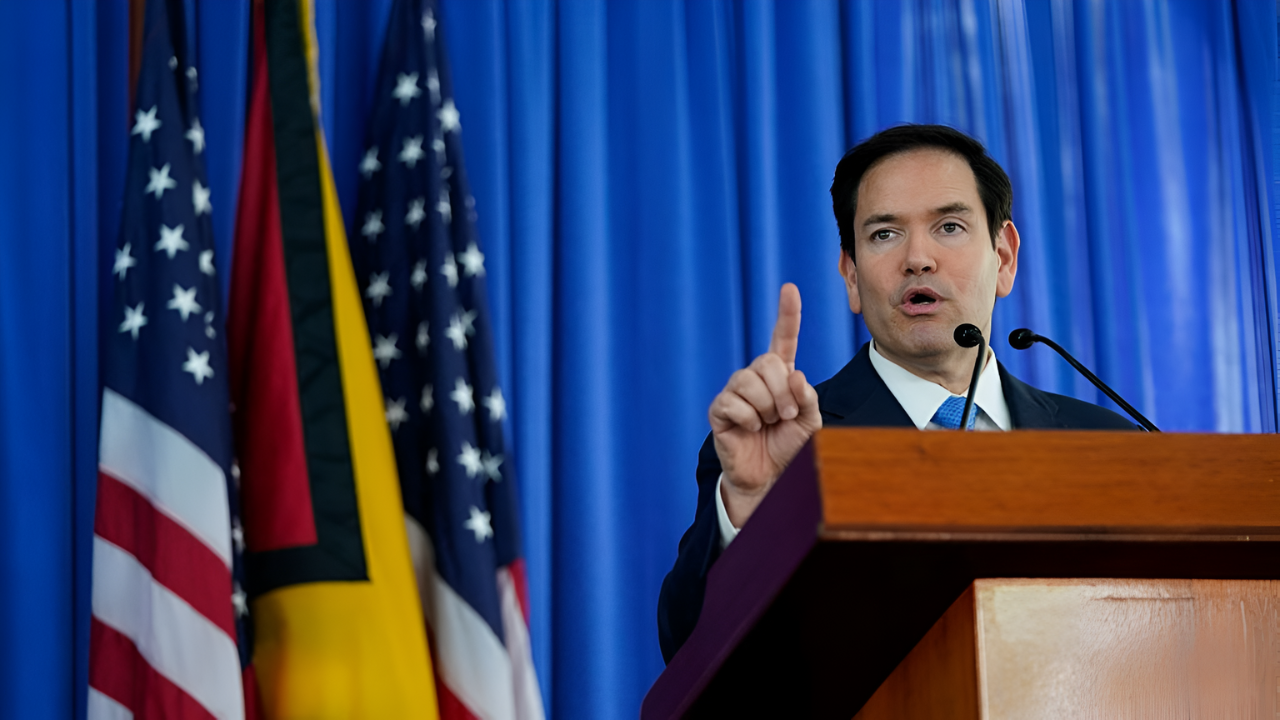
Secretary Marco Rubio defended the policy, saying, “There is no constitutional right to a student visa—why wouldn’t I be able to revoke your visa?”
His stance reframed the debate from education access to national sovereignty. But critics argue it weaponizes bureaucracy against free expression. So what does the law actually allow?
What the Law Allows
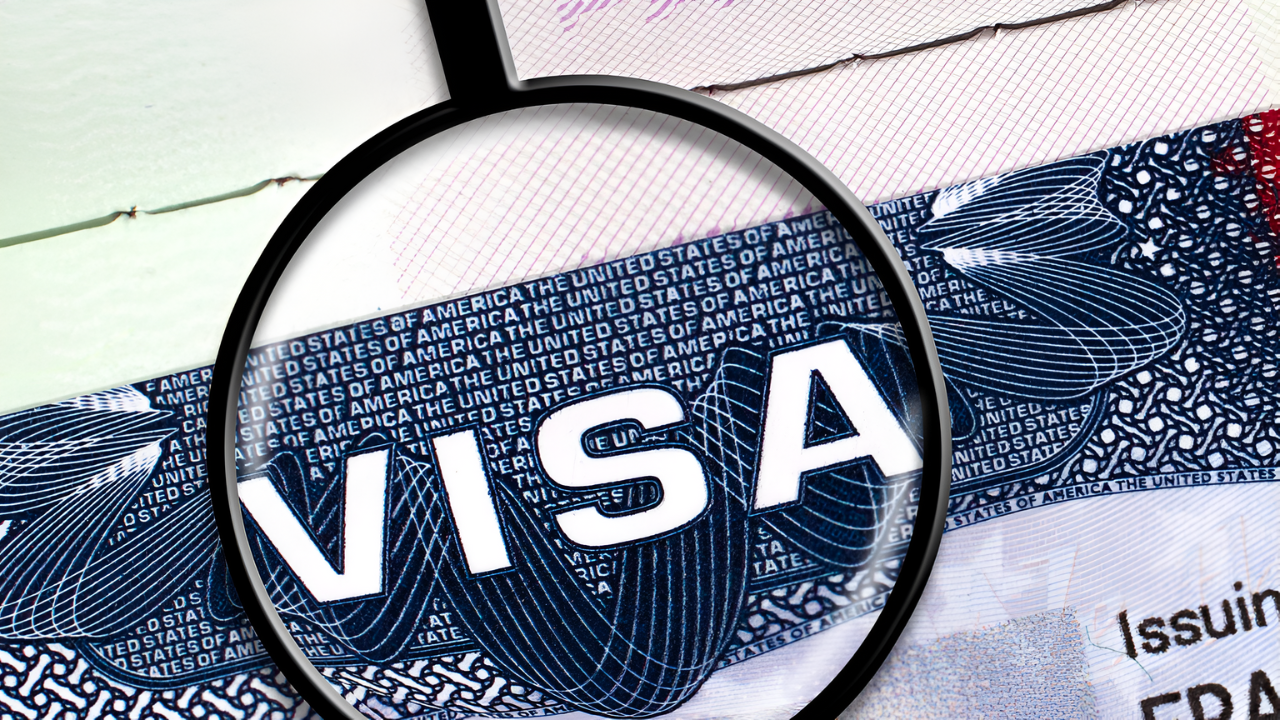
Under the Immigration and Nationality Act §221(i), the Secretary of State has broad power to revoke any visa at any time. Federal regulation 22 CFR §41.122 confirms this discretion, insulating decisions from routine appeal.
In 2024, the Supreme Court affirmed that visa revocations cannot be judicially reviewed, giving the administration sweeping control over student status.
Courts Begin to Push Back
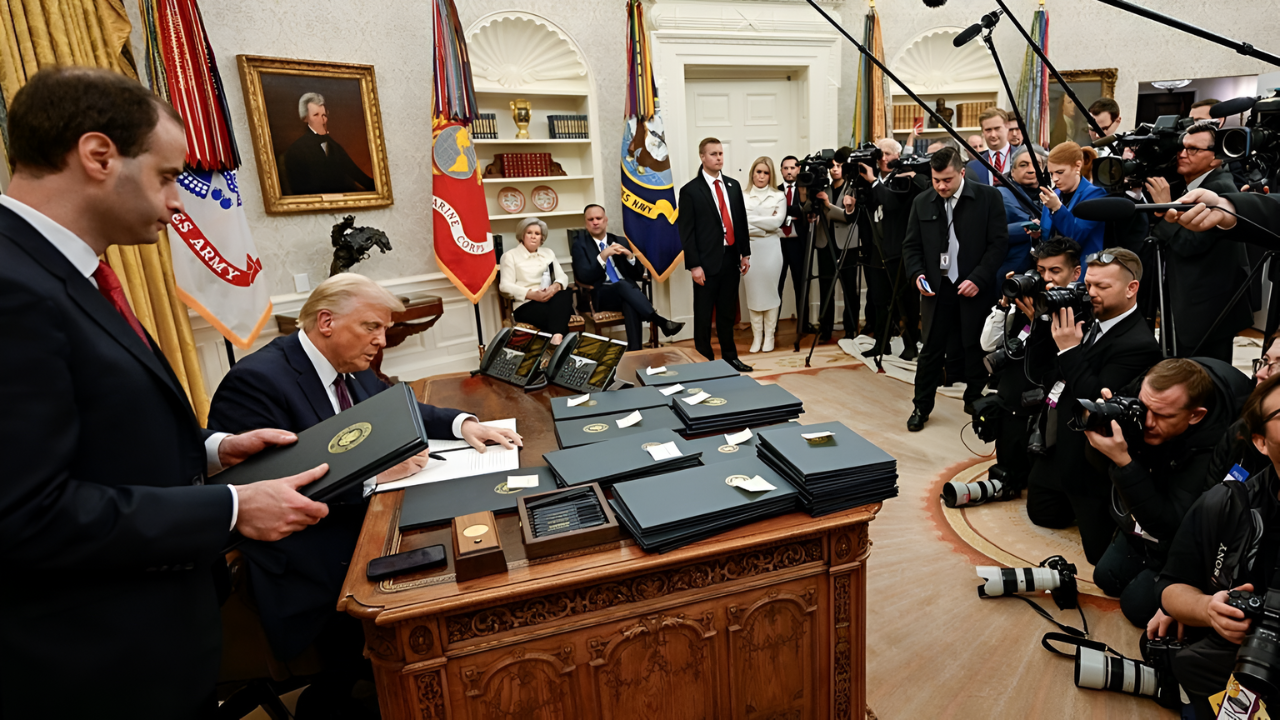
Despite the legal shield, judges are challenging how that power is used. On September 30, 2025, Judge William G. Young ruled that deporting foreign citizens for pro-Palestinian advocacy violated the First Amendment.
He wrote that “noncitizens lawfully present in the United States have the same free-speech rights.” Multiple lawsuits by FIRE, the ACLU, and universities are now testing those limits.
The “Loyalty Oath” Compact
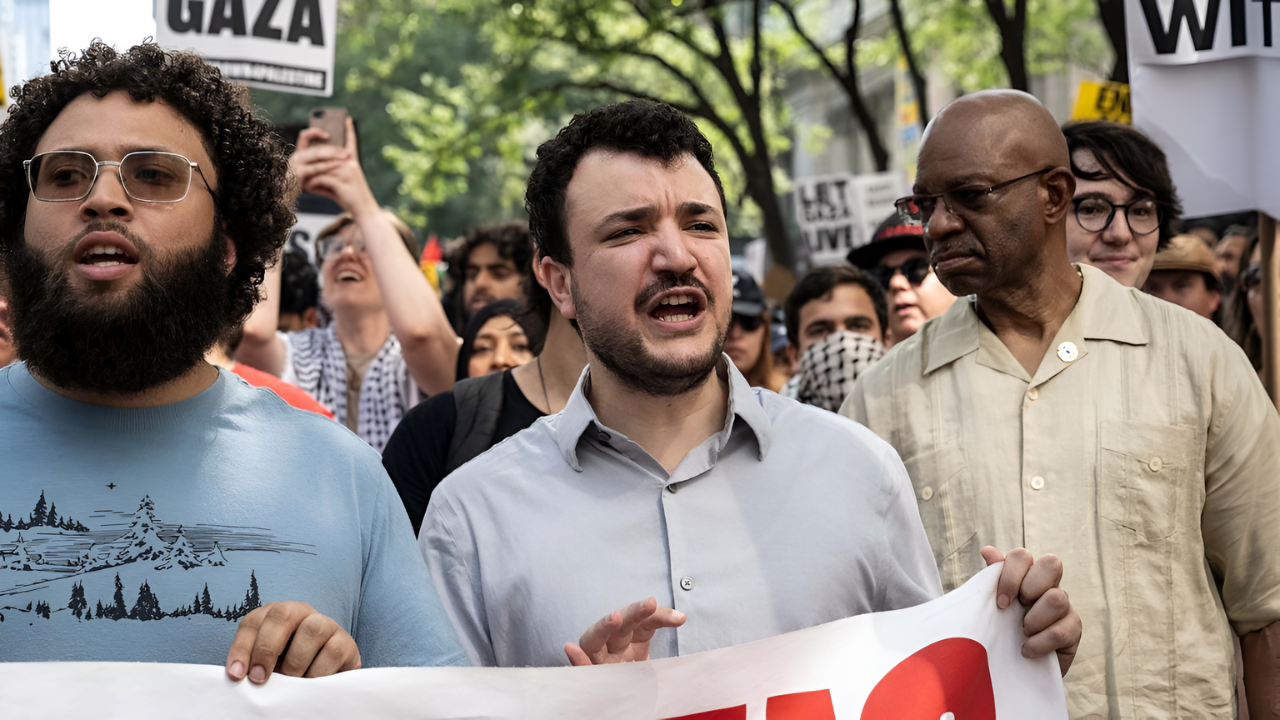
On October 1, the Trump administration unveiled its “Compact for Academic Excellence,” a ten-point agreement offering federal funding in exchange for restrictions on international enrollment and academic programs.
Nearly 1,000 campuses have rejected the proposal, arguing it threatens academic freedom. Not one major university has signed as the November 21 deadline approaches.
Analysts predict a $100 million legal fight ahead. The question now is whether the courts will draw a line between national security and political censorship.
States and Campuses Push Back
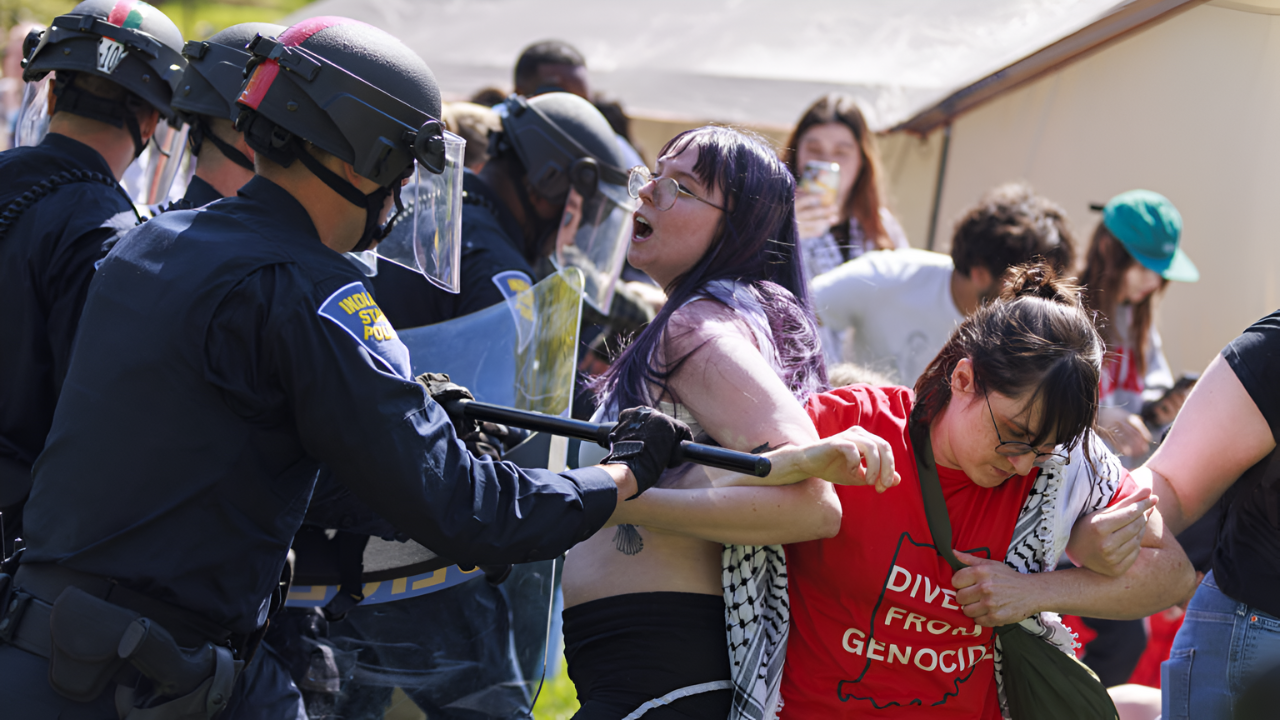
Governors and university leaders are uniting in resistance. California’s Gavin Newsom pledged to block any implementation of the compact, while the AACU issued a nationwide statement: “Academic freedom is not for sale.”
The wave of refusal reflects a rare moment of solidarity across political and institutional lines.
Diplomatic Strains, Not Retaliation
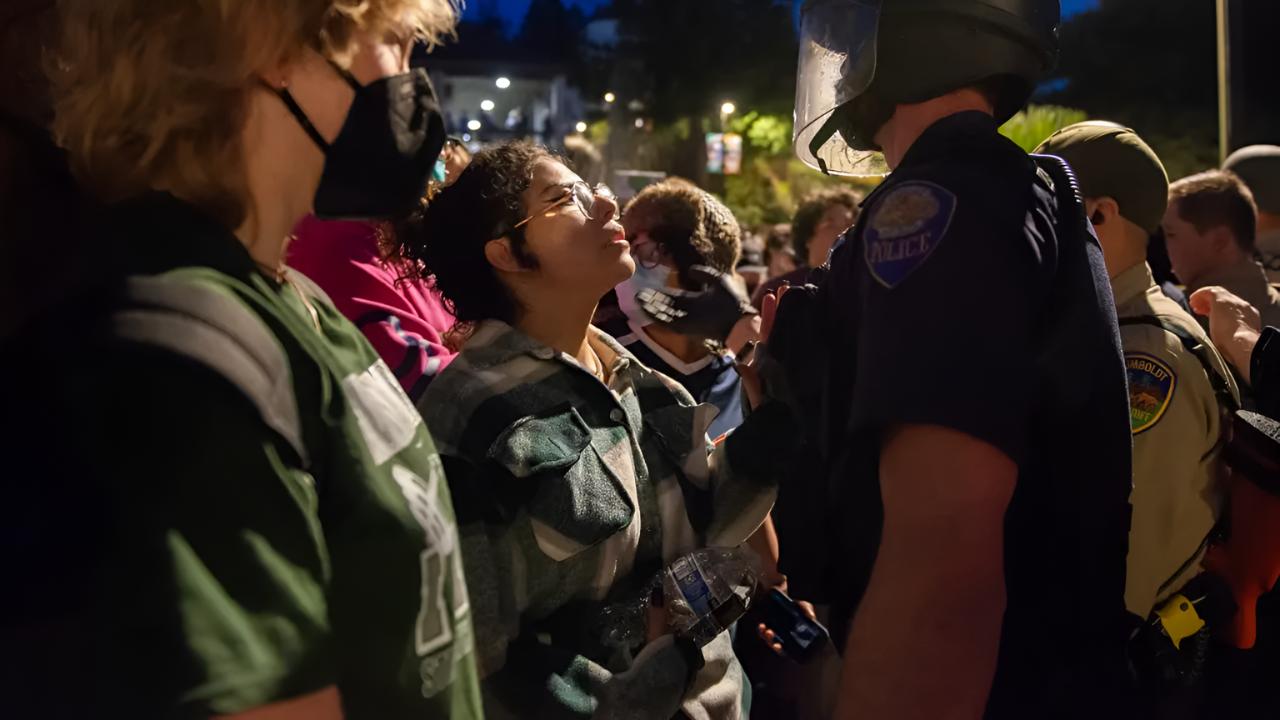
India, China, and Iran have voiced concern over U.S. visa policies, but none have taken retaliatory action. Instead, student numbers are simply falling—India down 44 percent, China 12.4 percent, Iran 86 percent.
The declines reflect cooling academic exchanges and growing unease, not formal expulsions or reciprocal restrictions.
Fear and Self-Censorship on Campus
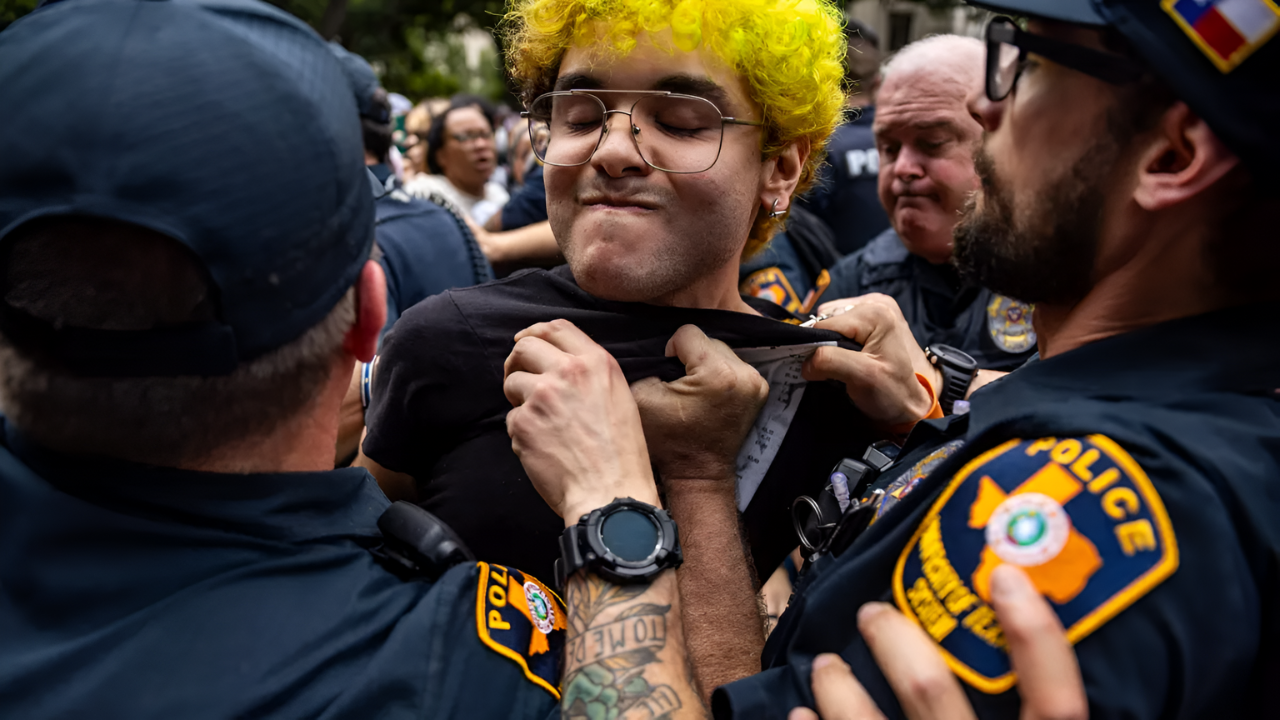
Students are quietly censoring themselves. University advisors now warn against travel abroad, fearing re-entry denials. Some student journalists have erased bylines or declined assignments entirely.
The Stanford Daily reported several resignations linked to fear of visa repercussions, underscoring how political anxiety is reshaping campus life.
Universities Offer Legal Support

To protect students, schools like Tufts and Stanford have filed declarations supporting those facing deportation. Designated School Officials are overwhelmed with emergency visa cases.
Institutions are expanding legal aid and advocacy efforts as faculty associations warn of long-term harm to America’s academic reputation.
Where Students Are Going Instead
While Canada and Australia face their own enrollment drops, the U.K. and parts of Europe are gaining. Germany, the Netherlands, and Ireland have attracted more graduate students seeking stability and speech protections.
The U.S. share of the global international student market has slid from 20 percent a decade ago to 16 percent today.
What Lies Ahead for U.S. Campuses
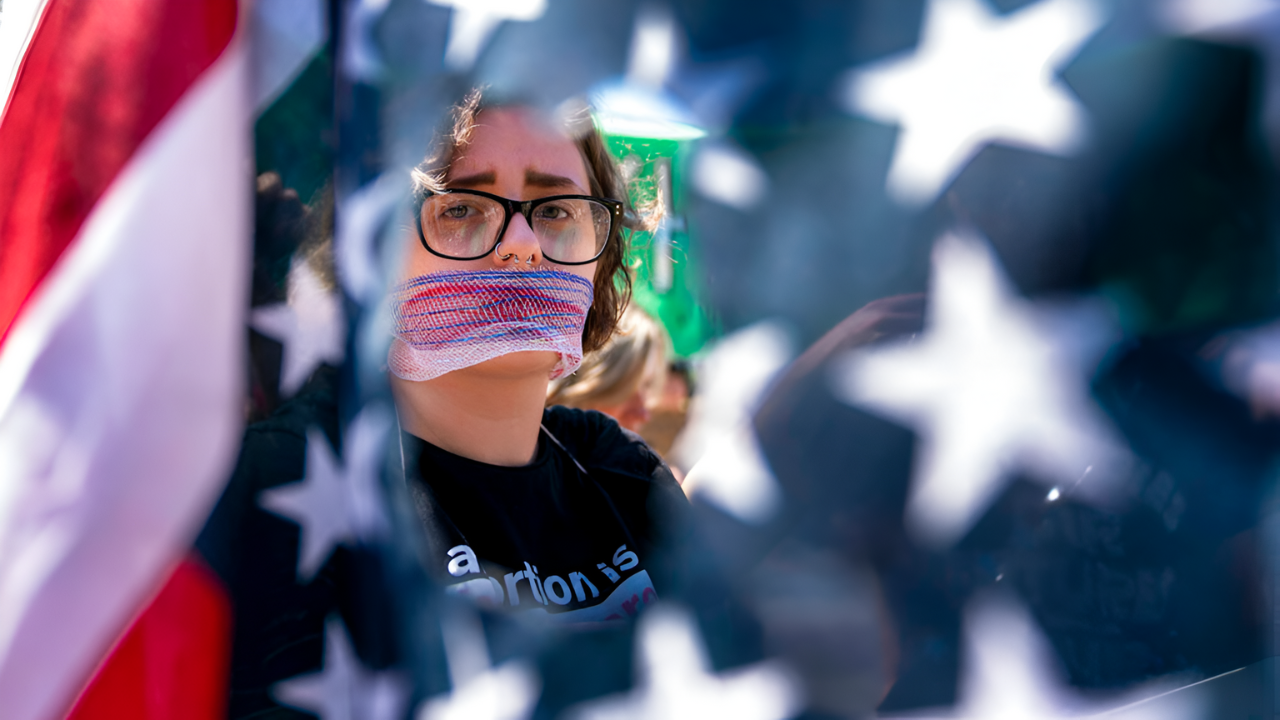
With interviews stricter, vetting broader, and court battles looming, universities are bracing for an unpredictable fall semester. Smaller colleges fear closures if enrollment doesn’t recover soon.
The bigger question is whether the U.S. can rebuild global trust. After all, once students look elsewhere, will they ever come back?