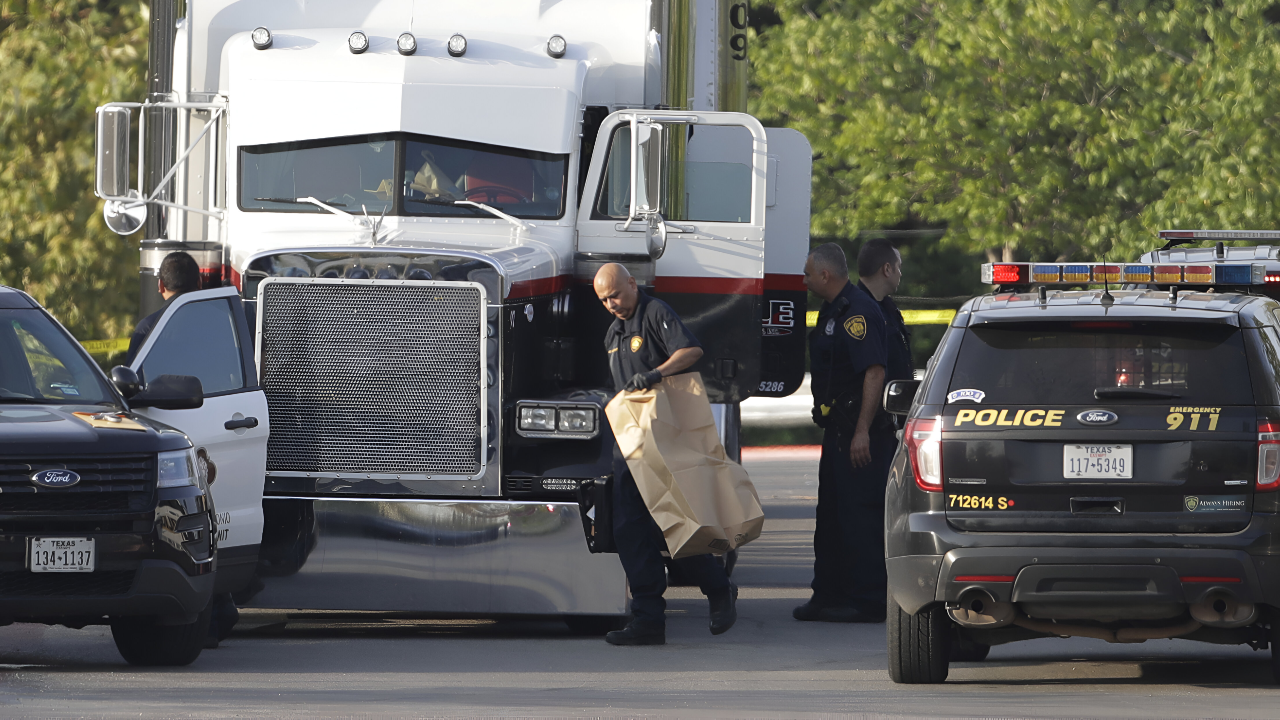
A recent law enforcement sweep in Oklahoma has put the spotlight on commercial trucking and immigration policy across the United States.
Authorities organized a targeted operation on I-40, one of the busiest shipping routes in the country, due to concerns about the potential safety threats posed by unqualified drivers operating large trucks. The operation drew national attention.
Escalating Safety Concerns
Officials observed a growing pattern of commercial vehicles being operated by individuals who were unable to verify their legal work or driving status.
Recent accidents nationwide have fueled concerns that unvetted drivers of 80,000-pound trucks represent a considerable risk on public roads, prompting Oklahoma’s crackdown.
These concerns mirror federal warnings about the oversight of the trucking industry and the use of immigrant labor.
A History of Enforcement Gaps
The U.S. commercial trucking sector relies heavily on licensed drivers; however, historical issues with incomplete background checks and forged documentation have posed challenges for federal and state regulators.
Enforcement of immigration and licensing laws has proven uneven, creating vulnerabilities across state lines and transport hubs like Oklahoma.
Pressure Mounts After Deadly Crashes
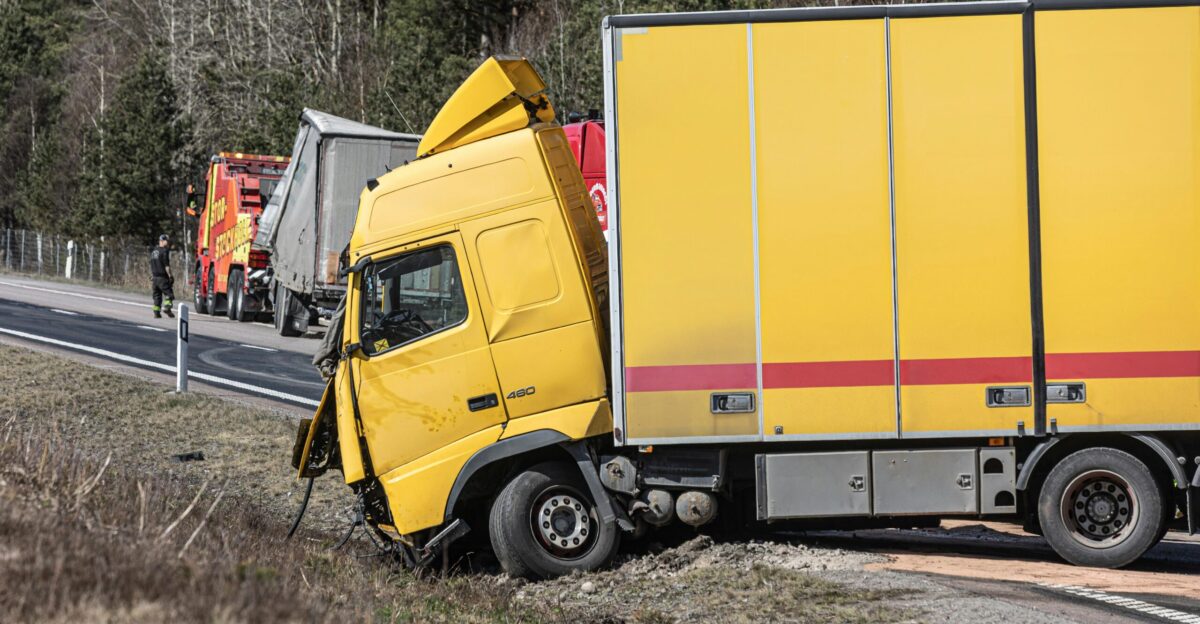
Several high-profile truck crashes in recent years, involving drivers with questionable credentials, led to increased scrutiny.
Both citizens and advocacy groups demanded action from state leaders who began coordinating enforcement sweeps to prevent further tragedies on American highways. The Oklahoma initiative reflects growing urgency in this area.
Operation Guardian Launches
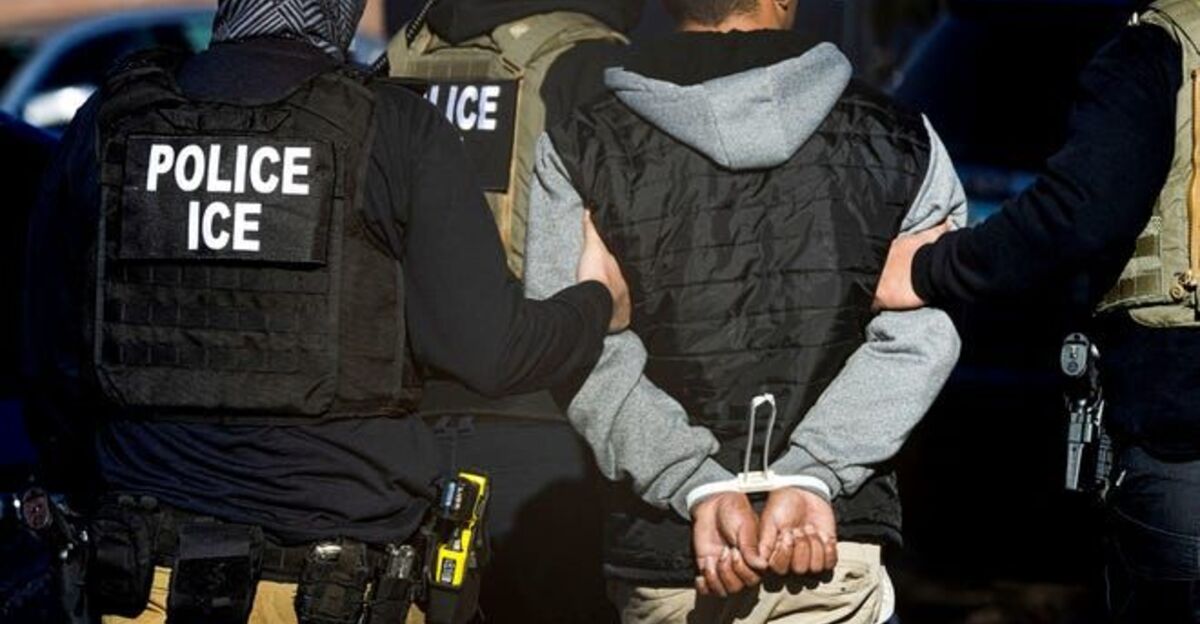
Between September 22 and 25, a joint task force led by the Oklahoma Highway Patrol and U.S. Immigration and Customs Enforcement (ICE) conducted “Operation Guardian.”
Out of 520 vehicles stopped, authorities detained over 120 drivers found to lack legal status or proper documentation, disrupting commercial traffic through key freight corridors near the Texas border.
Regional Impact on I-40
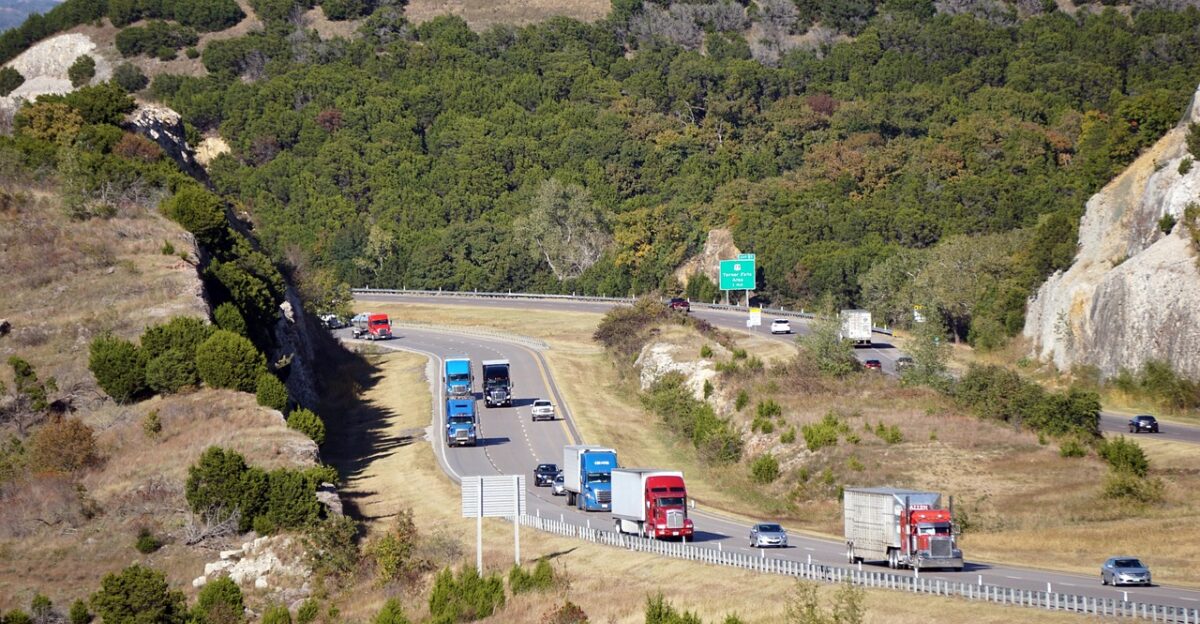
This enforcement sweep was concentrated at the port of entry on Interstate 40 in Beckham County, Oklahoma.
The route serves as a vital artery for trucking between the East and West Coasts, seeing millions of freight vehicles annually.
Disruptions and detentions during the operation affected surrounding communities and logistics schedules.
Diverse Backgrounds

Many of the detained drivers came from diverse backgrounds, representing countries like India, Russia, Ukraine, and Mexico.
According to Oklahoma officials, the drivers often claimed to be pursuing work opportunities—yet found themselves caught in legal confusion and lengthy processing, disrupting family and personal lives.
Licensing Loophole Discovered
State investigators uncovered cases of commercial driver’s licenses (CDLs) issued in other “sanctuary” states.
Some licenses lacked standard identity verification, including instances where only one name appeared or identifying information was incomplete, raising concerns about interstate regulatory consistency.
Labor Shortages Exacerbate the Issue

The demand for freight and delivery drivers remains high due to the ongoing supply chain needs following the pandemic.
The shortage of domestic drivers contributed to the reliance on immigrant labor, some of whom entered trucking through irregular documentation processes, heightening the problem for enforcement agencies.
Documentation Failures Revealed
Authorities discovered dozens of instances of fraudulent documents, including expired or counterfeit licenses and altered records.
This revelation prompted a call for increased cooperation between state DMVs and federal agencies to shrink the regulatory gaps that allowed drivers with false documentation onto public highways.
Industry Reacts to Crackdown
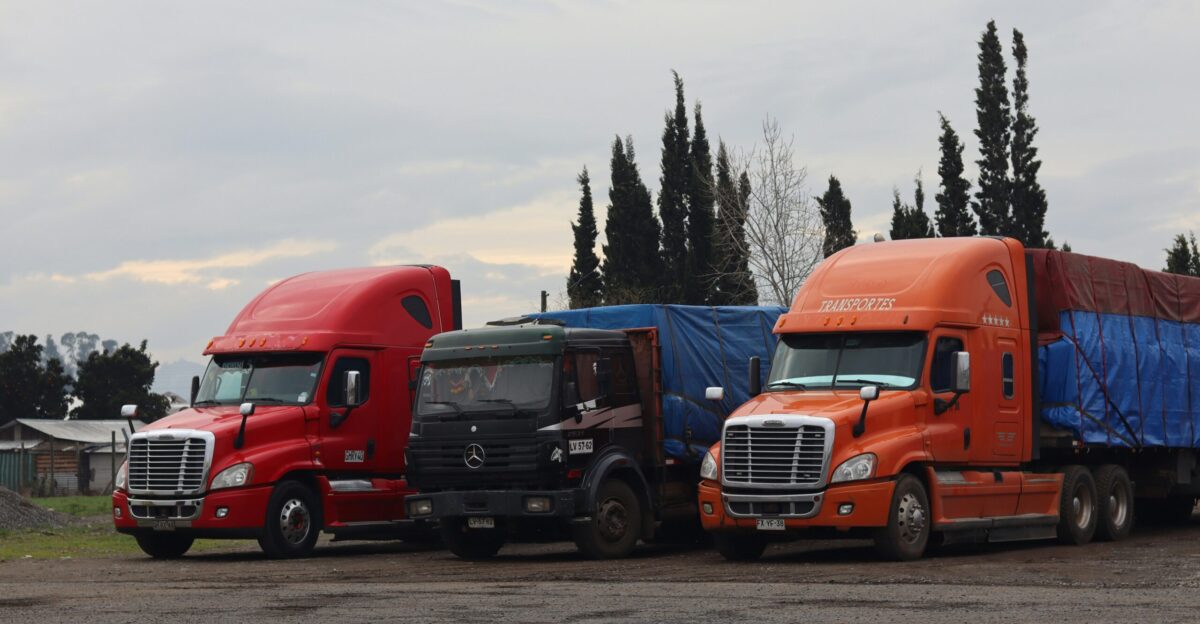
Major trucking associations voiced support for removing unqualified drivers, emphasizing the risks posed to compliant operators and the public.
However, smaller fleet owners worried about potential labor shortages and disruptions to their businesses amid stricter enforcement.
Policy Leadership Steps Forward
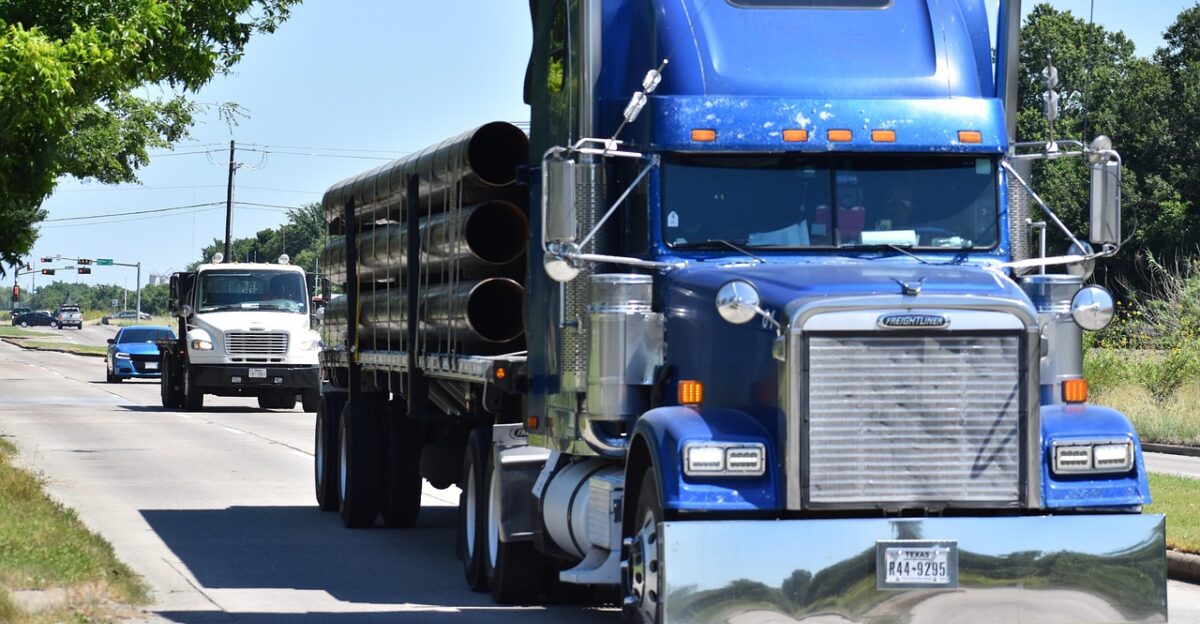
Oklahoma Governor Kevin Stitt and Public Safety Commissioner Tim Tipton lauded the multi-agency effort as an example of state-federal partnership.
Stitt called for swift federal action to prevent similar situations in the future, stressing safety and proper documentation as non-negotiable standards for all drivers.
Legislative Proposals Under Consideration
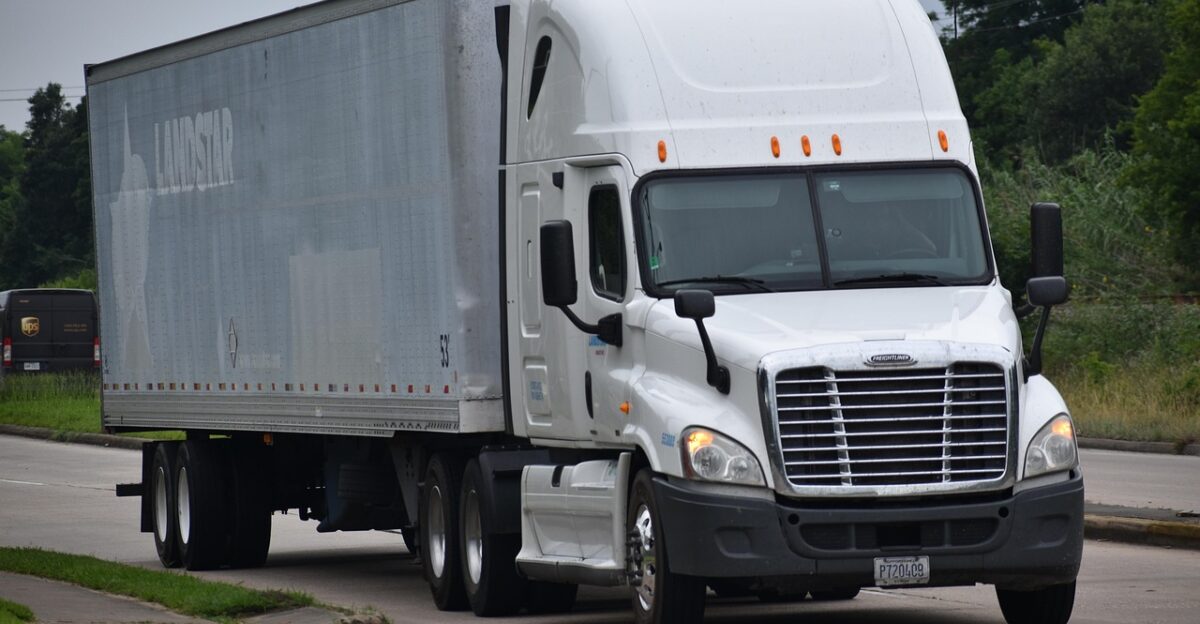
Following the sweep, Oklahoma lawmakers began drafting new measures to tighten licensing verification and require the sharing of real-time information between states.
The legislation aims to close gaps that allow non-compliant drivers to secure commercial driver’s licenses in one jurisdiction and work elsewhere.
Systemic Challenges
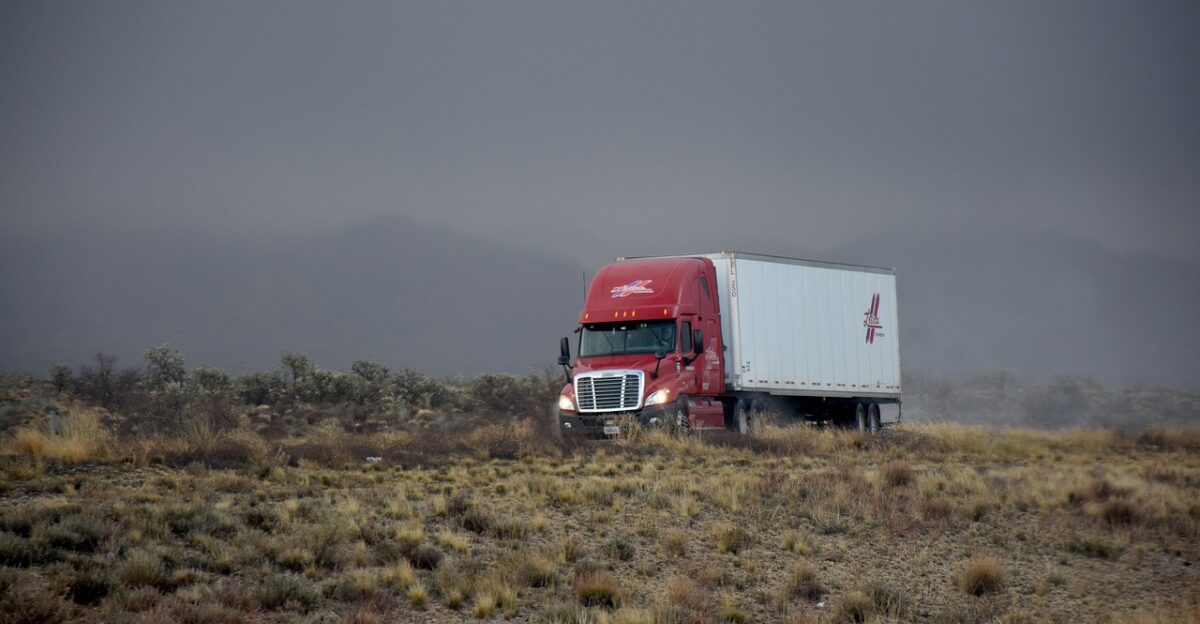
Transportation security expert Dr. Lisa Moreno explained that inconsistent regulatory oversight allows vulnerabilities across state borders, making coordinated sweeps like Oklahoma’s necessary but insufficient by themselves. She emphasized that systemic improvements to the vetting process are essential for meaningful progress.
Future of Regulatory Action
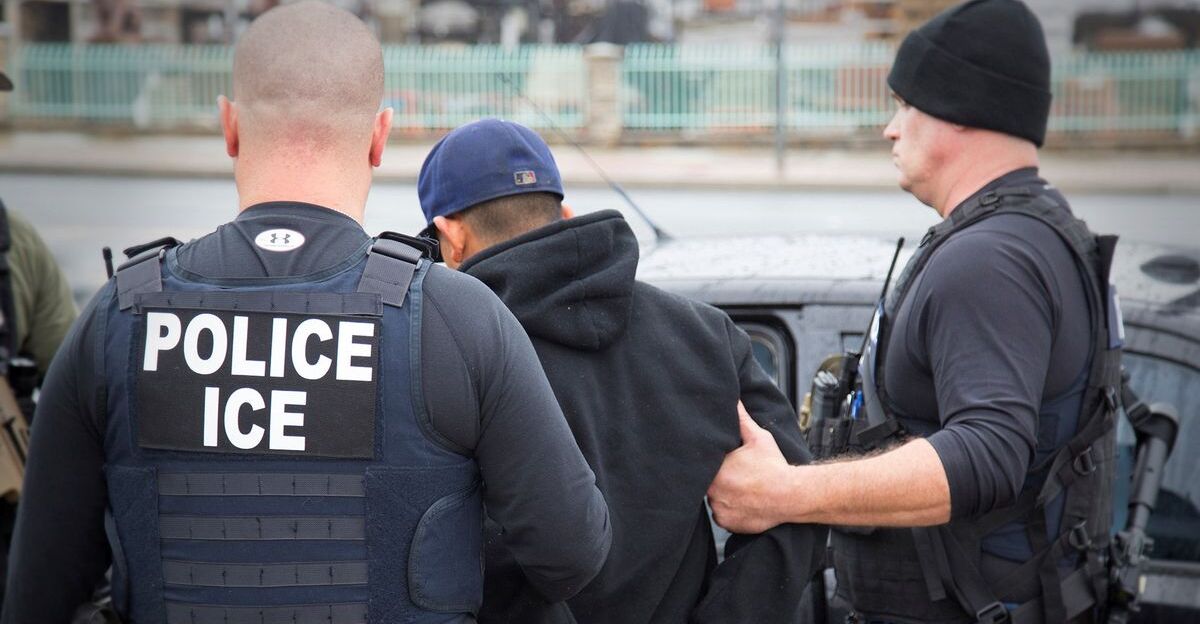
Federal agencies, including the Department of Transportation and ICE, indicated that more stringent background checks and interagency data sharing will soon be implemented nationwide.
Officials suggested that similar “blitz” operations may be expanded to other high-traffic corridors in the near future.
Broader Political Implications

The crackdown fueled fresh debates over national immigration policy, border security, and the responsibility of individual states in protecting public safety.
Advocates for tougher security called for uniform standards, while civil rights groups questioned the sweep’s impact on immigrant communities.
International Labor Migration
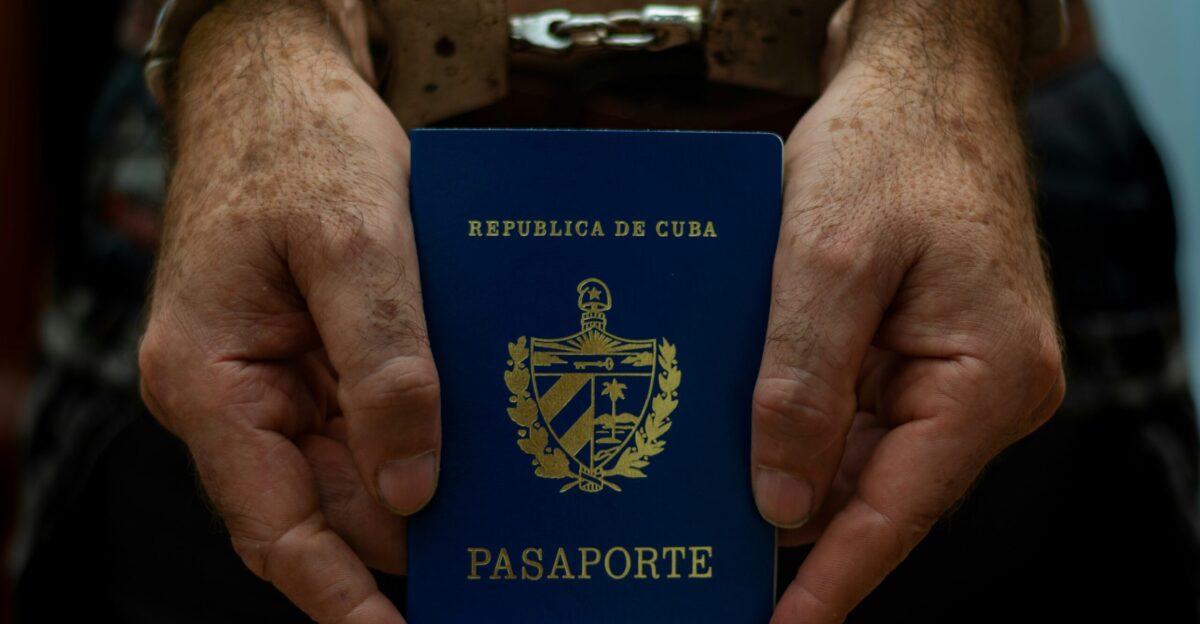
Many detained drivers originally entered the United States through various legal and irregular channels. The operation underscored broader trends in global labor migration, as American industries—including trucking—draw workers from an increasingly international pool, creating ongoing regulatory challenges.
Legal Ramifications for Offenders
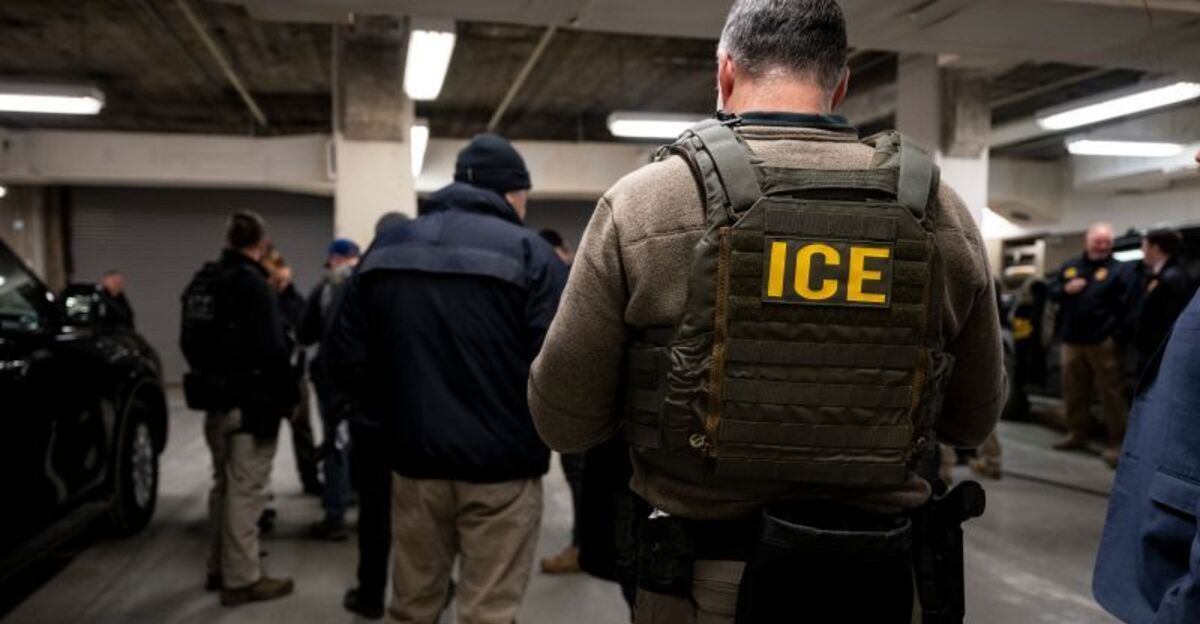
Oklahoma authorities reported that individuals arrested during Operation Guardian face a range of consequences, from deportation hearings to federal prosecution in some cases.
Legal experts anticipate that more robust legal proceedings will follow as documentation and identity questions are resolved.
Reevaluating Enforcement Efforts
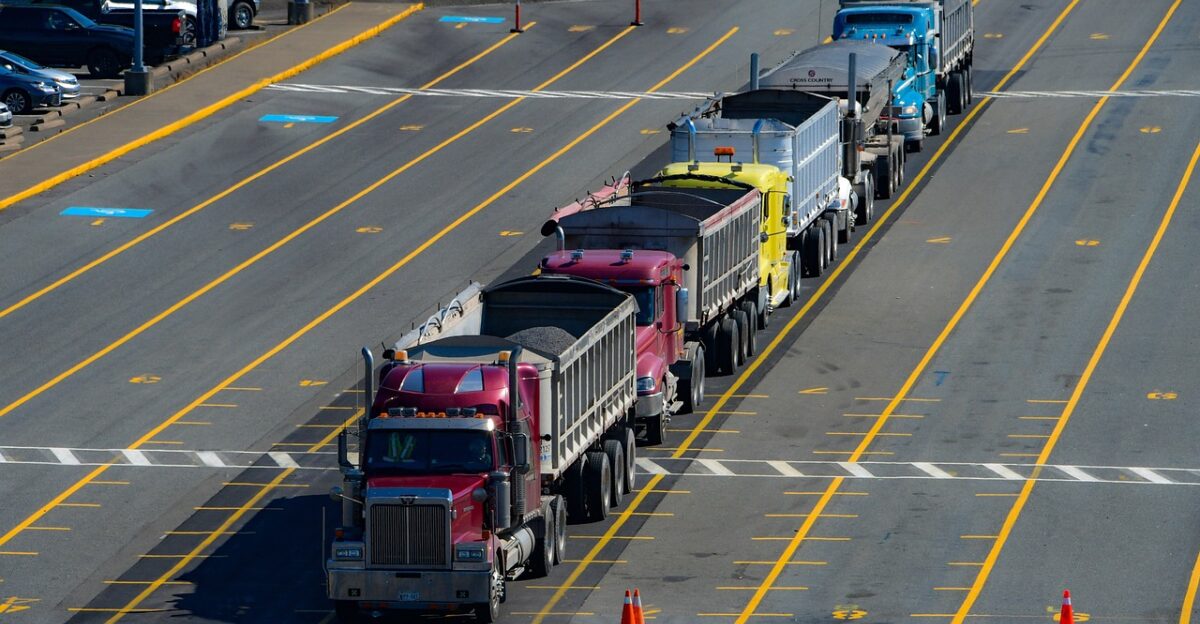
In light of Oklahoma’s enforcement effort, some industry insiders are urging a culture shift—placing safety and transparency at the forefront of commercial trucking operations.
Calls for strengthened oversight and ethical employment practices are now echoing across logistics networks nationwide.
A Wake-Up Call for U.S. Trucking
The sweeping arrests in Oklahoma have brought the intertwined issues of highway safety, regulatory oversight, and immigration policy into sharp focus.
Going forward, these events may serve as a model—or a warning—for other states weighing the balance between enforcement, economic necessity, and industry accountability.