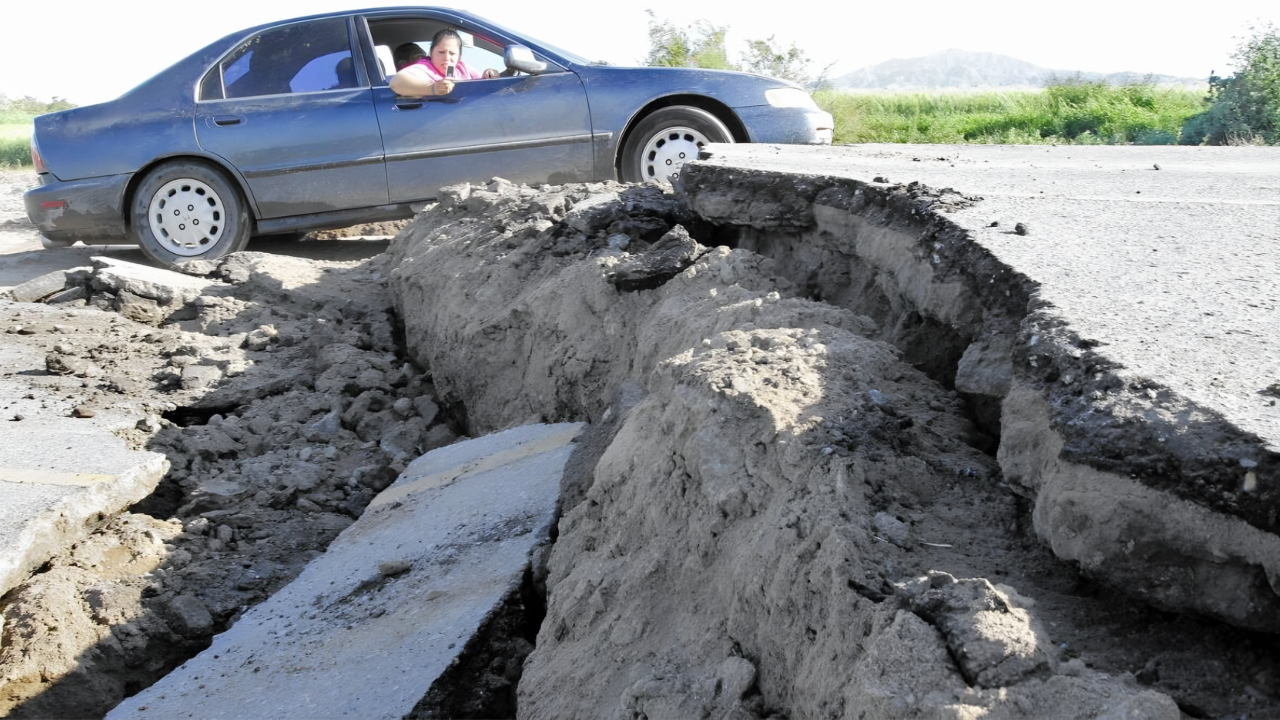
In September 2025, scientists made an unprecedented discovery: the first-ever real-time observation of a tectonic plate tearing apart. Beneath the Pacific Northwest, a 75-kilometer rift is slowly slicing through the Juan de Fuca plate.
The rupture, visible off Vancouver Island, offers a rare glimpse of Earth’s geological processes in action, raising urgent questions about the seismic future of the region’s millions of residents. The plate is breaking apart, piece by piece—an event that could change the landscape forever.
Escalating Threat
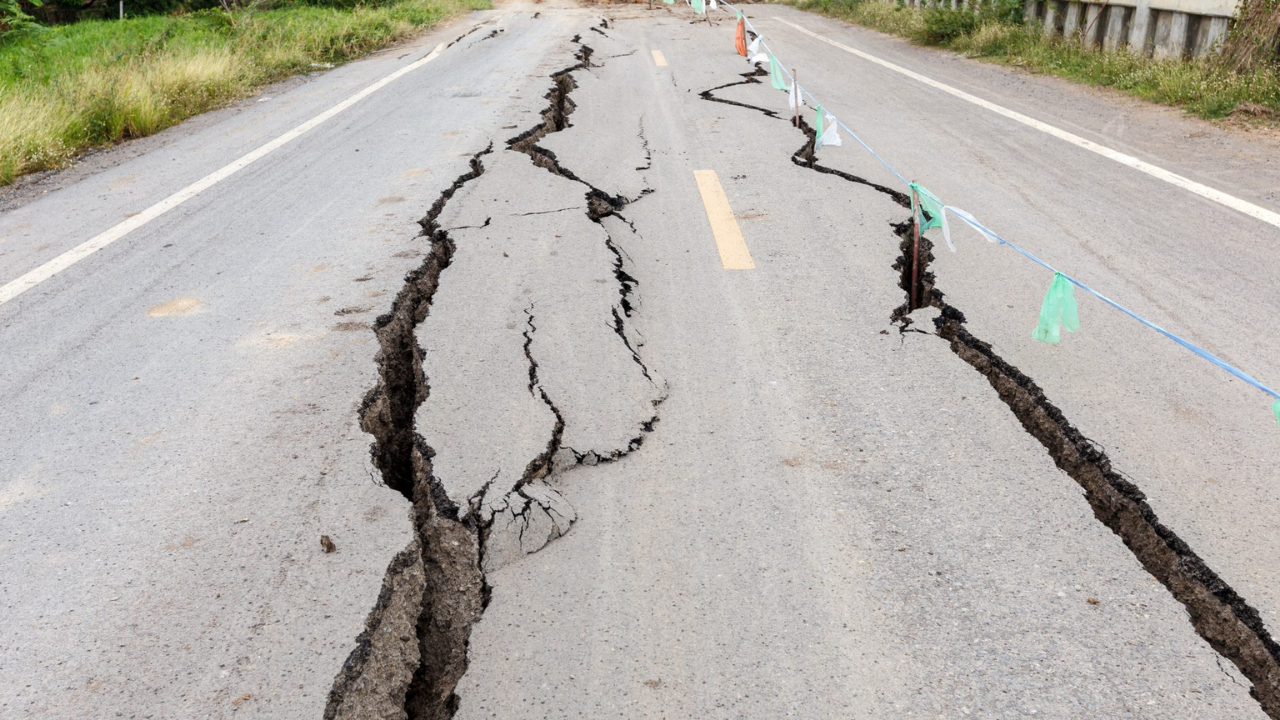
The rift is not just a fracture in the plate—it’s an active, evolving fault. Some sections are quietly detaching, while others remain seismically active. Experts warn that the rupture is nearing completion, with seismic zones indicating the plate’s dramatic breakup is on the horizon. The implications for Oregon and Washington’s earthquake models are profound.
The Cascadia region is closer to experiencing a major seismic event than anyone previously realized.
Tectonic History
For decades, geologists speculated about how subduction zones cease to exist, but they lacked direct evidence. The Juan de Fuca plate, off Vancouver Island, has been a focal point for these theories, especially in the context of the Cascadia subduction zone. Now, for the first time, scientists have captured the process of subduction zone death, showing how these plates break apart in real-time.
This breakthrough is solving a long-standing puzzle.
Mounting Pressure
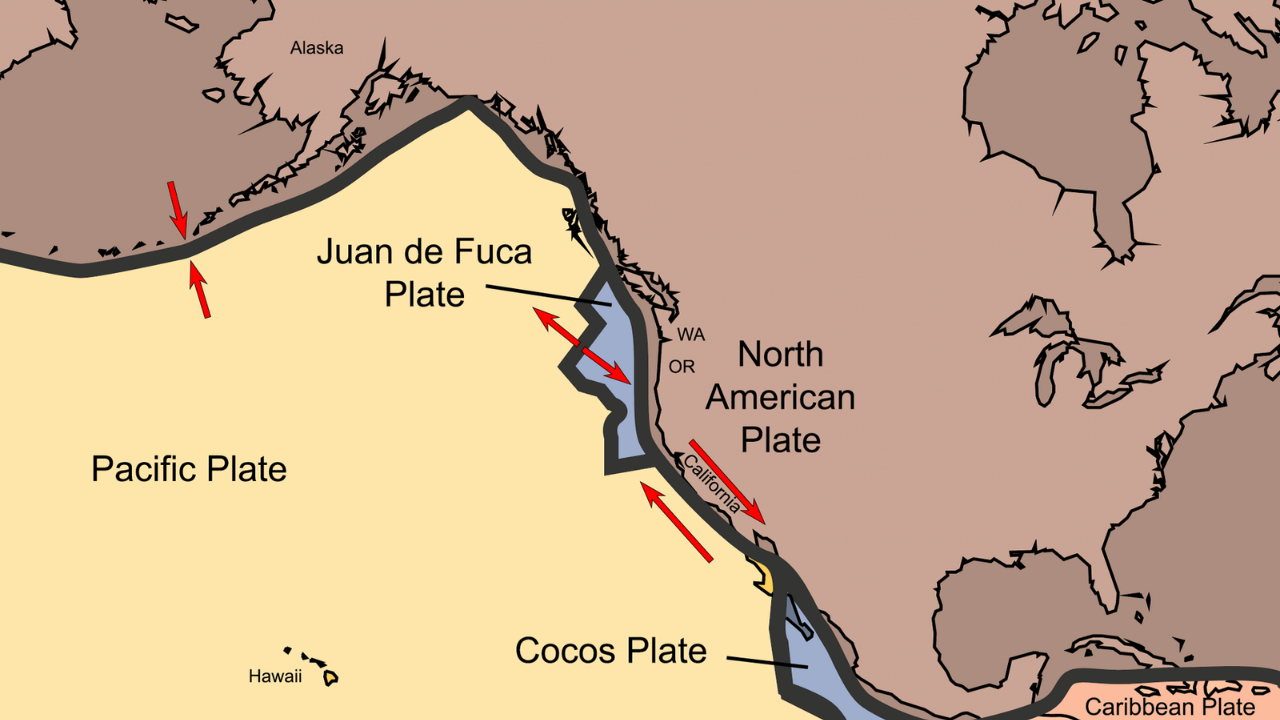
The Pacific Northwest’s tectonic plates—the Juan de Fuca, Explorer, and North American plates—have been grinding together for millions of years. Recent seismic imaging now reveals mounting stress and cracks within these plates. The pressure is building, setting the stage for the massive rupture scientists have just observed.
This immense force is reshaping our understanding of tectonic dynamics.
Rift Revealed
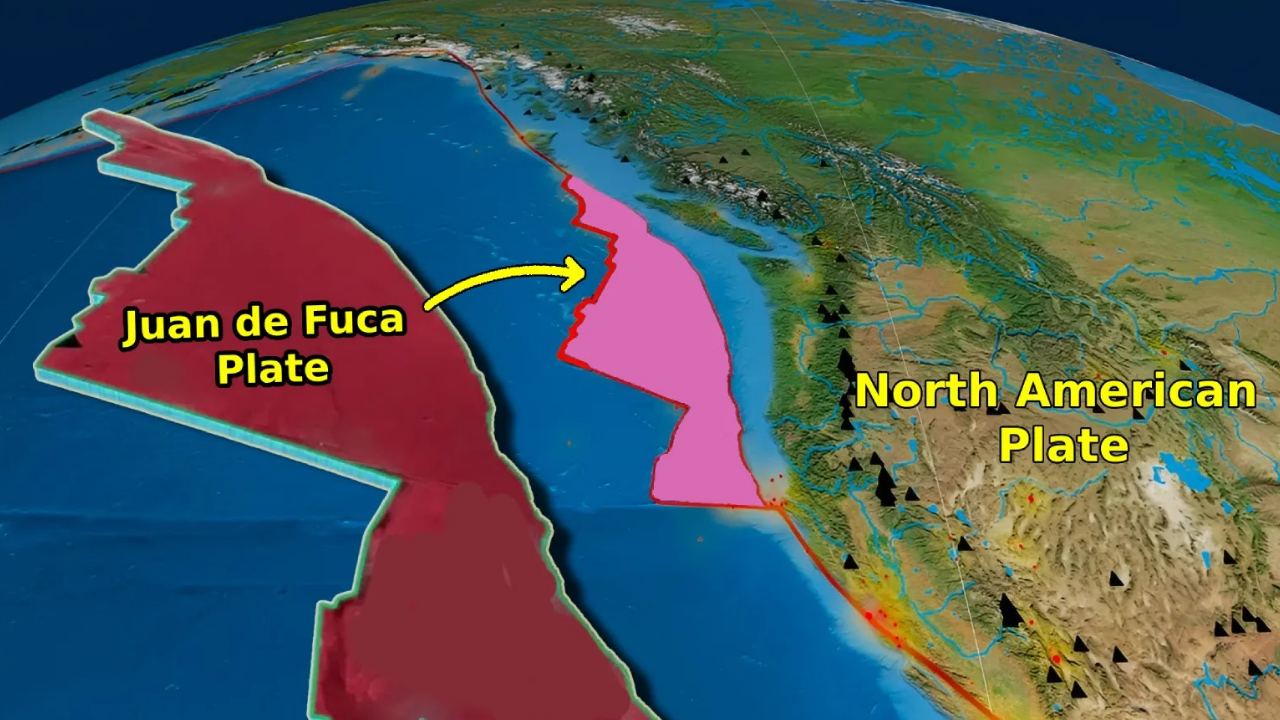
In September 2025, Brandon Shuck and his team published groundbreaking images capturing the 75-kilometer tear in the Juan de Fuca plate. Using data from the 2021 CASIE21 expedition, scientists confirmed that the plate is actively breaking apart beneath the Cascadia subduction zone.
For the first time, we can see how Earth’s crust is slowly tearing itself apart—a once unimaginable spectacle.
Regional Impact
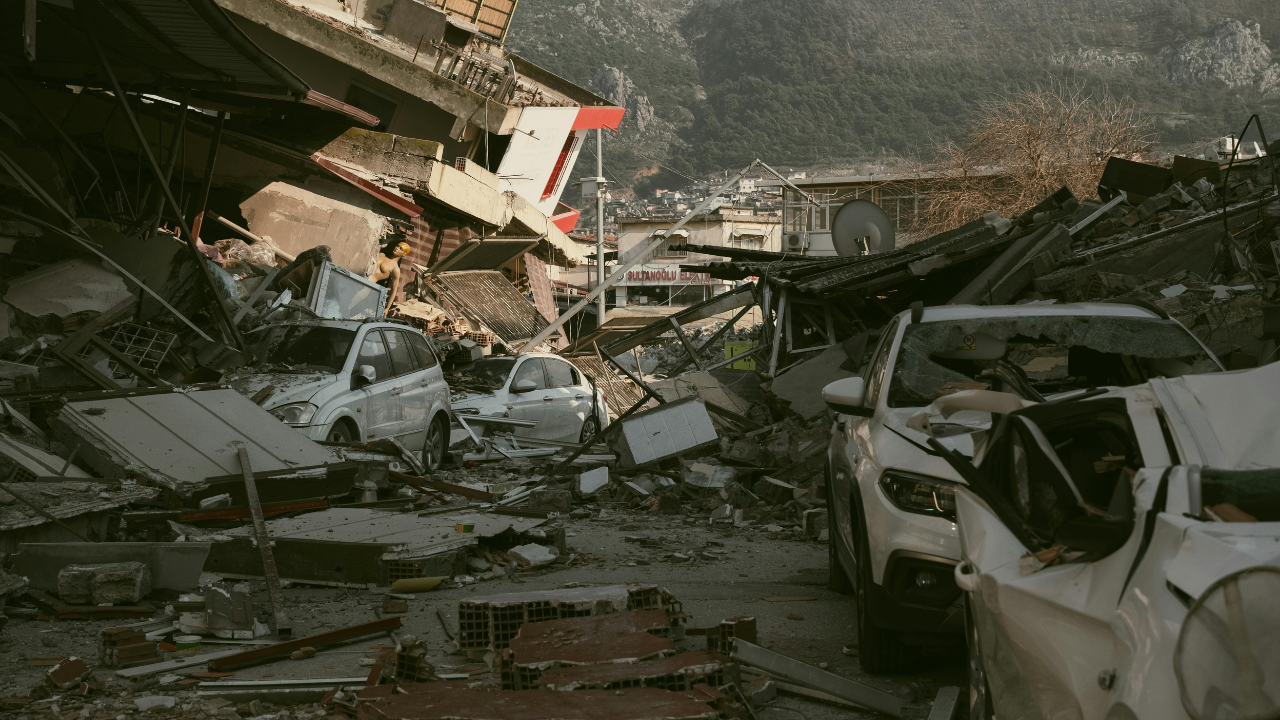
Though the rupture is off Vancouver Island, its effects stretch across the entire Pacific Northwest, including Oregon’s offshore hazard zone. This region, home to over 10 million people, is situated in a dangerous position—vulnerable to both earthquakes and tsunamis caused by tectonic shifts.
The residents of Washington, Oregon, and British Columbia are now living in the shadow of an evolving seismic threat.
Human Lens
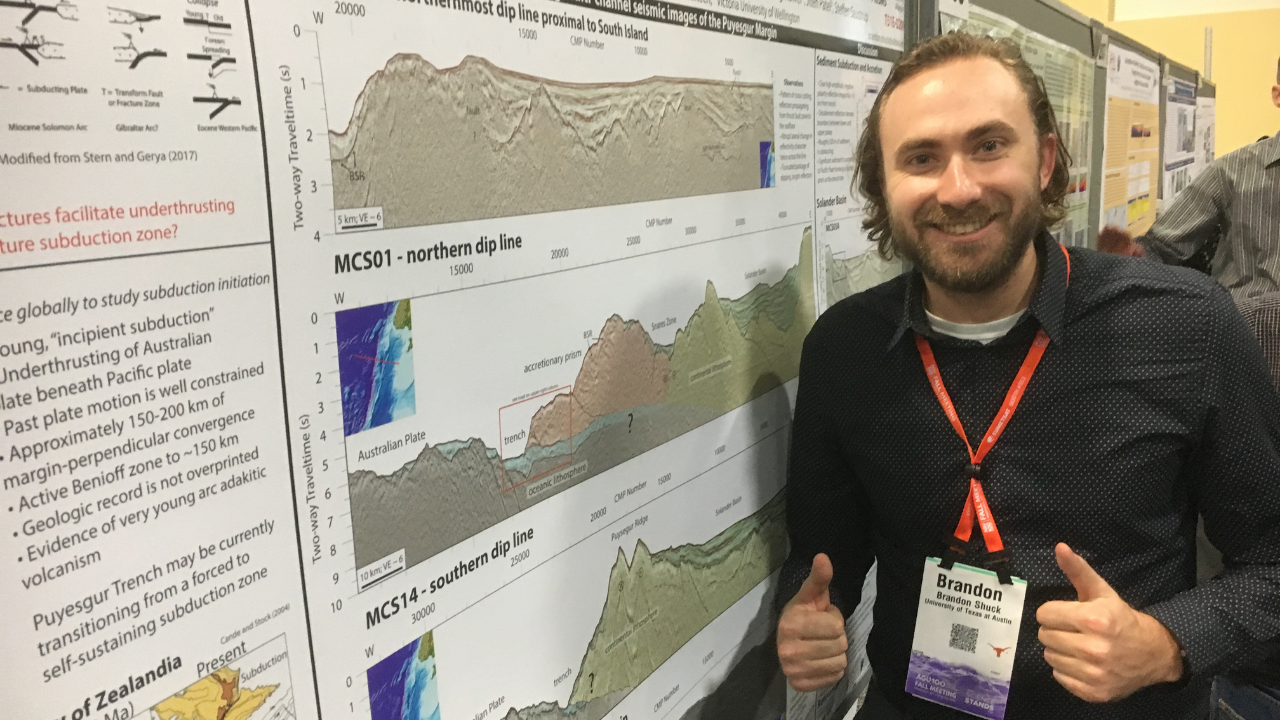
Brandon Shuck, lead author of the study, has called attention to the urgent nature of the discovery: “There’s a very large fault that’s actively breaking the plate.” This revelation is prompting local authorities and emergency planners in Oregon and Washington to reassess their preparedness for future seismic events.
The risk is no longer a distant possibility—it’s a present reality.
Scientific Competition
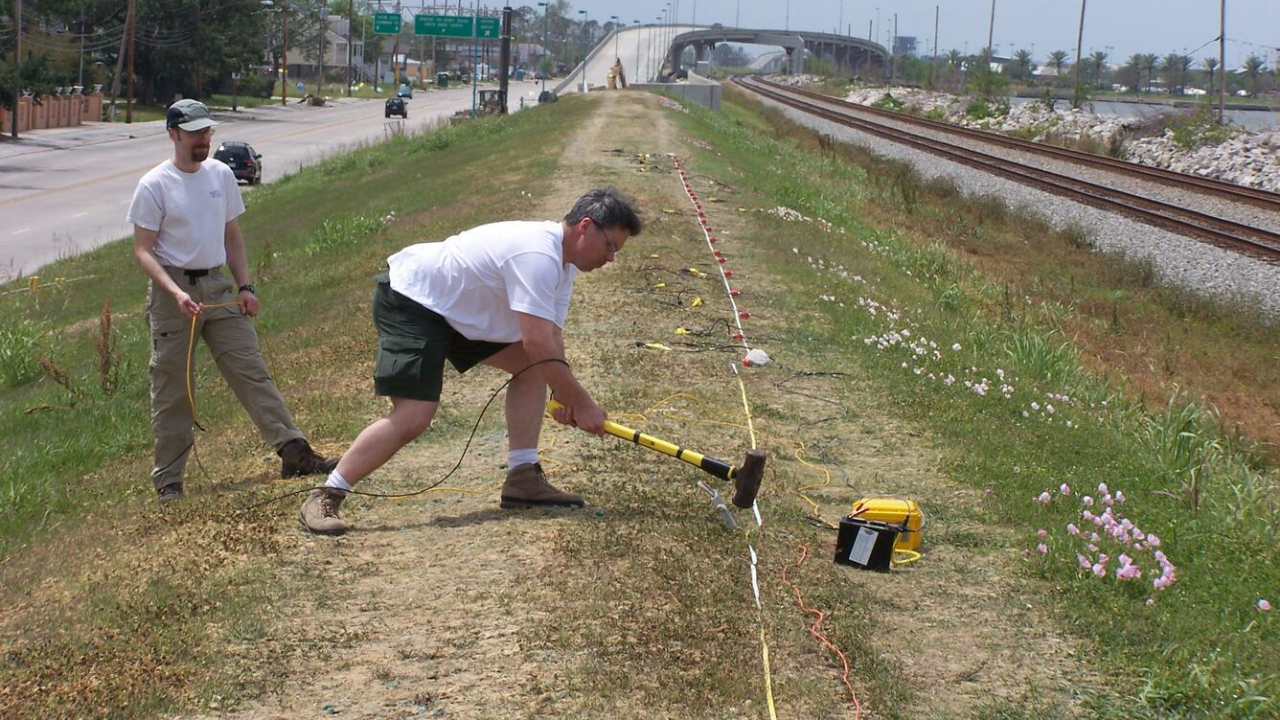
The discovery has sparked a race among global seismic research teams. Scientists are now extending seismic surveys deep into the mantle, hoping to map the full extent of the Juan de Fuca plate’s tear.
This new data is changing the direction of tectonic research, encouraging deeper exploration into subduction zone dynamics across the world.
Macro Context
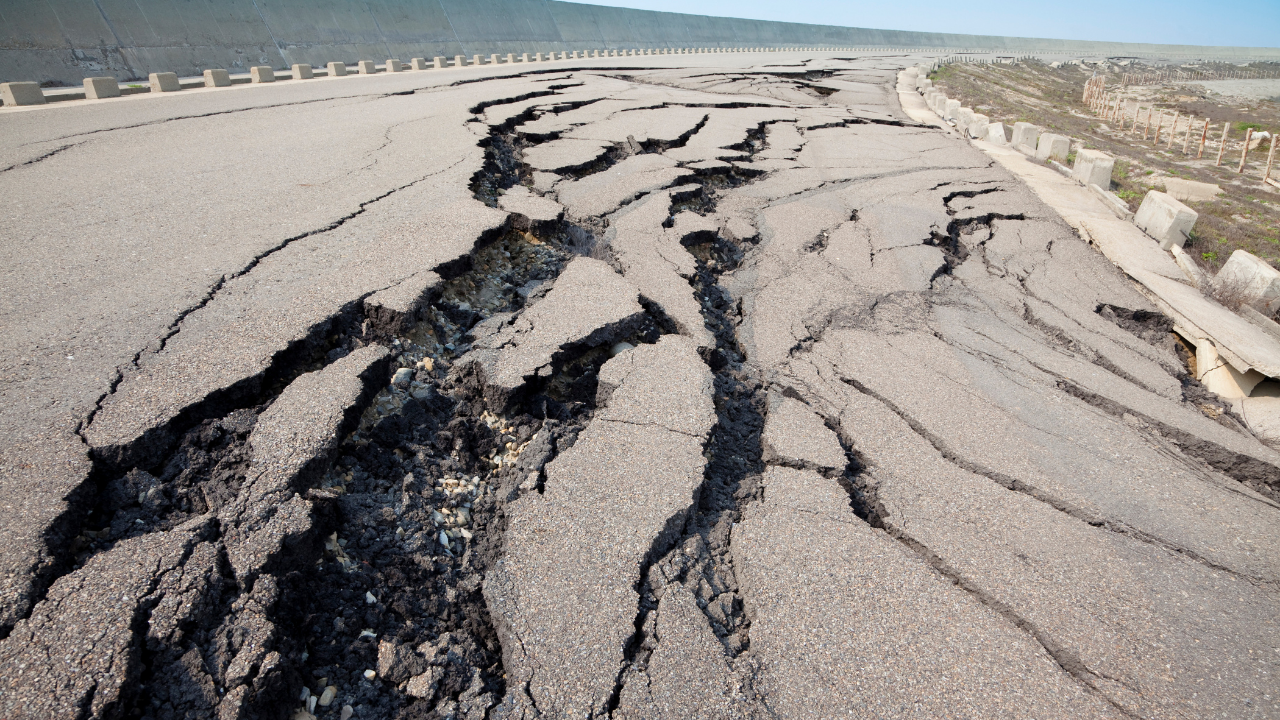
Subduction zones are responsible for some of the most powerful earthquakes on Earth. The Cascadia region, with its slow, piecemeal breakup, offers a unique window into how these tectonic boundaries evolve.
This rare event will influence our understanding of seismic risks not just in the Pacific Northwest, but in subduction zones around the globe.
Microplates
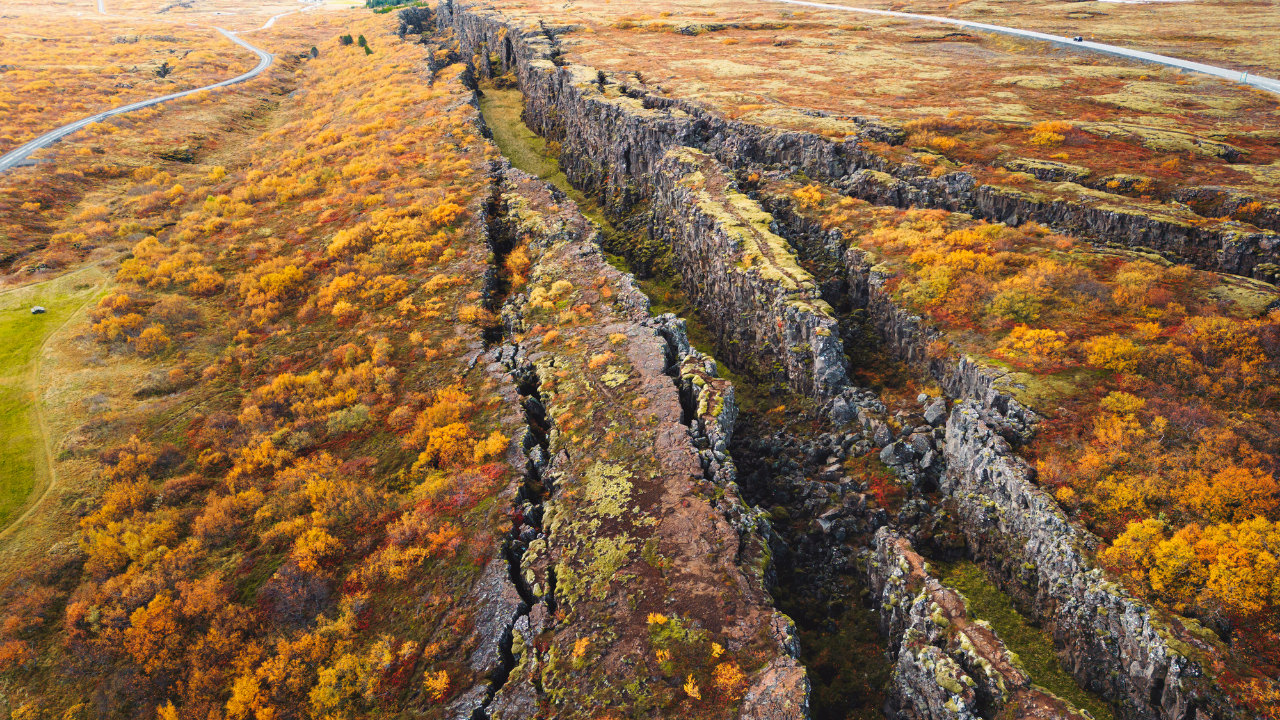
The ongoing breakup is not a clean tear. It’s occurring in stages, creating smaller microplates and new tectonic boundaries. This process explains the presence of fossil microplates found off Baja California, offering new insights into the death of subduction zones.
Each stage of the plate’s destruction offers crucial clues to the future of Earth’s tectonic systems.
Internal Tension
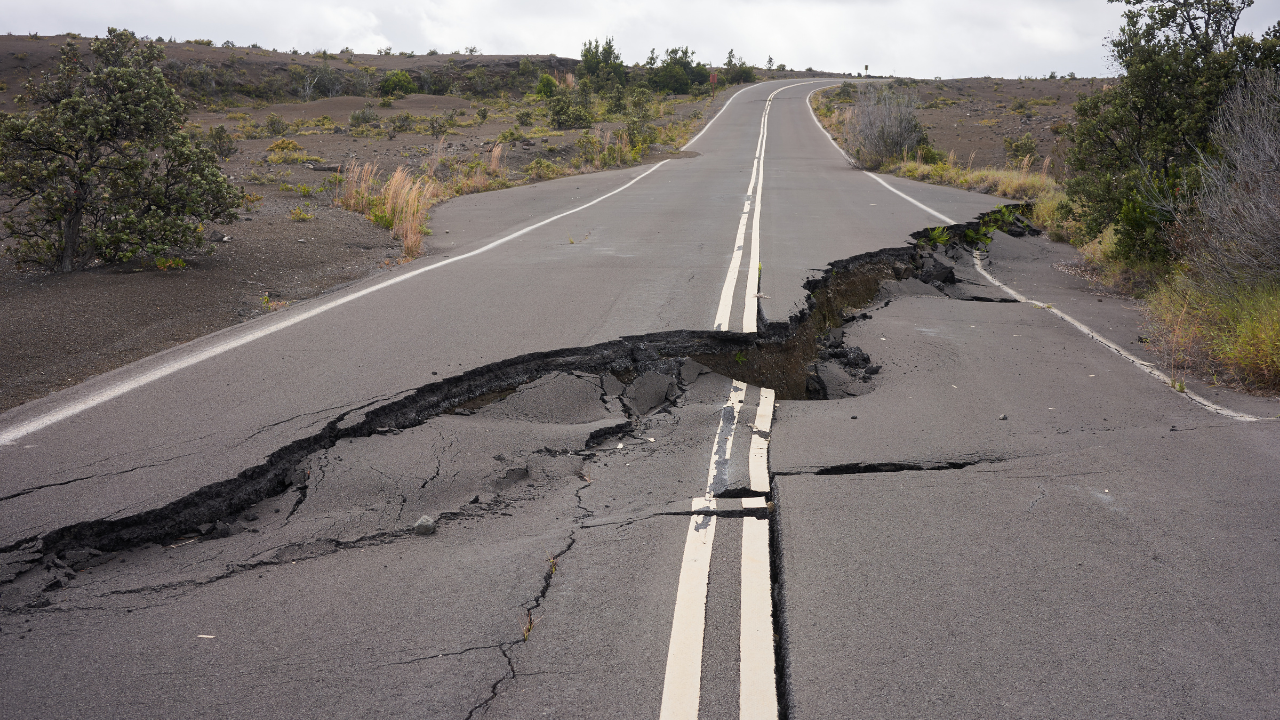
Seismic data show both active and dormant sections of the fault. Some regions remain earthquake-prone, while others have fallen silent, suggesting that parts of the plate are already detached.
This is a critical moment for hazard modeling, as the silence may be a precursor to a massive release of tectonic stress.
Leadership Spotlight
Brandon Shuck, along with a dedicated team aboard the R/V Marcus G. Langseth, led the charge in capturing this unprecedented tectonic data. Their work, published in Science Advances, has set a new standard in real-time tectonic imaging.
The implications of their discovery extend far beyond the Pacific Northwest, offering a glimpse into Earth’s deep, often hidden, geological processes.
Strategic Response
The discovery reinforces the importance of existing preparedness initiatives in Oregon and Washington. States and counties have been developing risk assessments and emergency preparedness plans in anticipation of potential Cascadia seismic events, with ongoing efforts to strengthen infrastructure and early-warning systems.
The region’s response is now shifting to account for an imminent, evolving risk.
Expert Outlook
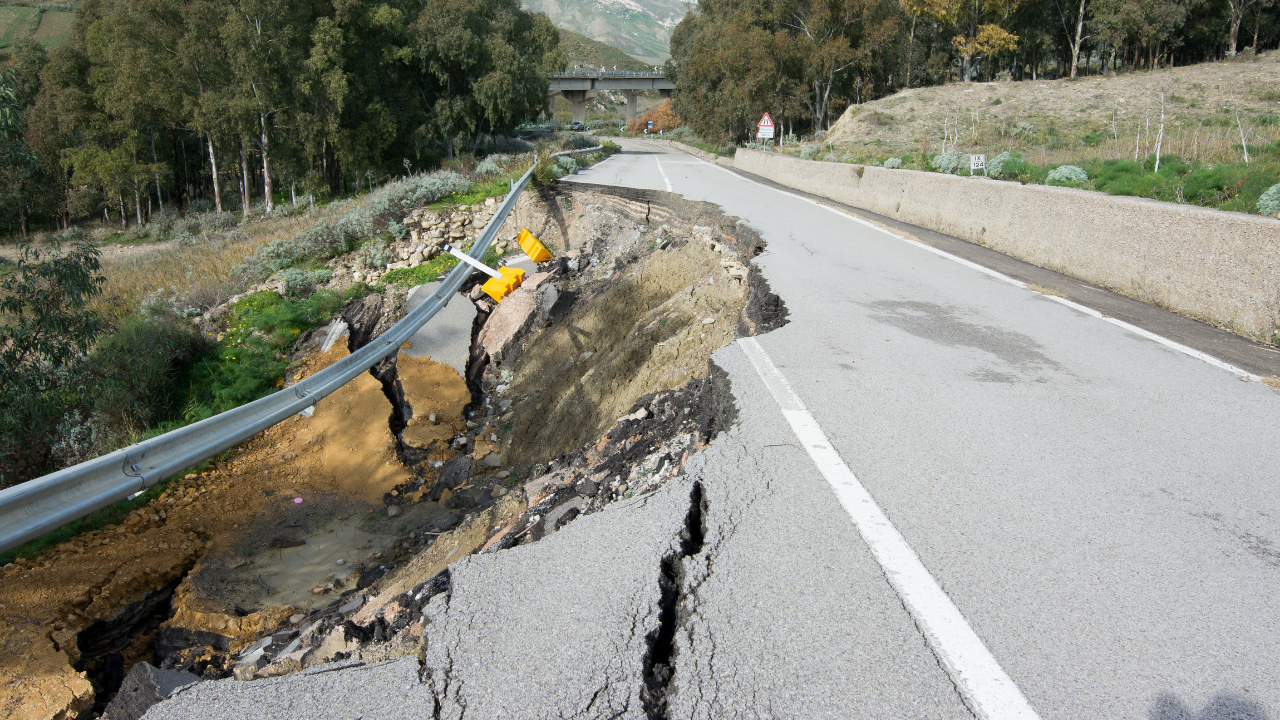
Some experts caution that while this discovery is groundbreaking, the nature of the rift’s episodic breakup means that seismic risks may evolve over decades or centuries. The ongoing monitoring of the rupture is crucial to understanding the full scope of the threat.
The next few decades may reveal even more about the seismic future of the region.
Looking Ahead
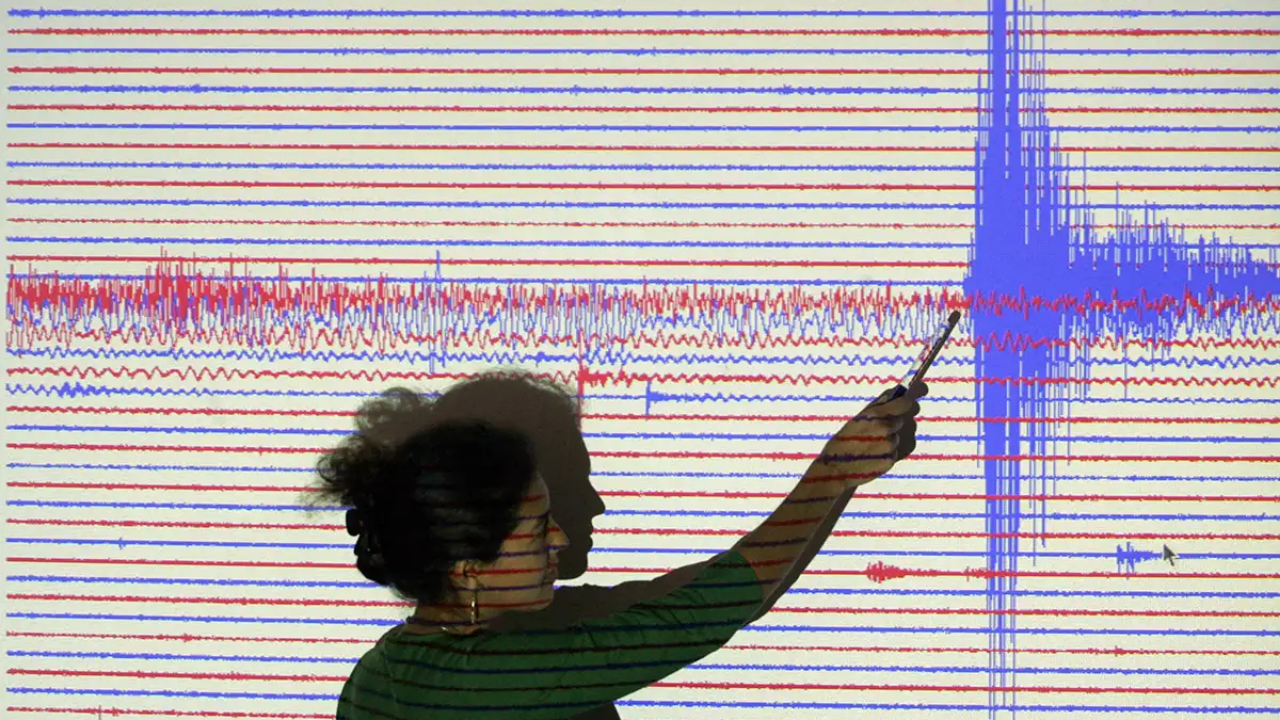
Scientists are planning more in-depth seismic surveys and continuous monitoring of earthquake patterns along the rift. The next major seismic event could provide additional data that further clarifies the plate’s breakup.
These upcoming shifts in the region could redefine earthquake predictions and models for generations to come.
Policy Implications
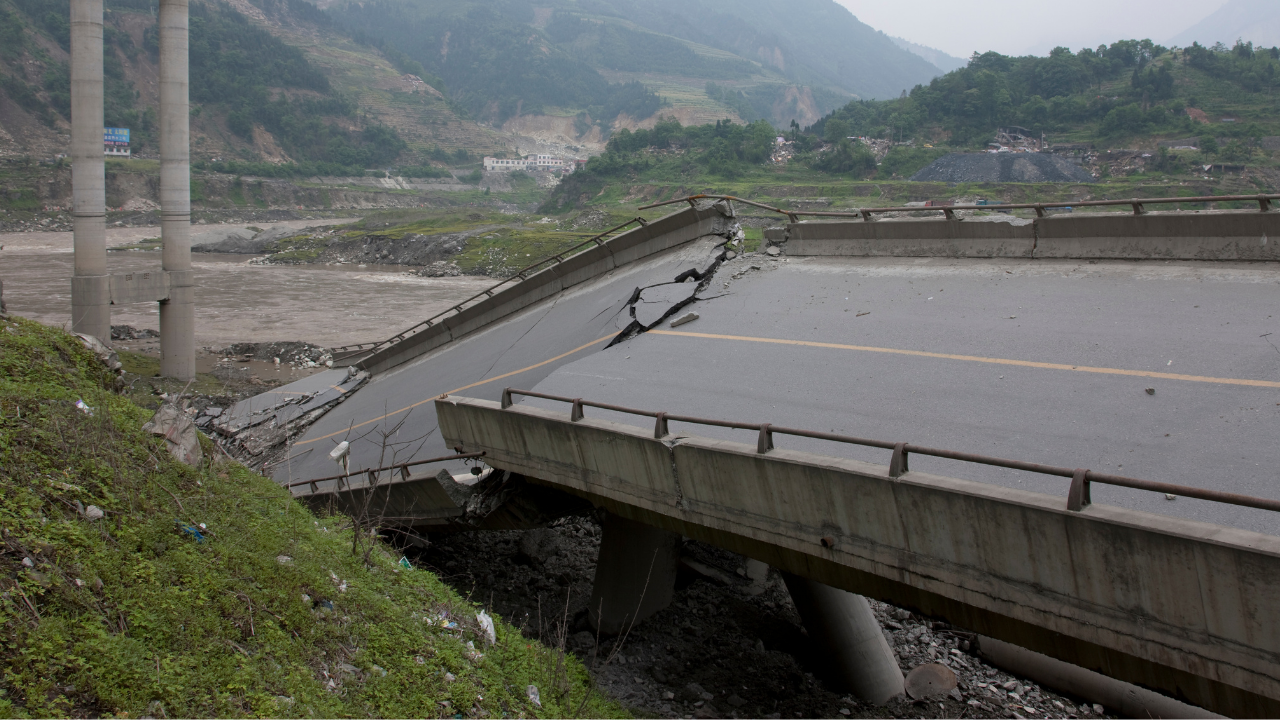
Building codes in the Pacific Northwest have undergone updates to reflect seismic hazard knowledge. State and federal agencies maintain disaster response protocols designed to address subduction zone risks, with ongoing evaluation of regulations regarding coastal development.
The findings are prompting policymakers to consider the potential for more frequent and severe seismic events in the region.
International Ripple
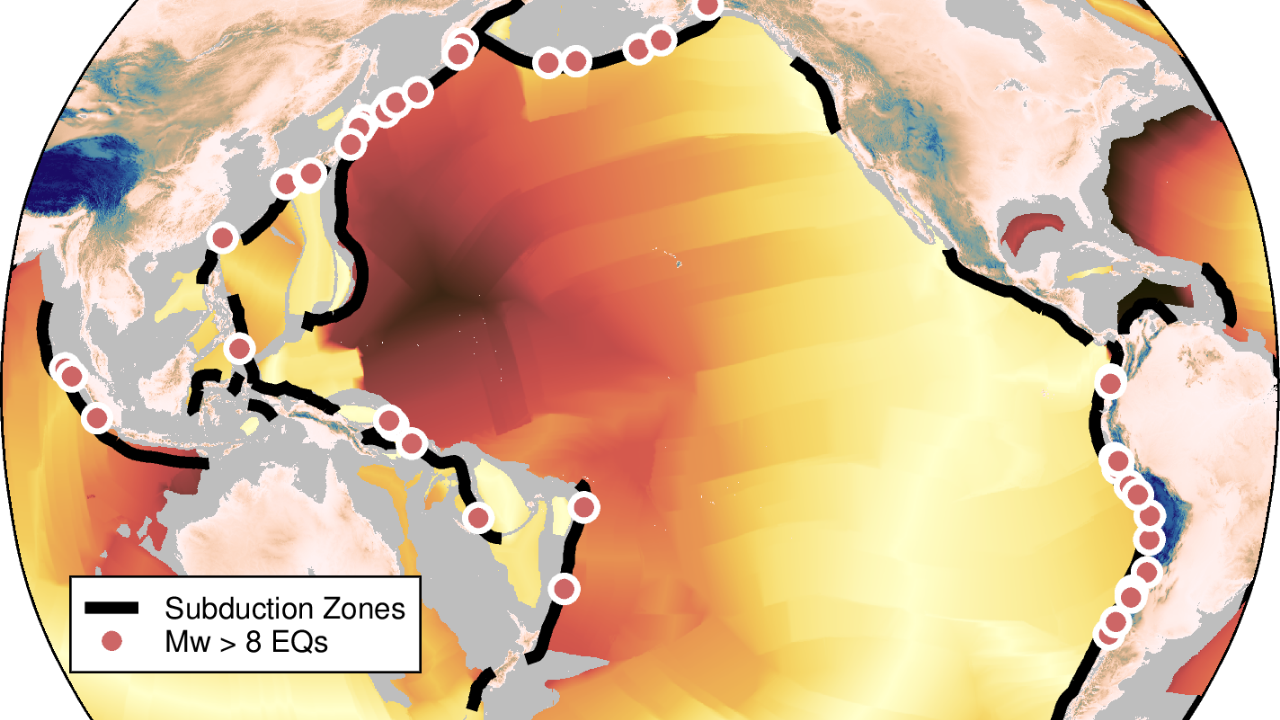
This discovery has caught the attention of seismic research centers worldwide. The implications of a subduction zone breaking apart in real-time resonate beyond the Pacific Northwest, offering valuable insights into tectonic processes in other high-risk regions such as Japan, South America, and the Indian Ocean.
Environmental Angle
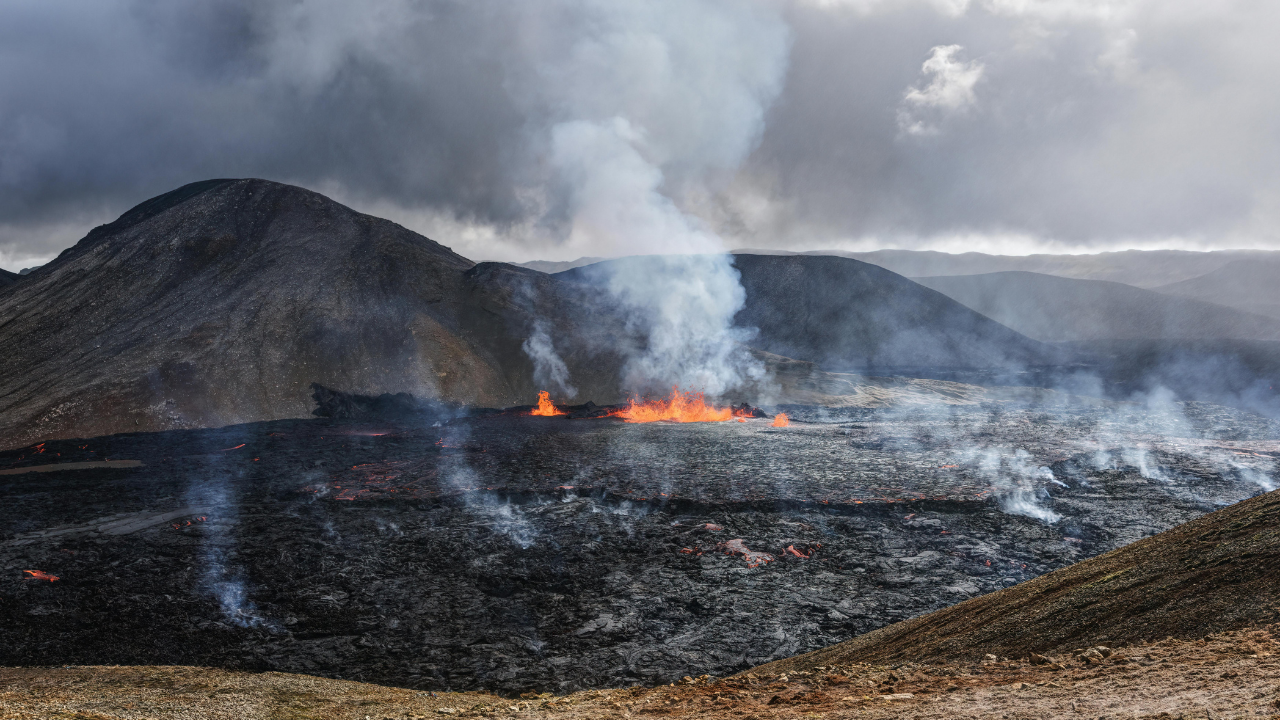
As the rift continues to evolve, plate dynamics could influence volcanic activity and hydrothermal circulation patterns in the region. The Cascadia subduction zone’s complex geology presents opportunities for scientists to better understand how tectonic processes interact with marine ecosystems and ocean chemistry.
Cultural Shift

The Pacific Northwest has a long history of earthquake preparedness efforts. Communities continue to assess vulnerability and explore ways to build resilience against future earthquakes and tsunamis, with ongoing education and preparedness initiatives at local and state levels.
Broader Reflection
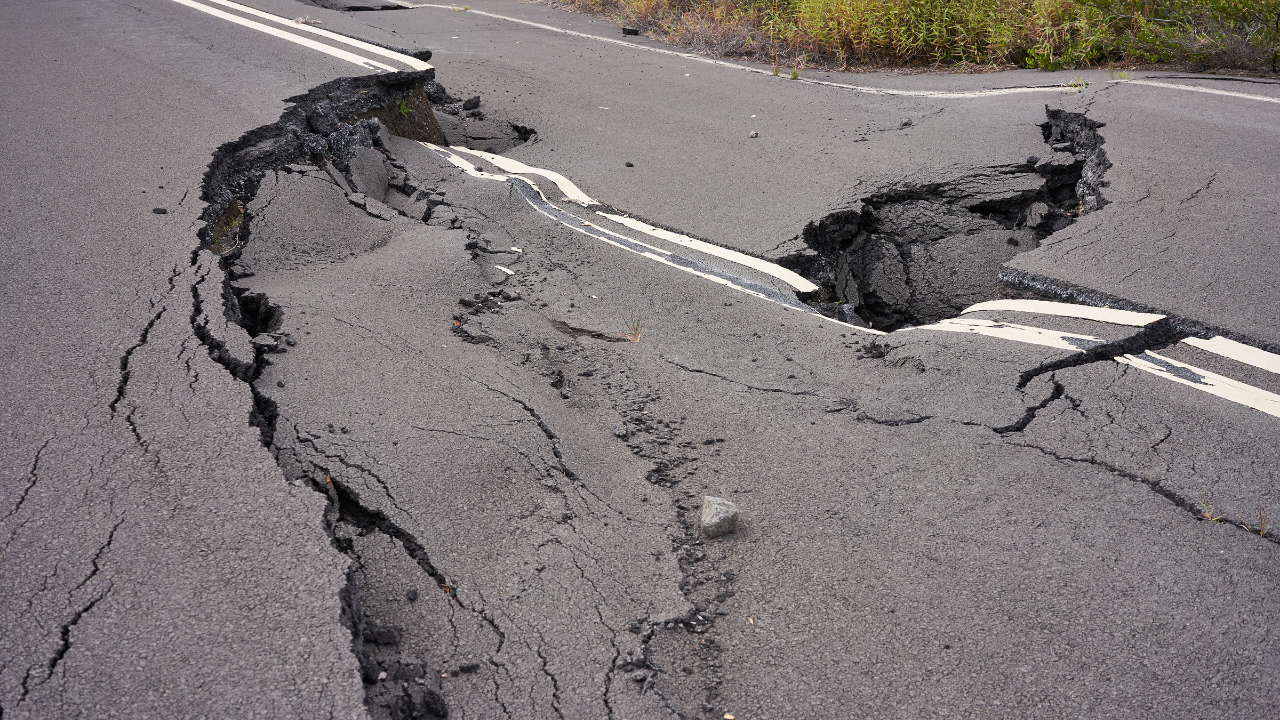
This historic event—the direct imaging of a subduction zone breaking apart—signals a new era in Earth science. As researchers continue to uncover the mysteries of tectonic plate rupture, the region—and the world—must adapt to an evolving seismic reality.
The future of the Pacific Northwest, and the science that will guide it, is unfolding right before our eyes.