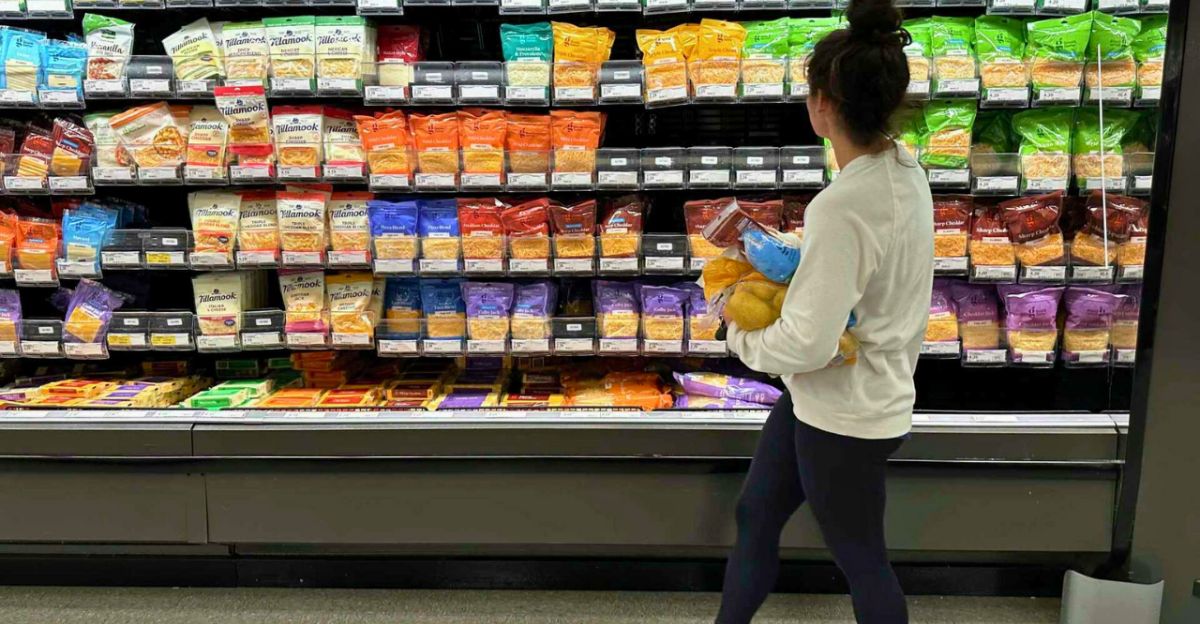
In October 2025, a major food safety crisis gripped the United States. Health officials announced a massive recall of pre-cooked pasta linked to Listeria monocytogenes.
Nate’s Fine Foods, a California-based producer, launched the recall after detecting contamination in products distributed across 15 states.
Federal regulators and consumers reacted quickly, underscoring the vulnerability of today’s complex food systems.
Scope of the Issue Widens

Public concern intensified as investigators traced affected pasta to many grocery chains nationwide. More than 245,000 pounds of ready-to-eat pasta were distributed under different store brands, leaving a high potential for exposure.
Officials raced to remove the contaminated meals from shelves—demonstrating how fast bacteria can spread through a national supply network.
The Company at the Center

Nate’s Fine Foods operates out of Roseville, California. The company manufactures pre-cooked pasta meals for several major U.S. retailers.
Though little known to most consumers, its national footprint became clear as stores from California to New York initiated recalls. The episode exposed the complexity and interdependence behind modern American food distribution.
Building Safety Pressures

Regulators and food safety experts have repeatedly warned of rising listeria risks in ready-to-eat meals. Growing demand for convenience foods has intensified the need for stronger safety oversight.
This recall pressured businesses to strengthen sanitation protocols and accelerate improvements in product traceability.
Outbreak Details Revealed

On September 25, 2025, the FDA recalled nearly 245,000 pounds of pasta linked to listeria contamination from Nate’s Fine Food
CDC data confirmed 20 listeriosis cases across 15 states—four of which were fatal and 16 required hospitalization. Deaths occurred in Utah, Illinois, Michigan, and Texas.
Confirmed infections were reported in: California (2), Florida (1), Illinois (1), Indiana (1), Louisiana (2), Michigan (2), Minnesota (1), Missouri (1), Nevada (1), North Carolina (1), Ohio (1), South Carolina (1), Texas (3), Utah (1), and Virginia (1). The outbreak highlighted how quickly pathogens can move through national supply chains.
Regional Impacts and Responses

Health departments nationwide issued alerts after the FDA announcement. Local and federal agencies worked jointly to warn residents about the exposure risk, especially vulnerable populations like pregnant people, the elderly, and immunocompromised individuals.
Tragedy Strikes

The outbreak claimed four lives and caused a fetal loss in one pregnancy. Hospitals reported a sharp increase in admissions related to listeriosis.
The tragedy highlighted the devastating impact of foodborne bacteria, with some survivors facing prolonged recovery periods.
Retailers Mobilize for Safety

Retailers, including Walmart, Trader Joe’s, and Sprouts, immediately pulled the affected products. They launched rapid recall operations, updated shelf warnings, and notified customers through internal tracking systems. For many shoppers, this episode served as a blunt reminder of the importance of following recall alerts.
Economic Ripple Effects

The financial toll was steep. Recalls of this magnitude can result in millions of dollars in losses for producers and retailers alike.
Nate’s Fine Foods and its partners faced significant disruption as unsellable products filled warehouses.
The recall also shook consumer confidence in store-brand convenience meals.
Secondary Products Implicated

Further testing revealed additional varieties—including chicken Alfredo and meatball linguine—were contaminated. Retailers responded with new recall rounds as regulators expanded the investigation.
The situation revealed how challenging containment can be once contamination infiltrates production lines.
Retailer and Supplier Frustration

Retailers and suppliers voiced frustration about the scale of the contamination. Industry experts said the outbreak likely went undetected for a long time due to its reliance on third-party testing and cross-state supply routes.
According to reports cited by USA Today, the incident highlights lingering flaws in national safety oversight, which are already stretched thin across multiple agencies.
Company Leadership Under Scrutiny

As recall reports grew, Nate’s Fine Foods confirmed it was reinforcing internal safety systems. Executives held emergency briefings with the FDA to review controls and improve communication.
Analysts have noted that decisive management action and transparency are crucial following large-scale contamination events.
Sanitation Improvements

The company pledged stricter cleanliness standards and expanded staff safety training. It also hired third-party inspectors to monitor equipment and production zones. These reforms aim to improve outbreak detection and restore confidence among retail partners.
Persistent Concern

Despite the rapid recall, listeria remains highly resilient. FDA and CDC specialists confirm the bacteria can survive for months in drains and industrial equipment.
Experts emphasize the need for continuous investment in hygiene, facility design, and food safety training.
Future Challenges Loom

Officials warn that large-scale recalls may become more frequent as processed and convenience foods dominate the U.S. diet.
The FDA and CDC are reviewing inspection technologies and data traceability systems to respond faster to future outbreaks.
Repercussions Debated

Lawmakers responded to the outbreak by scheduling congressional hearings and pushing for new food safety rules. Some in Congress proposed expanding the FDA’s authority to issue mandatory recalls, not just request them, and to require faster industry notification of potential hazards.
Policy analysts closely monitor whether Congress will approve new funds to modernize food tracing, hire additional inspectors, and enhance detection technology.
Food safety experts also urge the faster sharing of data across state and federal agencies. The debate reflects growing pressure to close regulatory gaps and ensure safer food for the American public.
International Attention Drawn

The incident quickly gained global attention. The World Health Organization (WHO) and foreign agencies began closely monitoring U.S. food recall procedures.
Although no international cases emerged, the outbreak reignited discussions about global food safety standards and the oversight of international supply chains.
Consumer Lawsuits for Possible Negligence

In significant foodborne illness outbreaks—especially when recalls involve contamination and reported illnesses or deaths—it is common for consumer lawsuits to be filed against manufacturers or suppliers, alleging negligence in food safety.
News coverage for the 2025 pasta recall shows that legal actions and claims for compensation have begun appearing against Nate’s Fine Foods and related parties. This is a routine occurrence in large U.S. recalls.
Consumers Change How They Eat

Americans are changing what they put on their plates. More people now cook meals at home. They check ingredient labels and ask for safer, more transparent supply chains.
Recent food safety scares, such as the pasta recall, have led shoppers to question the convenience of ultra-processed foods. Affordable, healthy, and simple options are in high demand.
Younger shoppers, in particular, drive trends toward fresh and plant-based choices. Market analysts predict that these habits will transform grocery aisles and restaurant menus in the years ahead.
Lessons Learned

The recall taught the industry and the public some hard lessons. Quick action, honest reporting, and direct communication slowed further harm.
Companies recognize that strong safety systems and regular inspections are most important. Experts say the outbreak highlights the need for prevention—not just response.
In the future, better tracing, education, and accountability can protect more families. By acting together, regulators, producers, and consumers improve food safety for everyone.