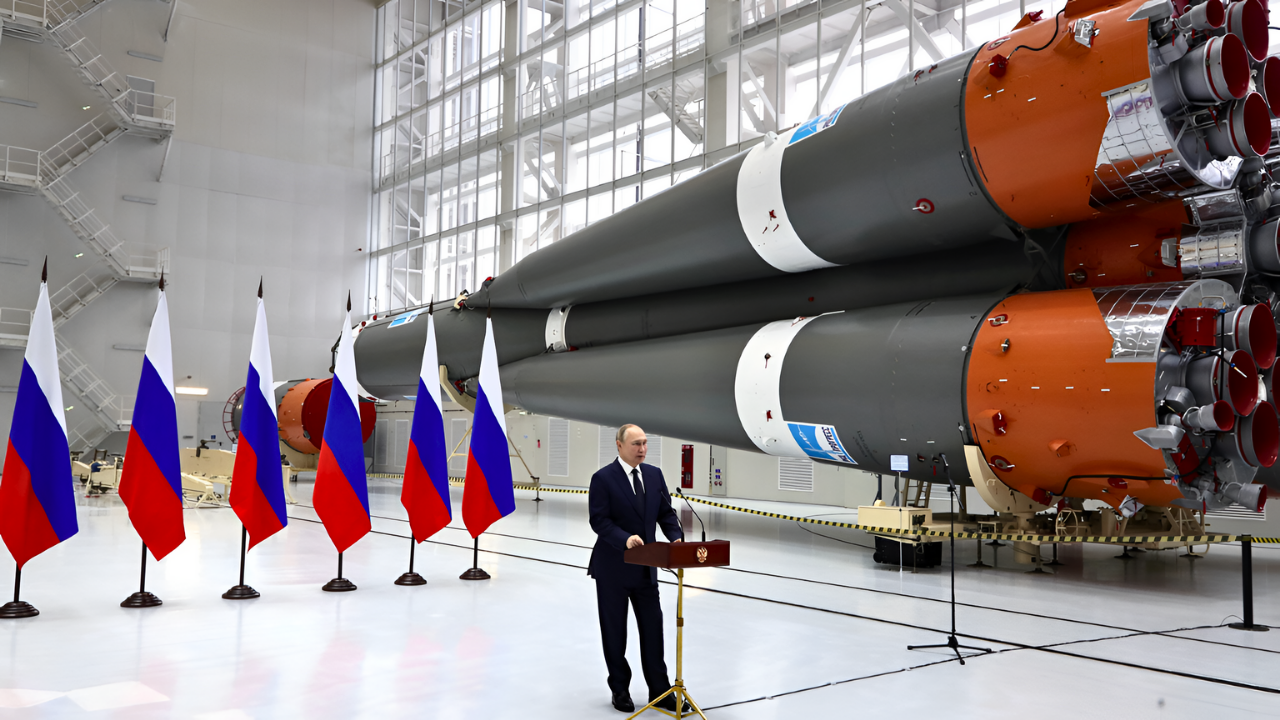
Russia has deployed nuclear-capable Oreshnik hypersonic missiles to the Krichev-6 airbase in eastern Belarus, bringing one of its most advanced strike systems to NATO’s immediate frontier. Belarusian President Alexander Lukashenko has said no more than about a dozen missiles will be based there under the Union State security treaty, which entered into force in March 2025. The stationing effectively turns Belarus into a forward launch area for Russian strategic weapons at a moment of heightened confrontation with the West.
Moscow presents the move as a response to long-running tension with NATO, the war in Ukraine, and the dismantling of Cold War-era arms control limits. Russian President Vladimir Putin has publicly described Oreshnik as impossible to intercept and highly destructive even when equipped with a conventional warhead. By placing the system in Belarus, Russia is signaling to Western governments that any further escalation around Ukraine or long-range arms supplies now carries risks much closer to the heart of Europe.
Impact on Europe’s Security Calculus
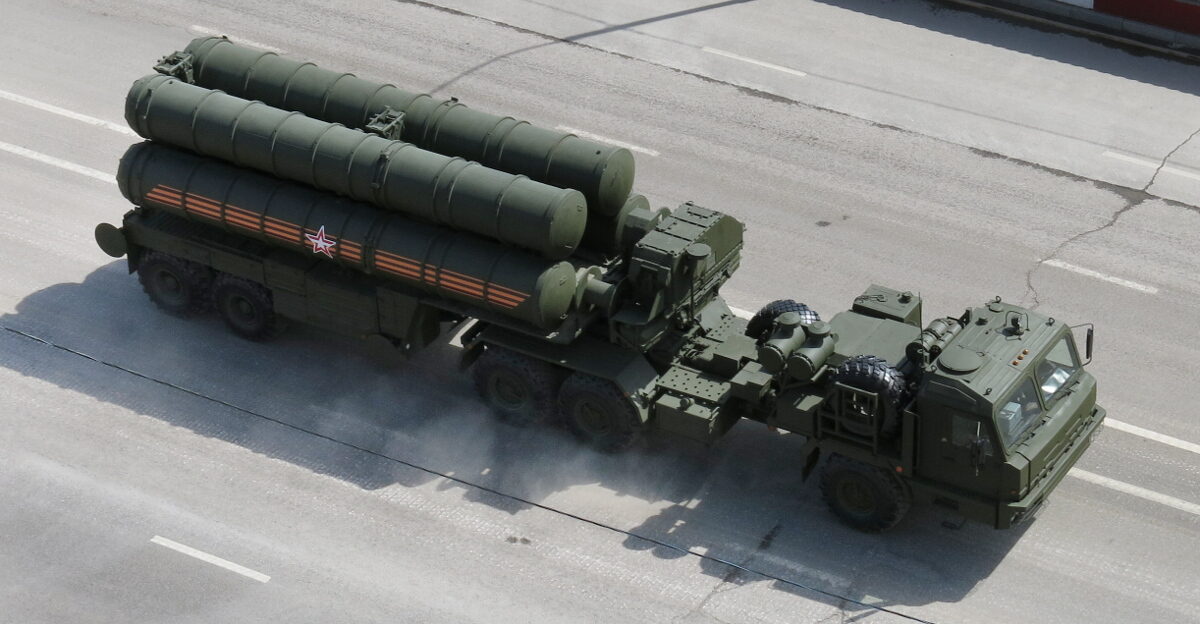
Oreshnik’s presence in Belarus significantly shortens warning times for European capitals. Traveling at speeds reported to exceed Mach 10, the missiles could reach cities such as Warsaw or Berlin in roughly 8 to 10 minutes, and Brussels in about 17 minutes, according to analyst estimates. With a stated range of up to 5,500 kilometers, the system brings nearly all of Europe within potential reach, reshaping calculations around crisis management and emergency preparedness across NATO countries.
The deployment arrives as European leaders are already confronting sabotage, espionage, and cyber operations attributed to Russia. German Chancellor Friedrich Merz has warned that these activities, combined with advanced weapons on NATO’s borders, form part of a broader pressure campaign affecting the entire continent. Ukrainian officials have also voiced concern, arguing that the missile’s reach increases the leverage Moscow holds over European cities, even as Russian officials insist the deployment is defensive.
Why Oreshnik Worries Military Planners
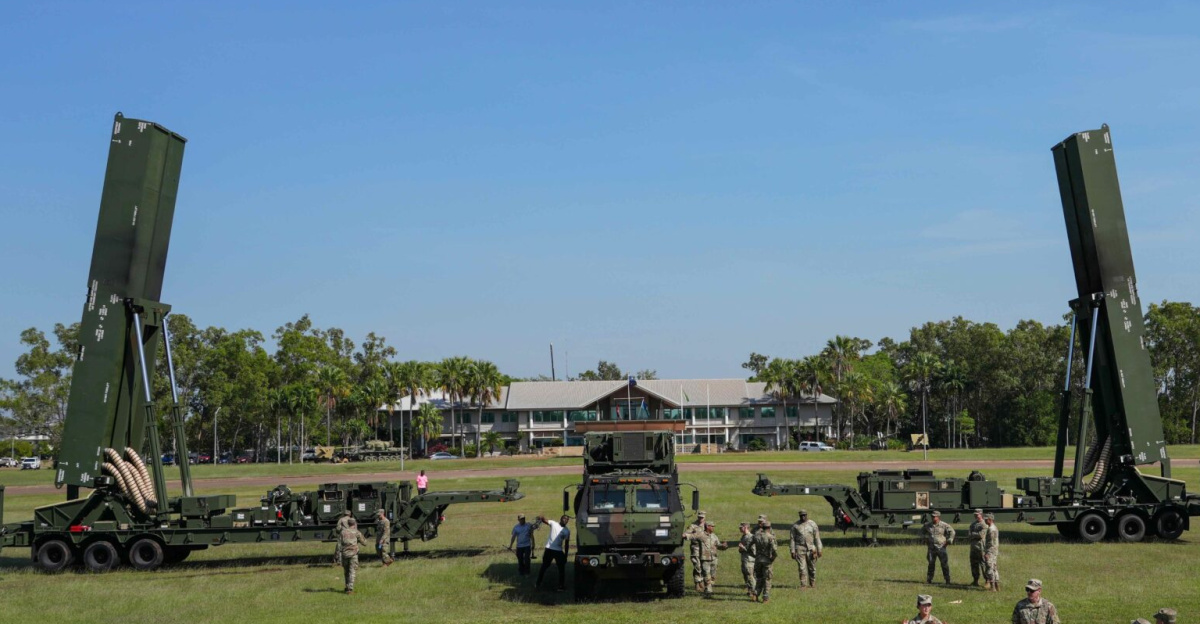
Oreshnik’s main challenge to NATO defenses lies in the combination of speed and maneuverability. Unlike traditional ballistic missiles that follow more predictable paths, Oreshnik travels at hypersonic velocity while capable of altering its trajectory, complicating tracking and interception. Russian officials claim that the system cannot be shot down, a contention Western experts do not fully endorse but treat as a serious warning about gaps in current defenses.
The missile has already been used in combat. In November 2024, Russia carried out a confirmed strike in Ukraine using a conventionally armed Oreshnik, demonstrating that the system had moved beyond testing into operational use. The period from that first battlefield employment to forward, nuclear-capable deployment in Belarus under the Union State treaty was only around four months, an unusually rapid progression for a strategic system. This speed has intensified concern that new-generation weapons are being fielded faster than defensive measures can keep pace.
How the Deployment Was Detected
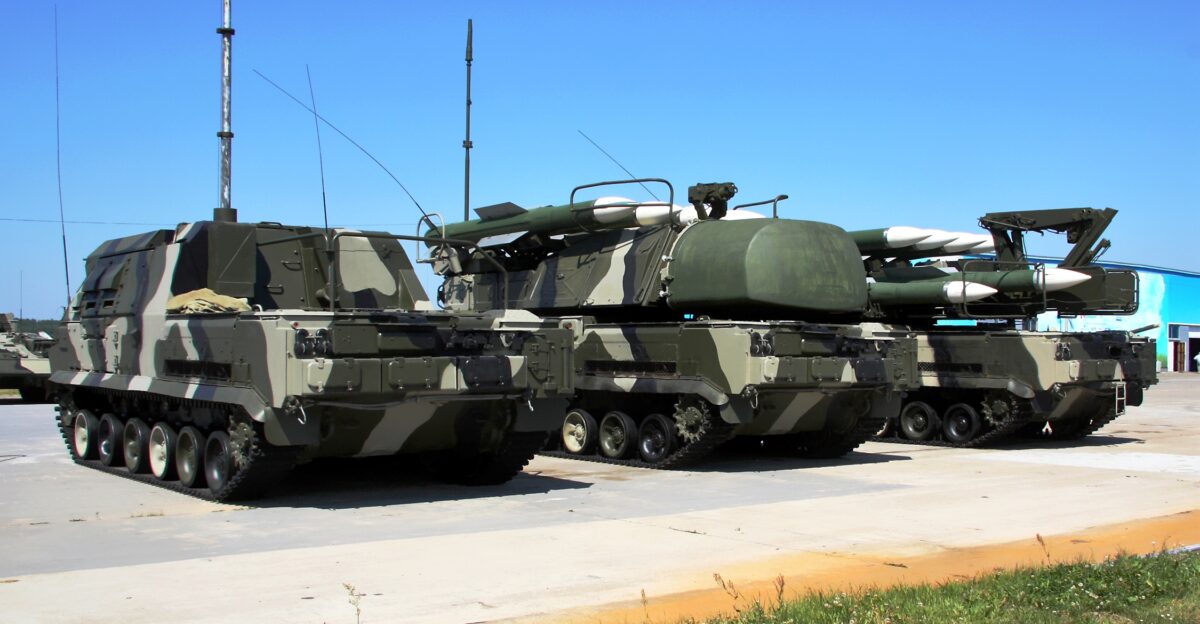
The stationing of Oreshnik in Belarus was first corroborated through commercial satellite imagery. Analysts at the Middlebury Institute and CNA reviewed pictures from Planet Labs that matched video showing new construction, equipment movement, and launcher activity at the Krichev-6 site in November. This constitutes the first publicly documented instance of Oreshnik missiles being placed on combat duty outside Russian territory.
The episode underscores how commercial space technology has become central to revealing sensitive military developments that once stayed hidden. Publicly available imagery and open-source analysis now allow researchers to track changes at bases like Krichev-6, providing governments, markets, and the general public with near-real-time insight into deployments with major strategic implications.
Belarus’s New Role and Wider Risks

For Belarus, the missile deployment deepens involvement in the confrontation surrounding Ukraine without committing ground forces. Hosting nuclear-capable hypersonic weapons positions the country as a key link in Russia’s strategic posture and places Belarusian territory firmly on NATO’s list of high-priority targets in any future conflict. Minsk portrays the move as a contribution to joint security, but it shifts Belarus’s role from buffer zone to front-line launch area.
Russian officials link the timing of the deployment to a claimed Ukrainian drone operation against President Putin’s residence in the Valdai area of the Novgorod region, alleging that around 90 drones were involved. Ukraine rejects the accusation. Whether or not that incident was decisive, the narrative in Moscow casts the Belarus deployment as deterrence and retaliation rather than escalation, adding a charged political dimension to an already consequential military decision.
Across Europe, the presence of hypersonic missiles on NATO’s border is expected to accelerate investment in air and missile defenses. Governments are examining options that include enhanced tracking systems, additional early-warning satellites, hardened infrastructure, and experimental interceptors designed specifically for hypersonic targets. Analysts suggest that adapting to compressed warning times and more complex flight paths could drive spending into the tens of billions of dollars over the long term.
The effects are not purely military. Belarus occupies a strategic position along energy pipelines and transport routes connecting Russia to the European Union. Stationing nuclear-capable missiles near these corridors may raise perceived risk for infrastructure, logistics hubs, and cross-border trade. Insurers and shipping companies could respond with higher risk premiums, increasing transport and energy costs, particularly for neighboring states such as Poland and the Baltic countries.
At the local level around Krichev-6, the deployment has brought construction work, tougher security, and specialized training for Russian and Belarusian troops. A flag-raising ceremony in late December marked the unit’s shift to full combat duty. Residents in nearby communities now live with both the economic stimulus of an expanded base and the knowledge that they are next to a highly valuable military objective in any future clash.
The move has also revived debates over arms control in Europe. With treaties limiting intermediate-range systems no longer in force, weapons like Oreshnik compress decision times and heighten the risk of miscalculation. Critics contend that placing nuclear-capable missiles close to borders increases the chance that incidents spiral out of control, while supporters argue that such deployments are a necessary response to evolving threats and technologies.
The deployment could influence assessments of geopolitical risk, particularly in energy and regional equities. For many European citizens, however, the most immediate impact is psychological: living within minutes of a potential strike alters perceptions of safety and raises pressure on governments to modernize warning systems, shelters, and public guidance.
With Oreshnik now on combat duty in Belarus, Europe enters a security environment defined by hypersonic speed and sharply reduced reaction times. This first forward nuclear-capable deployment under the 2025 Union State treaty, and the first placement of the system outside Russia, will test how NATO, Moscow, and Minsk manage a standoff shaped by new technology, fragile deterrence, and the absence of robust arms-control frameworks.
Sources:
“Russia deploys hypersonic Oreshnik missiles in Belarus amid Europe tensions.” Al Jazeera, 31 Dec 2025.
“Russia has used its hypersonic Oreshnik missile for the first time. What are its capabilities?” Associated Press, 10 Dec 2024.
“Belarus-Russia Union State treaty on security guarantees comes into force.” Belta (Belarus Telegraph Agency), 13 Mar 2025.