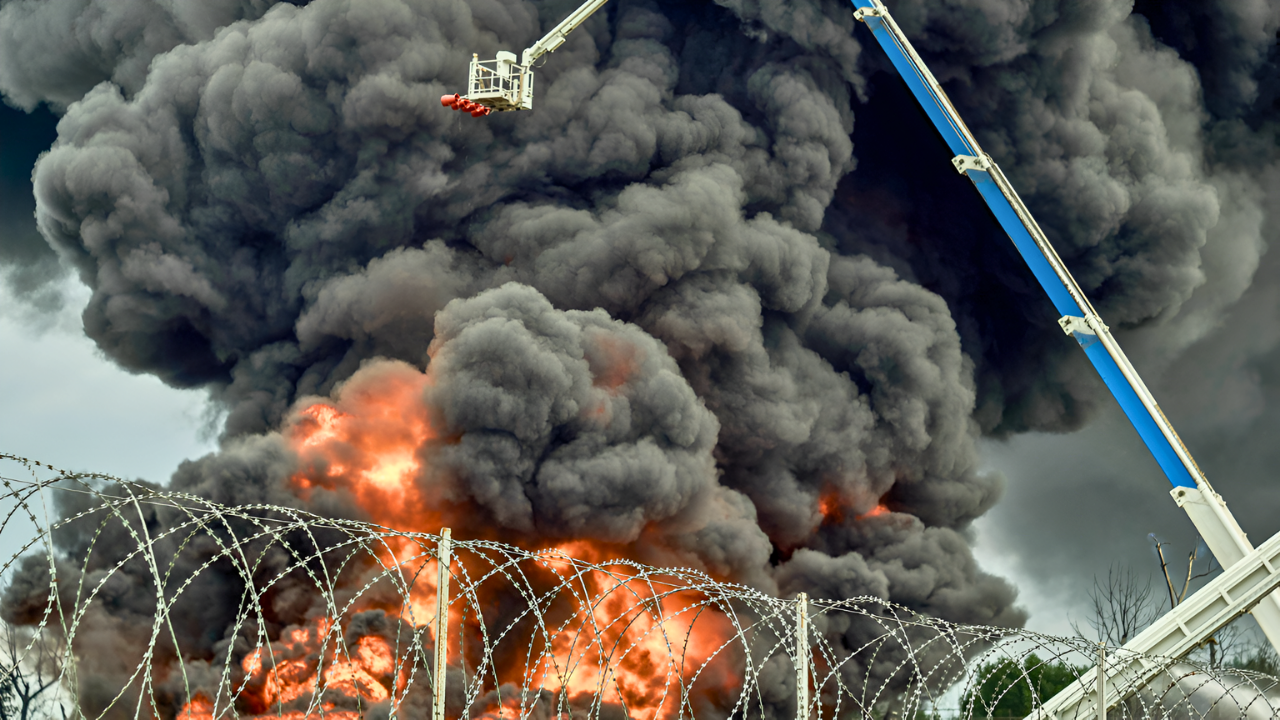
Somewhere near Oryol, Russia, residents awoke to the thunder of explosions and the sight of debris raining onto their homes. The war in Ukraine, once distant for many Russians, had arrived in their neighborhoods. This was the work of Ukraine’s new Flamingo cruise missile—a weapon that shattered assumptions about the reach and intensity of the conflict.
Flamingo: Ukraine’s Homegrown Long-Range Threat

The Flamingo cruise missile marks a turning point in Ukraine’s defense strategy. Developed entirely within Ukraine under the constant threat of Russian attacks, the missile boasts a range of 3,000 kilometers and carries a warhead weighing over a metric ton. Unlike Western-supplied missiles, which come with usage restrictions and require allied approval, the Flamingo is controlled solely by Ukraine’s military. This independence allows Kyiv to strike targets deep inside Russian territory without external constraints, fundamentally altering the balance of power.
The missile’s capabilities were demonstrated in a coordinated operation on November 13, 2025. That night, Ukraine’s General Staff launched Flamingo missiles alongside Bars and Liutyi drones, targeting dozens of sites across occupied Crimea, Zaporizhzhia Oblast, and into Russia itself. The operation lasted for hours, leaving Russian authorities scrambling to assess the damage and respond.
Strategic Targets: Disrupting Russia’s War Machine
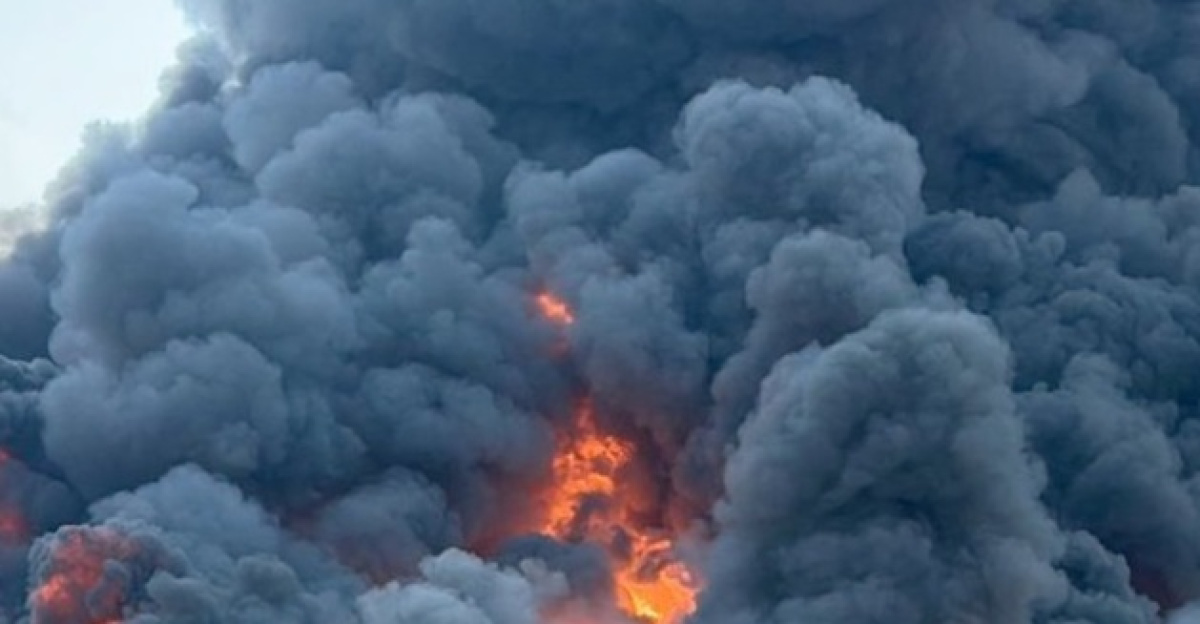
Among the primary targets was the Morskoy Neftyanoy Terminal in Crimea, a vital oil storage facility supplying Russian forces along Ukraine’s southern coast. Ukrainian strikes also hit the Kirovske airfield near Yevpatoriya, destroying infrastructure used to maintain Orion reconnaissance drones. A nearby radar station was silenced, further degrading Russia’s ability to monitor and control the battlefield.
In Zaporizhzhia Oblast, Ukrainian forces struck command posts belonging to Russia’s 5th Combined Arms Army and the 127th Motor Rifle Division. These attacks disrupted communication networks and supply chains, undermining the coordination of tens of thousands of Russian troops. The strikes suggested that Ukrainian intelligence had pinpointed and destroyed critical nodes in Russia’s military infrastructure.
Ukraine’s campaign to weaken Russia’s logistics did not begin in November. Earlier attacks on refineries in Saratov and Novoshakhtinsk had already disabled a significant portion of Russia’s refining capacity. The cumulative effect was felt at petrol stations across Russia, where fuel prices rose sharply, and on the battlefield, where military vehicles faced growing shortages.
Civilian Impact and Russian Response
For the residents of Oryol, a city of 300,000, the Flamingo strikes brought the war home in a new and unsettling way. Explosions lit up the predawn sky, shattering the sense of safety that many Russians had taken for granted. Local officials reported damage to cars and apartment buildings, though no major casualties were immediately confirmed. The psychological impact, however, was profound, as ordinary Russians realized that their cities were now within reach of Ukrainian missiles.
Inside the Kremlin, the strikes triggered a wave of internal friction. Russian defense officials faced mounting pressure to explain how Ukrainian missiles had penetrated air defenses. Analysts estimated that about a quarter of Flamingo missiles reached their targets—a notable success rate for a weapon developed under wartime conditions. The inability to protect Russian territory eroded confidence in the government and fueled competition among security agencies to assign blame.
Controversy and International Involvement
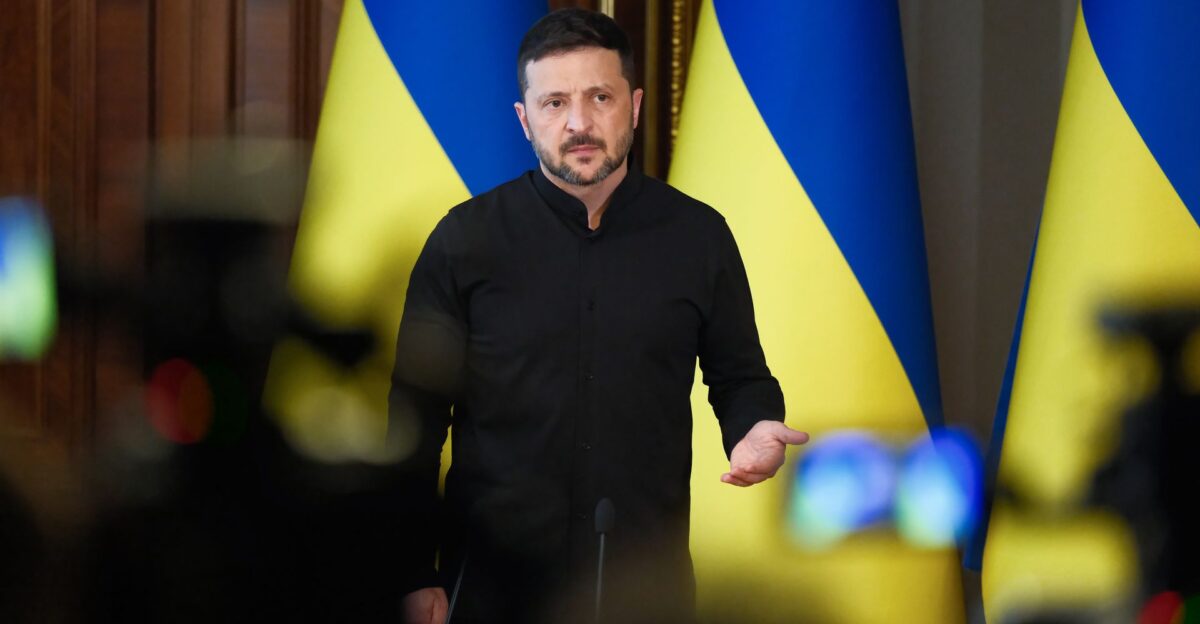
While the Flamingo missile has been hailed as a battlefield success, its manufacturer, Fire Point, has come under scrutiny. Ukraine’s National Anti-Corruption Bureau launched an investigation into the company, examining allegations of inflated component costs and possible links to previous corruption scandals. The probe also looked into connections with businessman Timur Mindich, who had been implicated in earlier controversies.
Amid these developments, Fire Point announced that former U.S. Secretary of State Mike Pompeo had joined its advisory board. The company projected significant revenue growth and plans to expand missile production. Fire Point’s leadership emphasized their commitment to transparency, commissioning an independent audit to address corruption concerns and ensure proper oversight.
Escalation and Uncertain Horizons

As Ukraine’s Flamingo missiles reach deeper into Russian territory, Moscow has intensified its own attacks on Ukraine’s energy infrastructure. Civilian casualties in Ukraine have risen, and widespread blackouts have become common as power plants are destroyed. Each new Russian strike hardens Ukrainian resolve and provides further justification for retaliatory operations.
The Flamingo’s unprecedented range means that all of western and central Russia—including Moscow—are now within reach of Ukrainian strikes. This new reality, born from domestic innovation rather than foreign support, removes the diplomatic levers that once limited Ukraine’s options. For both sides, the stakes have never been higher. As winter approaches, the conflict enters a new phase, marked by escalating long-range attacks and growing uncertainty about what comes next.