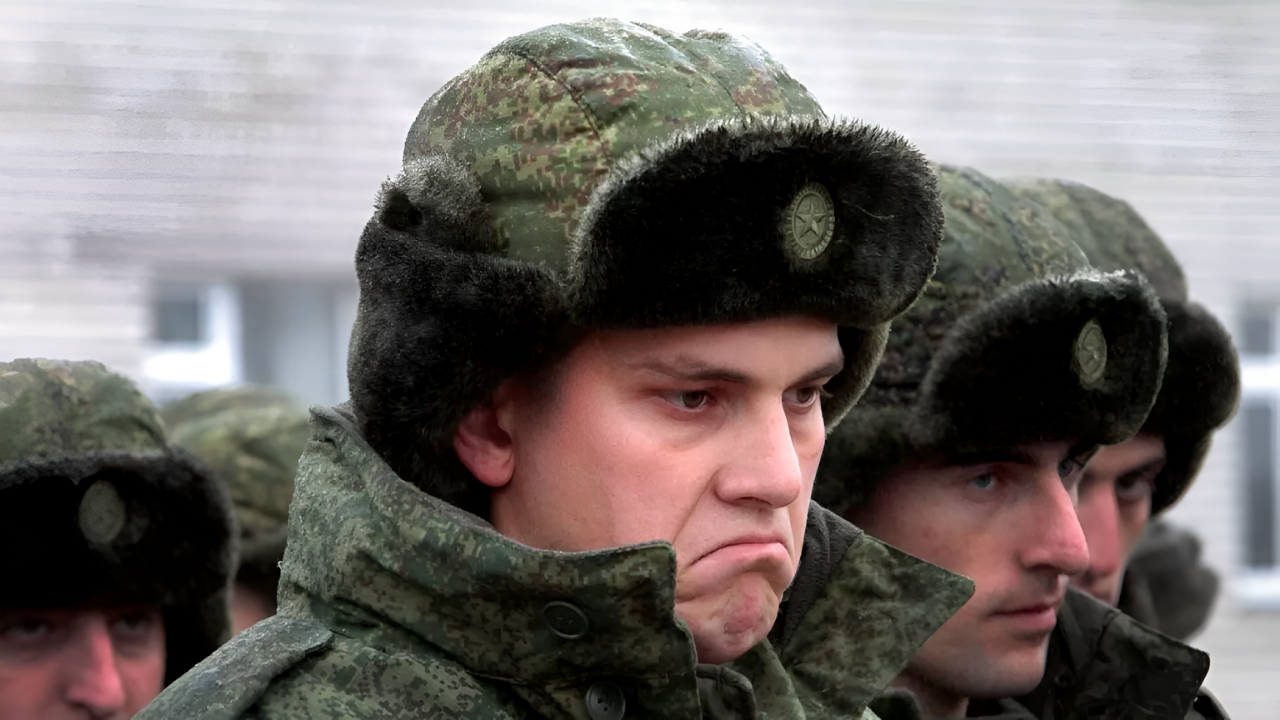
Right now, on frozen Ukrainian battlefields, Russian soldiers continue to fall rapidly. On November 19, Ukraine’s General Staff reported 850 Russian troops killed or wounded in 24 hours—one casualty every 102 seconds.
This relentless pace has already claimed over 1.16 million Russian casualties since February 2022, marking a scale of loss virtually unprecedented in recent military history.
A Loss Greater Than Dallas
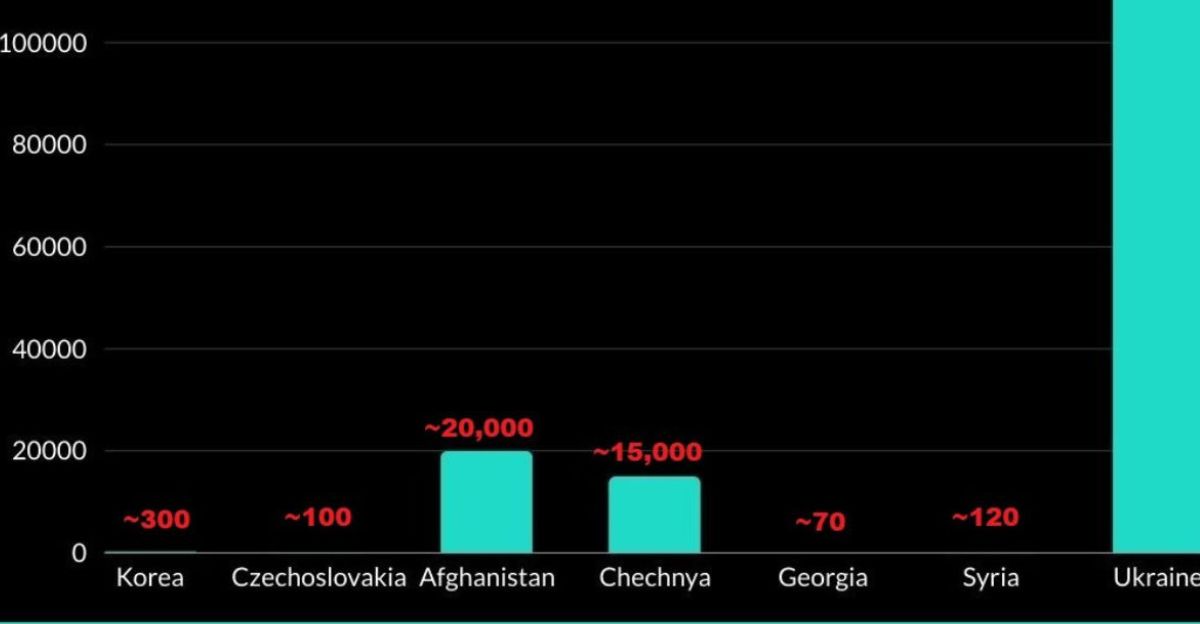
Since Russia invaded Ukraine, its total personnel losses have surpassed the population of Dallas, Texas. Each fallen soldier is more than a number: behind every statistic lies a family affected by grief. The cumulative toll—now exceeding 1.16 million—surpasses the population of many major American cities, underscoring the conflict’s profound human impact.
Military demographers note that this represents approximately 3-4% of Russia’s active military personnel each year.
Tank Attrition Breaks Records
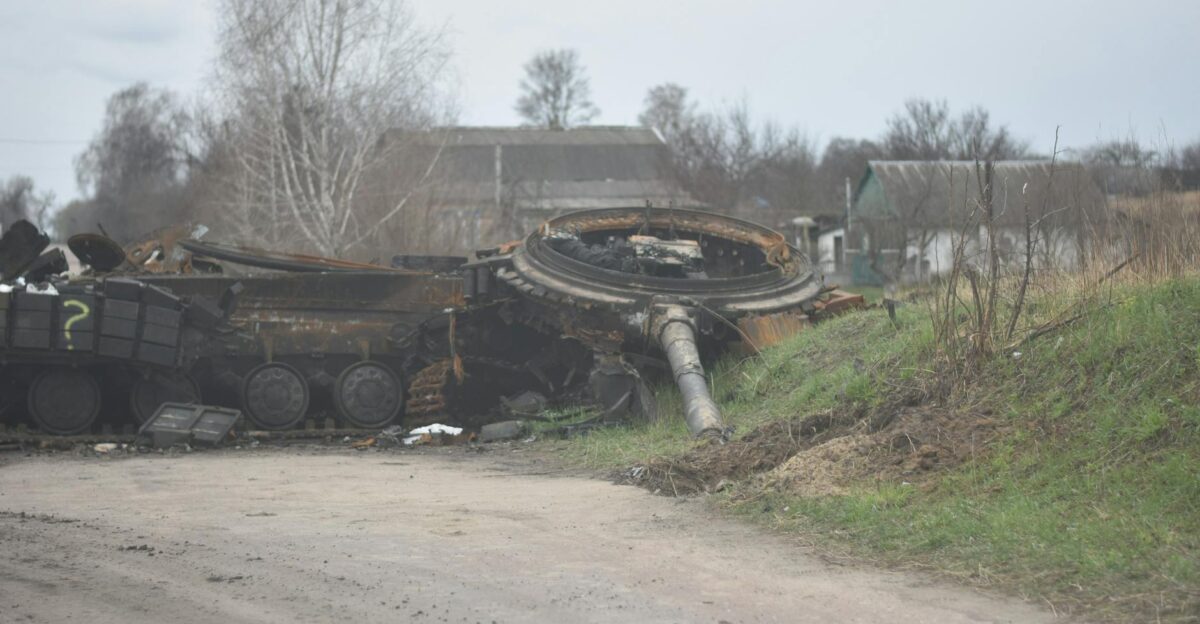
Russia has seen approximately 11,356 tanks destroyed since the war began—nearly double the entire active U.S. Army’s tank inventory of around 6,000. This is the highest tank attrition rate seen since World War II. Every lost tank also means the loss of its crew.
Russia’s armored capabilities have been diminished at unprecedented rates, forcing Moscow to deploy increasingly older, Soviet-era equipment.
Russia’s Critical Storage Crisis

Open-source intelligence reports Russia has withdrawn some 4,800 tanks from storage depots for repair or combat. Satellite imagery now indicates only 92 tanks are left in usable storage—a 98% depletion. This shortage significantly limits Moscow’s ability to maintain or intensify its offensive strategy. Russia’s strategic reserves have nearly disappeared.
Defense analysts warn that this depletion timeline suggests Russia cannot sustain current operational tempos beyond mid-2026 without domestic production increases.
Unprecedented Drone Losses
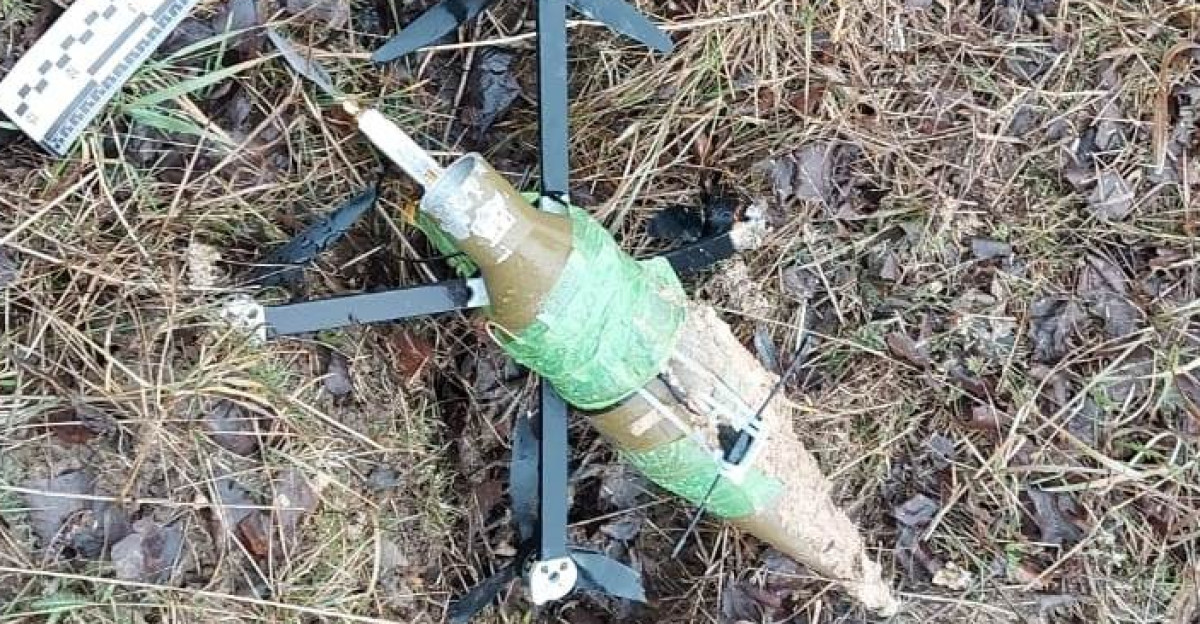
Russia has suffered over 84,000 operational and tactical UAV losses since early 2022. On some days, more than 400 drones have been shot down. No previous conflict matches this scale of drone attrition, symbolizing the new era of unmanned combat. Ukraine’s defense forces have made Russia’s skies a graveyard for drones.
Each destroyed UAV represents significant technological capability and production capacity that takes months to replace.
The $166 Billion Price Tag

Ukrainian estimates place the value of Russia’s destroyed equipment between $61 billion and $166 billion. While higher figures aren’t independently confirmed, tank losses alone—at $300,000 to $450,000 each—already exceed $3.4 billion. Including vehicles, artillery, aircraft, and missiles, Russia’s material losses are staggering and unprecedented.
This sum approximates Russia’s entire annual defense budget in some years, illustrating the unsustainable economic burden.
A Pattern, Not a Spike
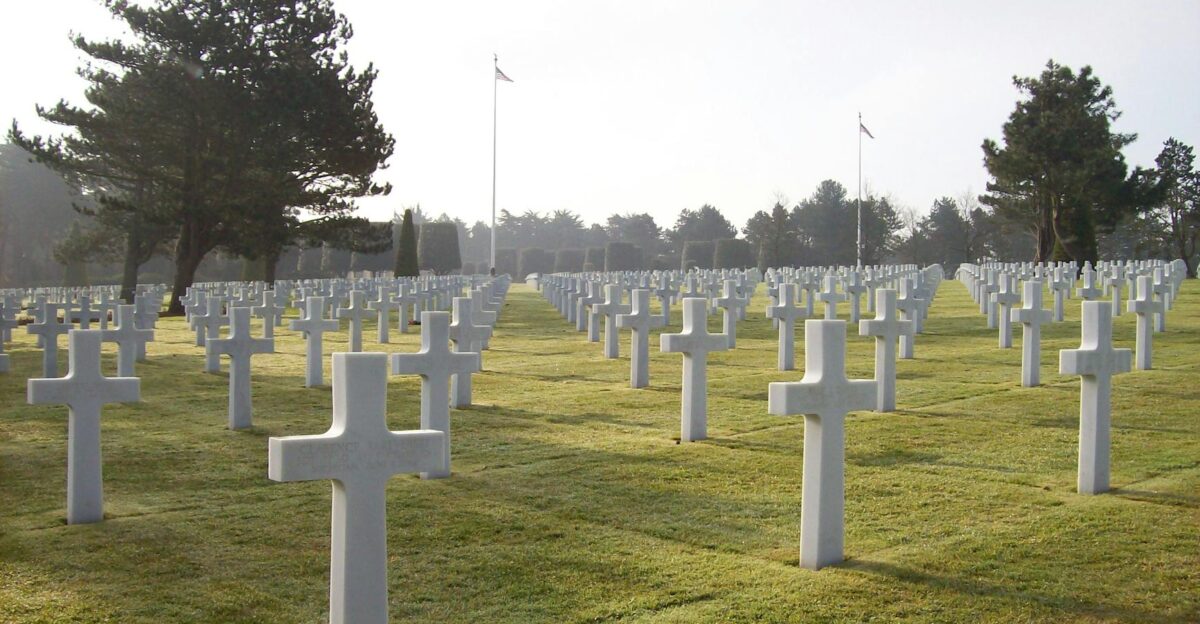
The casualty toll on November 19 wasn’t a rare peak; it fits a rising pattern. Just days earlier, on November 17, 1,160 reported casualties were reported. The cumulative total is set to reach 1.2 million within weeks. Daily casualty rates continue to climb, representing persistent, industrial-scale attrition with no signs of slowing down.
Recent trends suggest that casualty rates may exceed 1,000 per day by year-end.
More Losses Than Iraq’s Peak

During the most intense months of the Iraq War, U.S. fatalities averaged about 4 per day. By contrast, Russian losses from Ukraine are roughly 850 per day—nearly 85 times higher—sustained across almost four years.
This astronomical daily toll far exceeds what was seen in other major modern wars. The combination of duration and intensity creates historically unique casualty dynamics.
Western Intelligence Corroborates Ukrainian Figures

According to the Center for Strategic and International Studies (CSIS), Russia will likely reach 1 million cumulative casualties by the end of 2025, with about 250,000 deaths. These estimates align with the Ukrainian General Staff’s assessments, and Western agencies broadly support these numbers. Independent intelligence adds credibility to Ukraine’s claims.
NATO analysts have validated casualty trends through intercept analysis and signals intelligence.
Independent Verification From Mediazona and BBC

Open-source work by Mediazona and the BBC has confirmed more than 135,000 Russian military deaths. Their data draws from public sources, so the actual tally is likely much higher.
External documentation provides baseline credibility for casualty reports, ensuring headline figures don’t rely solely on official Ukrainian reporting. This methodology prevents overcounting while establishing conservative minimums.
Enduring Family Grief

Hundreds of Russian families receive casualty notices daily. Behind the statistics are mothers, wives, and children who mourn soldiers lost to war. The societal toll from the relentless stream of deaths grows each day. The impact stretches beyond battlefields, shaping the lives of civilians across Russia.
Russian social media increasingly reflects grief-stricken communities processing unprecedented loss across regional boundaries.
Logistical and Supply Chain Burdens

On November 19, Ukraine reportedly destroyed 56 Russian vehicles and tankers—vital supply assets. Damaging fuel and supplies slows Russian advances. Ukrainian forces continuously target logistics to weaken Russia’s operational capabilities, compounding both daily equipment and personnel losses.
Logistics destruction directly correlates with reduced frontline effectiveness and increased casualty rates.
Attrition Unseen Since WWI
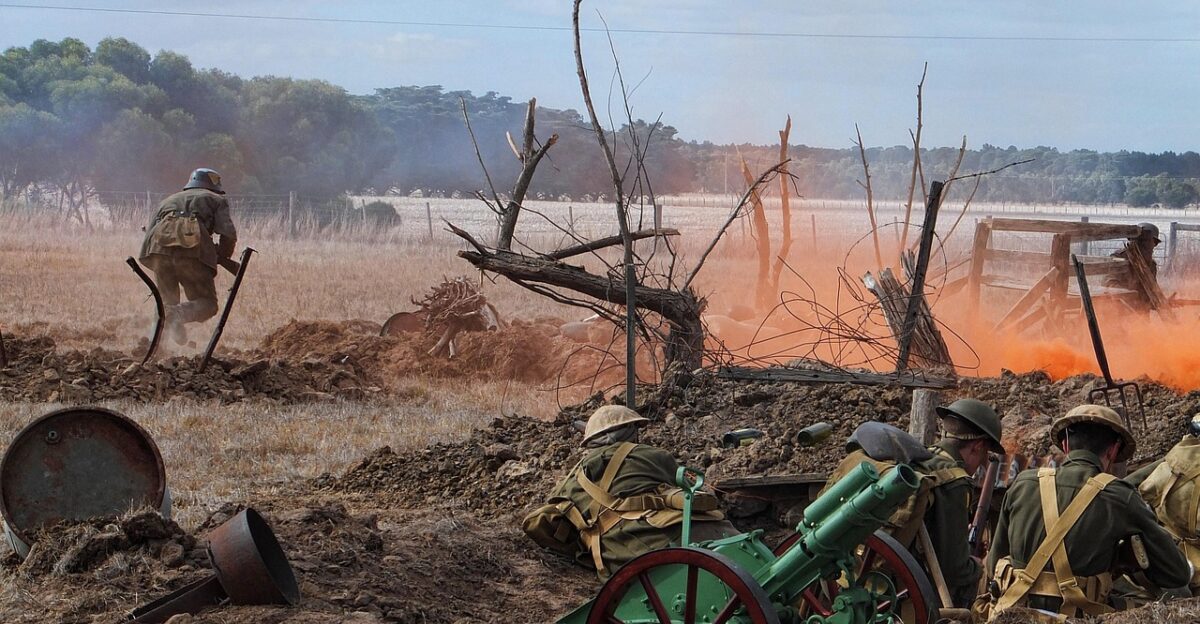
Russian casualty rates mirror the intensity of World War I’s “meat-grinder” battles at the Somme and Verdun. Military experts believed such mass losses were a relic of history, yet Ukraine has seen industrial-scale attrition return.
The conflict’s ferocity challenges long-held military assumptions about human cost. Modern defensive technology, combined with entrenched positions, has recreated conditions that favor attritional warfare.
Why Russia’s Losses Baffle Experts
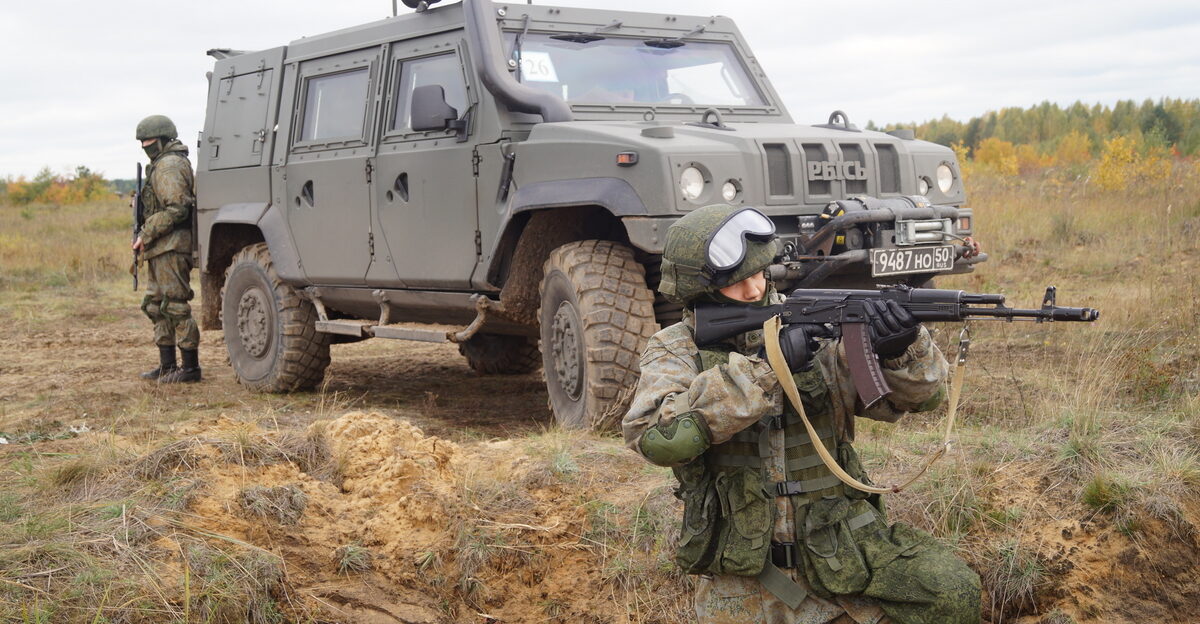
Analysts worldwide are perplexed by Russia’s ability to sustain 850 casualties a day after nearly four years of war. Questions remain about how Moscow maintains its offensive capabilities despite mounting casualties.
Some speculate that Russian manpower pools far exceed Western predictions, perpetuating the fight through sheer numbers. Mobilization capacity and demographic reserves remain key variables intelligence communities monitor.
The Road Ahead for Russia
As winter returns to Ukraine, Russia’s grinding losses persist. Equipment destruction accelerates, and daily casualties remain high. The families grieving across Russia signal that the conflict’s cost is unprecedented for any major power in recent times.
What comes next remains uncertain, but relentless attrition is guaranteed. Strategic sustainability questions now dominate discussions on defense policy globally.