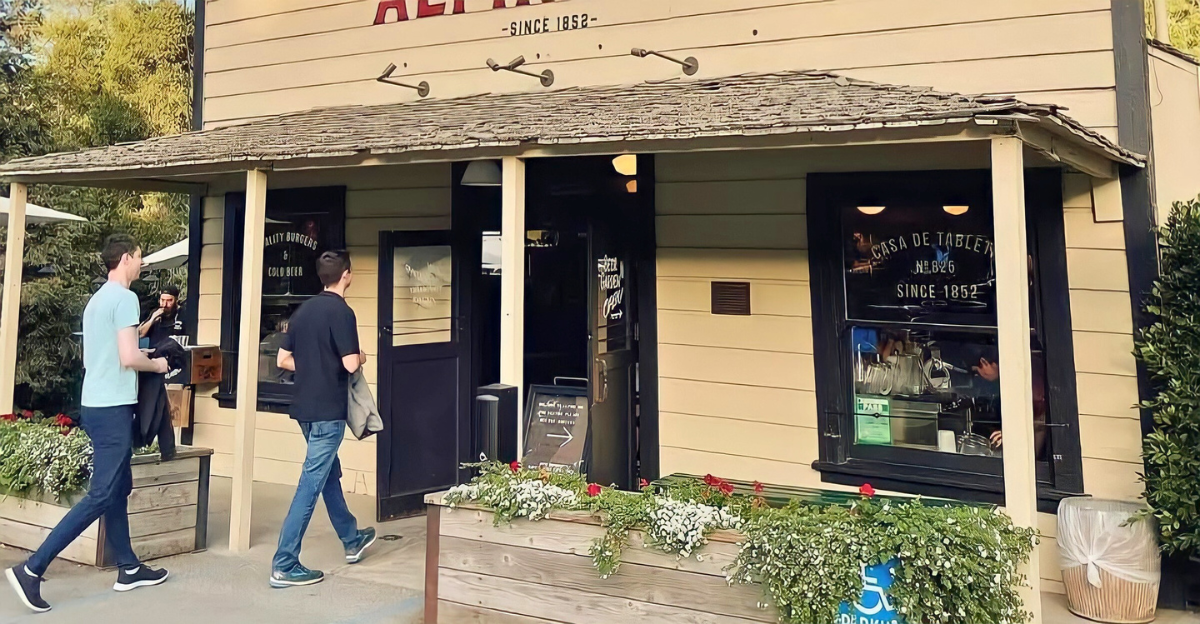
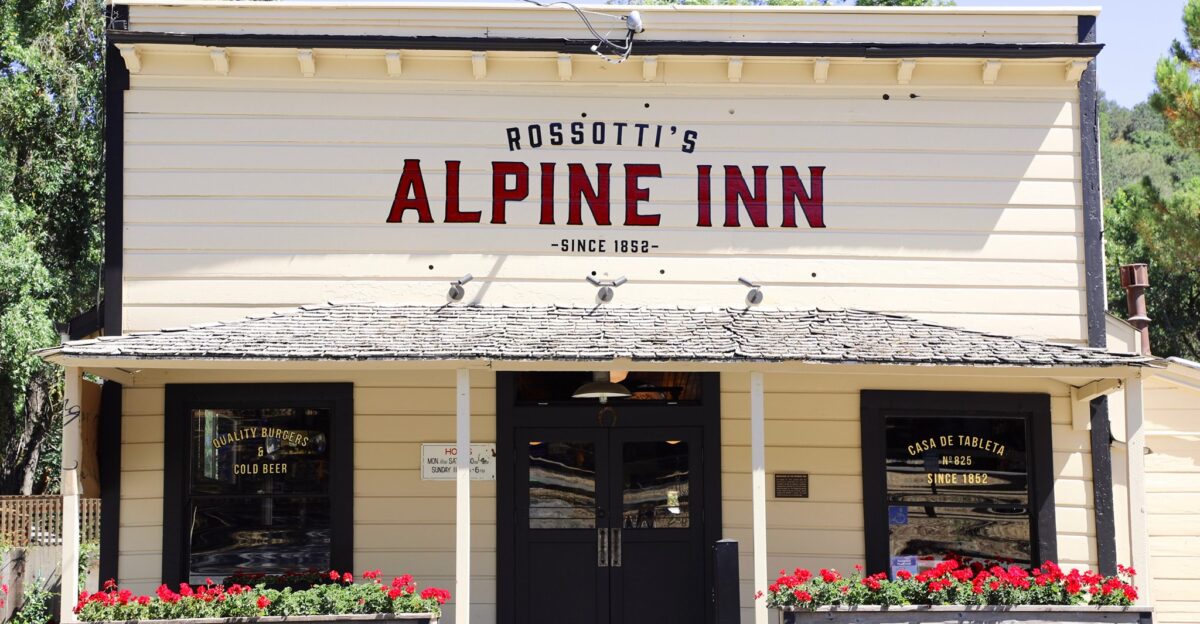
Portola Valley’s Alpine Inn has become a local phenomenon, blending 173 years of history with a modern business success story.
Once a dusty roadhouse, it now attracts families, tech workers, and outdoor enthusiasts from across Silicon Valley.
According to SFGate, its annual revenue recently reached $12 million. Stanford hospitality expert Dr. Mark Tanner notes, “Historic venues like Alpine Inn anchor a community’s identity.”
Buzz in the Bay Area
Media coverage grew as Alpine Inn’s business boomed, prompting widespread speculation about large profits and unexpected financial windfalls.
Many local residents and social media commentators believed the owners would cash in quickly. Yet, this narrative misses the complexity behind running a historic tavern at scale.
Economist Linda Chang cautions, “Revenue does not always equal profit—especially in the restaurant sector.”
An Enduring Landmark
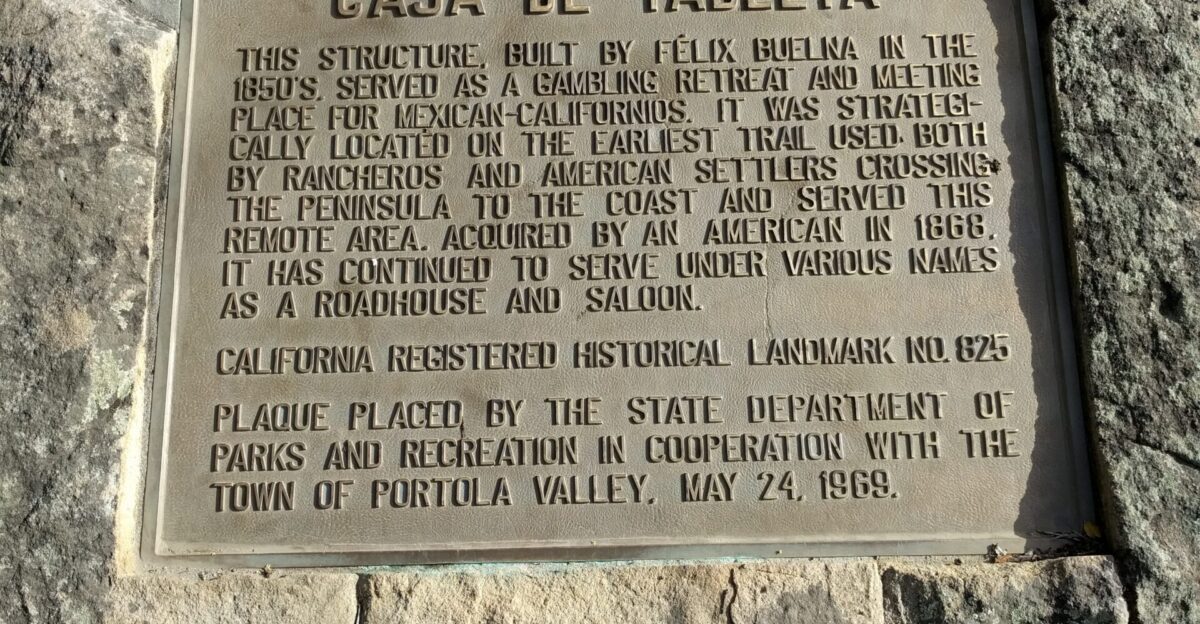
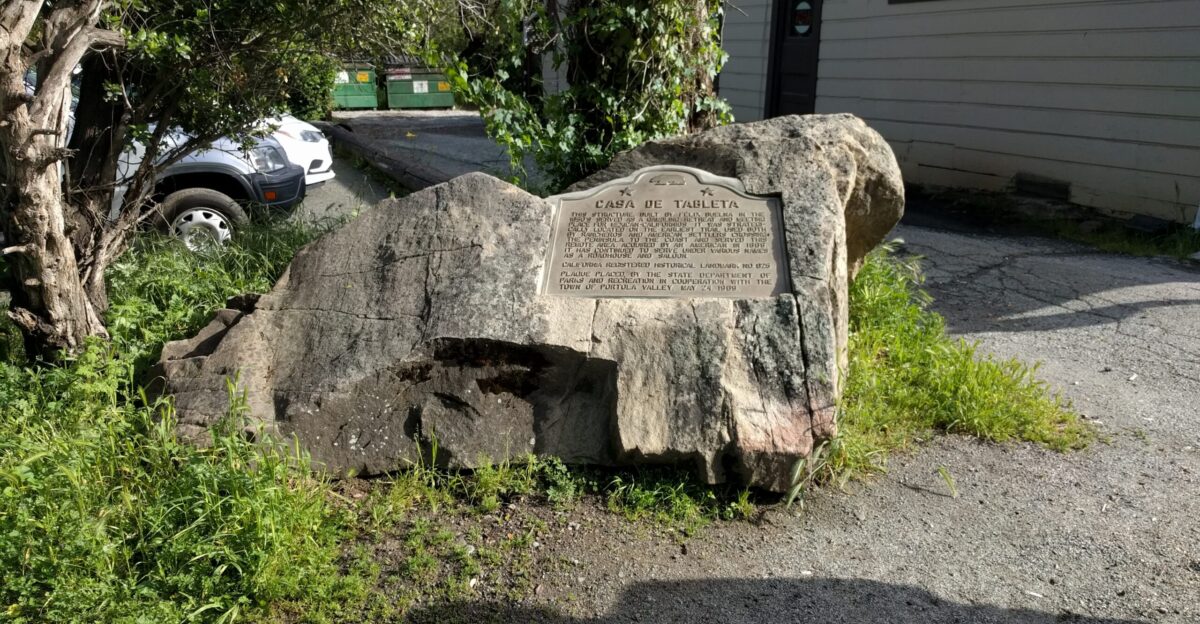
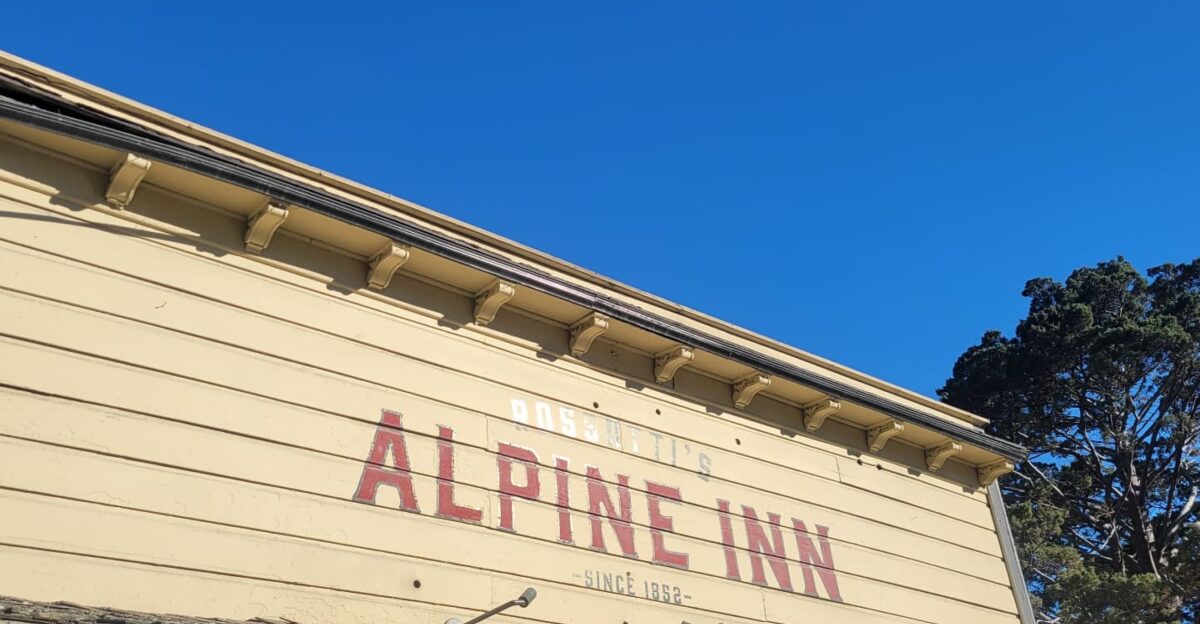
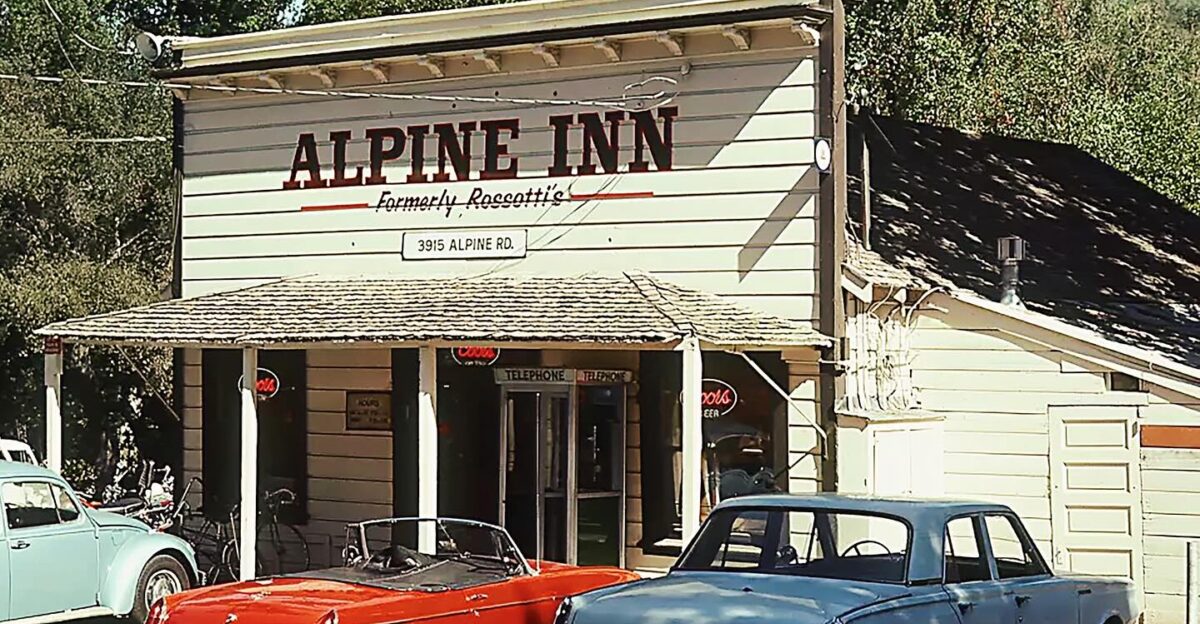
Alpine Inn was founded in 1852 as Casa de Tableta, making it California’s second-oldest continually operated tavern. Over the decades, it survived wildfires, Prohibition, Silicon Valley’s rise, and shifting consumer tastes.
Historian Alan Hess explains, “Preserved taverns help communities understand generational change—they’re living museums that serve lunch.” The inn’s layered story is essential to local heritage.
Ownership & Vision
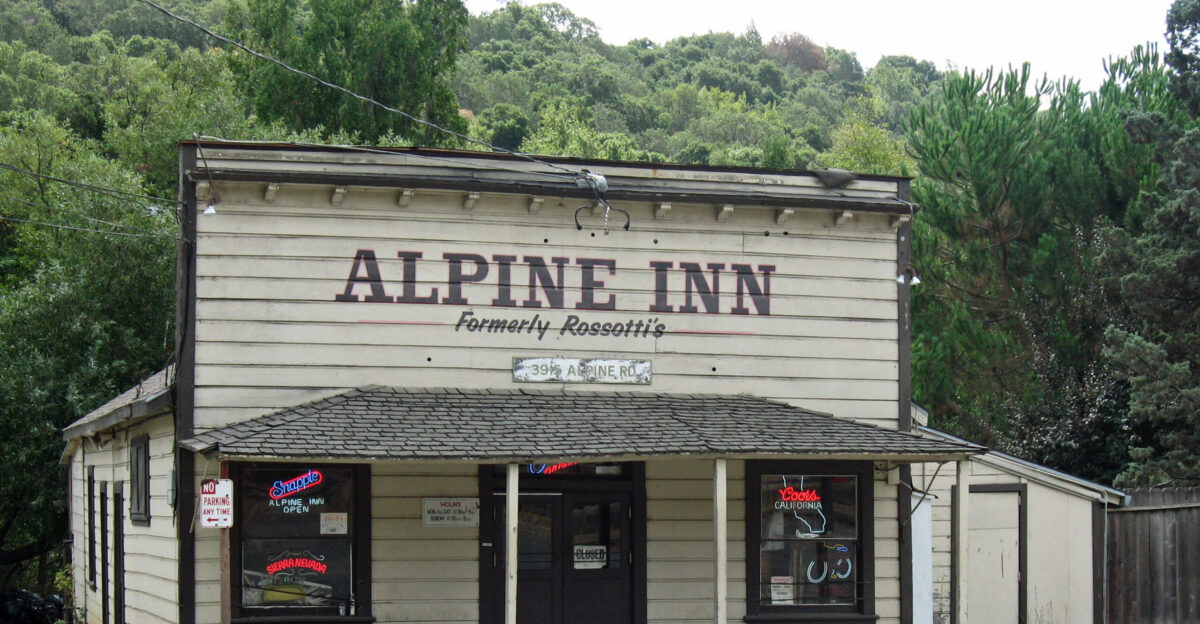
Concerns about closure led three local families and restaurateur Greg St. Claire to purchase Alpine Inn in 2018. Their goal was not just profit, but preservation.
Co-owner Lori Hunter told SFGate, “We wanted to save Alpine Inn for the next generation.” Real estate expert John MacLaren adds, “Community-based ownership keeps historic businesses flexible and resilient.”
Surging Revenue Unveiled
Alpine Inn’s annual haul hit $12 million—a figure rarely seen for independent taverns in the Bay Area. This achievement doubled initial projections and became a subject of industry analysis.
SFGate reported, “The tavern raked in $12 million last year.” Hospitality analyst Janet Cheung notes, “Such growth often results from targeted upgrades and strong community ties.”
Silicon Valley Magnet
Once sleepy and mostly rural, Portola Valley now draws tech workers, families, and Stanford students to Alpine Inn’s creekside garden.
Demand increased staffing from 65 to 140 during peak months. Local News Matters writes, “The Alpine Inn is a top draw for outdoor enthusiasts, hikers and bikers.” Tourism consultant Paul Ridley calls it “a model for heritage destination success.”
Generations Gather
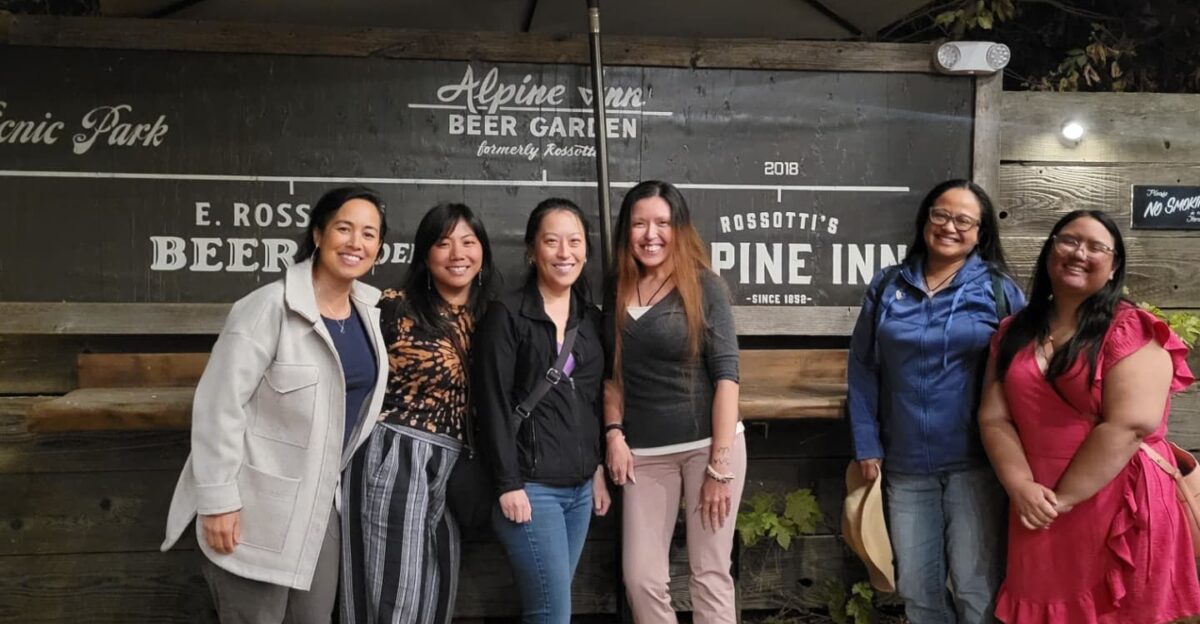
The tavern now hosts everything from graduation parties to casual lunches, carrying on family traditions dating back decades.
“There’s nothing like seeing three, four generations enjoying the space together,” co-owner Lori Hunter told SFGate.
Demographic expert Dr. Ria Olson observed, “These venues become intergenerational gathering points, building social capital.”
Revival Spurs Competition
Other historic Bay Area eateries responded to Alpine Inn’s boom by modernizing their own facilities, expanding patios, and curating larger drink menus.
“Suddenly, beer gardens are packed year-round,” food columnist Brian Chong wrote. Restaurateur Dennis Leary noted, “Competition drives all of us to raise the bar, literally and figuratively.”
Macro Market Shift
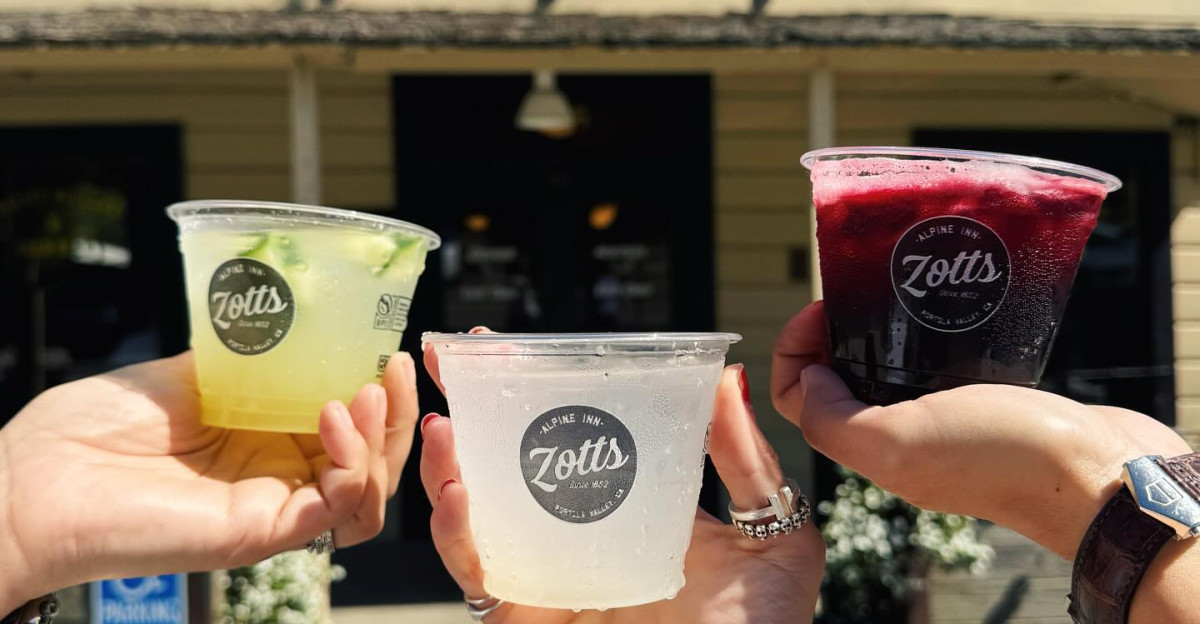
This resurgence mirrors a statewide move toward personalized, experiential dining at iconic locations. Industry journals highlight how revenue increases often follow investments in accessibility, technology, and menu diversity.
Research by Stanford’s Institute for Regional Studies found, “Historic venues upgrading facilities regularly see 27% faster growth post-renovation.”
Owners Reinvest, Take Nothing
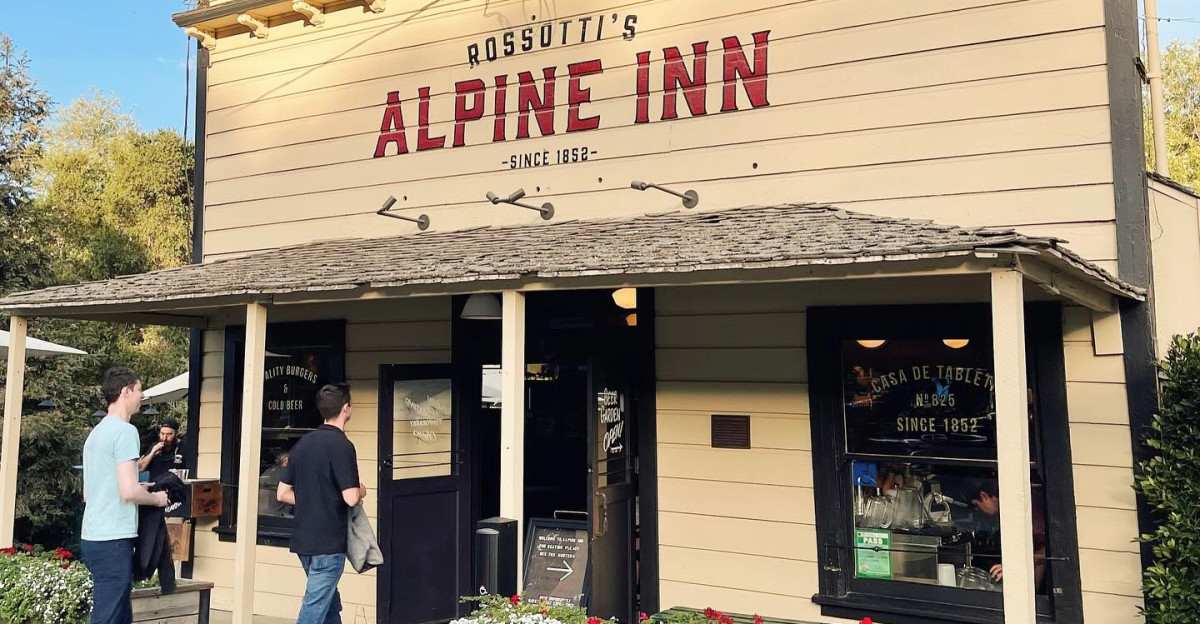
Despite record revenue, Alpine Inn’s owners revealed that neither they nor their partners have taken personal financial payouts.
“The owners haven’t taken a dime out,” Lori Hunter confirmed. Financial analyst Tom Elliott commented, “Reinvestment is common when restoring landmark properties—profit often comes much later.”
Frustation Behind the Scenes
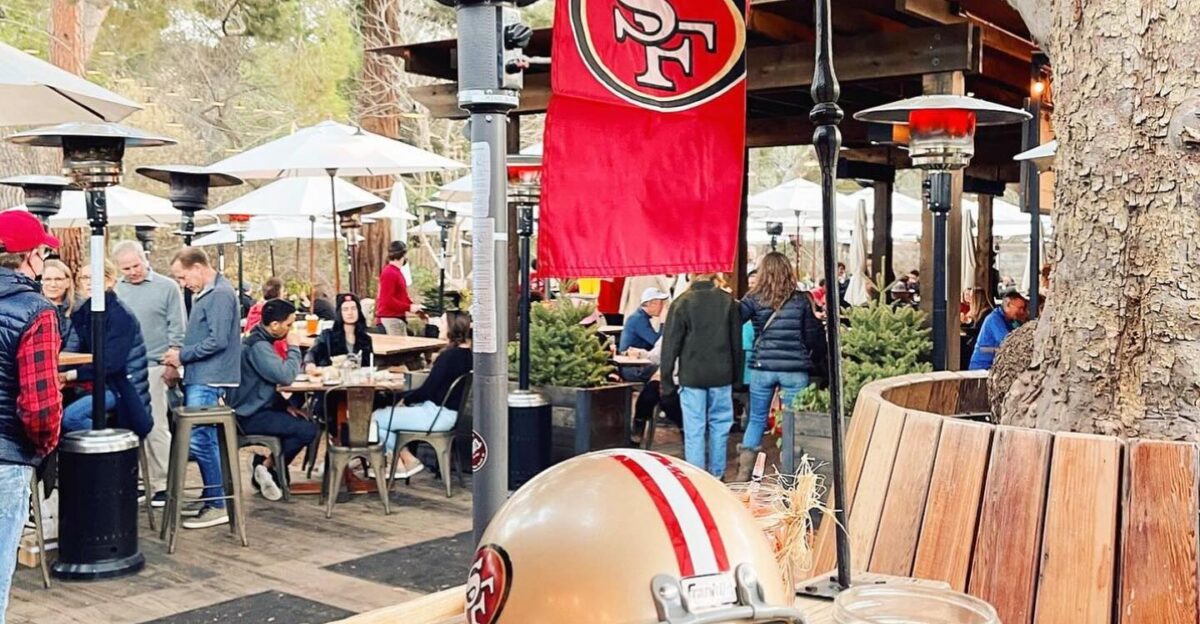
Business insider Greg St. Claire dispelled the myth of instant riches: “Everyone thinks, ‘Oh, these guys are making so much money.’ But it’s been completely poured back in.”
Restaurant experts stress how operational costs and delayed returns remain hidden from media headlines. Chef Michael Reed says, “Owners often work for years before seeing profit.”
Preservation Over Profit
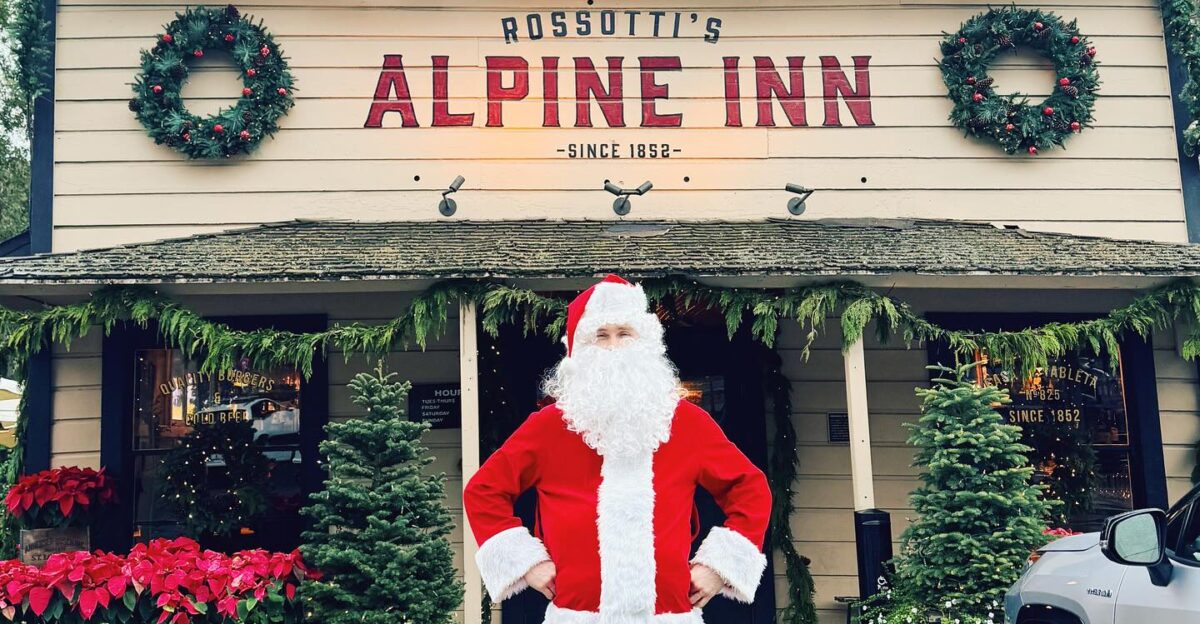
Hunter’s family group and local partners prioritized culture and legacy. “We always said this was about saving something special for the community,” Hunter told Punch Magazine.
Stanford urbanist Alex Torres notes that “preservation-driven owners keep landmarks open through periods of economic difficulty.”
Strategic Upgrades

Recent investments included a major kitchen remodel, expanded outdoor space, electrical upgrades, accessible bathrooms, and more staff.
These moves helped boost reviews and doubled event bookings. “Our summer staff nearly doubled,” Hunter reported. “Upgrades can cost millions,” building consultant Mark Li estimated based on average California renovation budgets.
Expert Doubts, Optimism
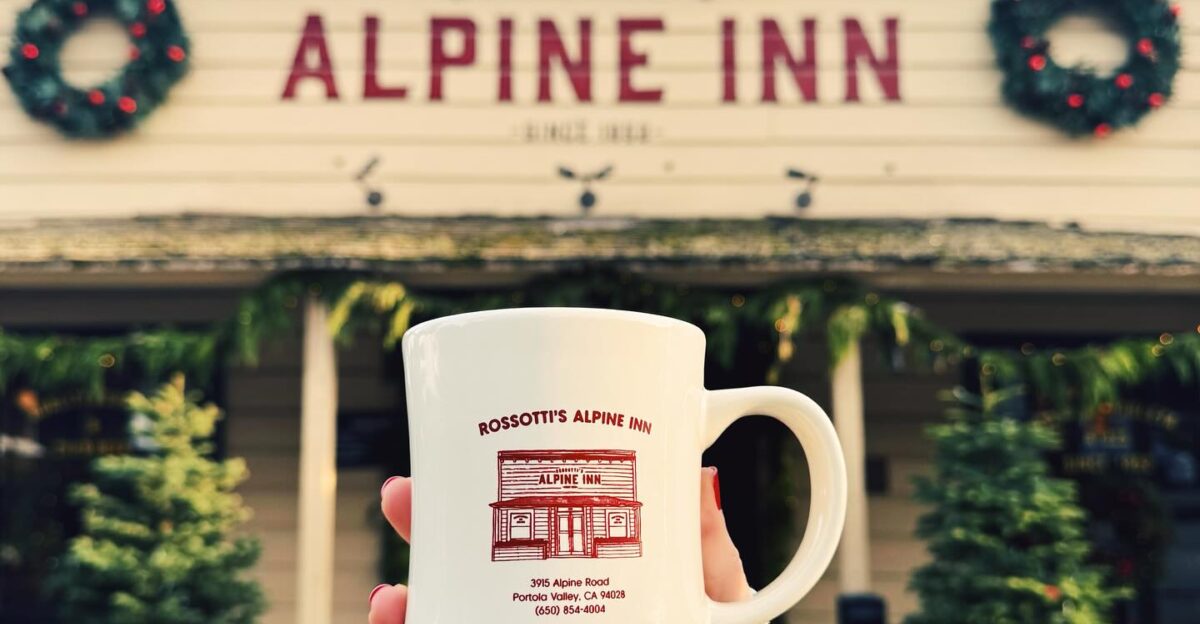
Will reinvestment pay off? Analyst Janet Cheung is cautiously optimistic: “Smart upgrades and a loyal customer base set Alpine Inn up for durable success.”
Economist Linda Chang warns that “California’s tight labor market and rising costs still threaten profits.” Such perspectives inform owner decisions while keeping risks in view.
Looking Ahead
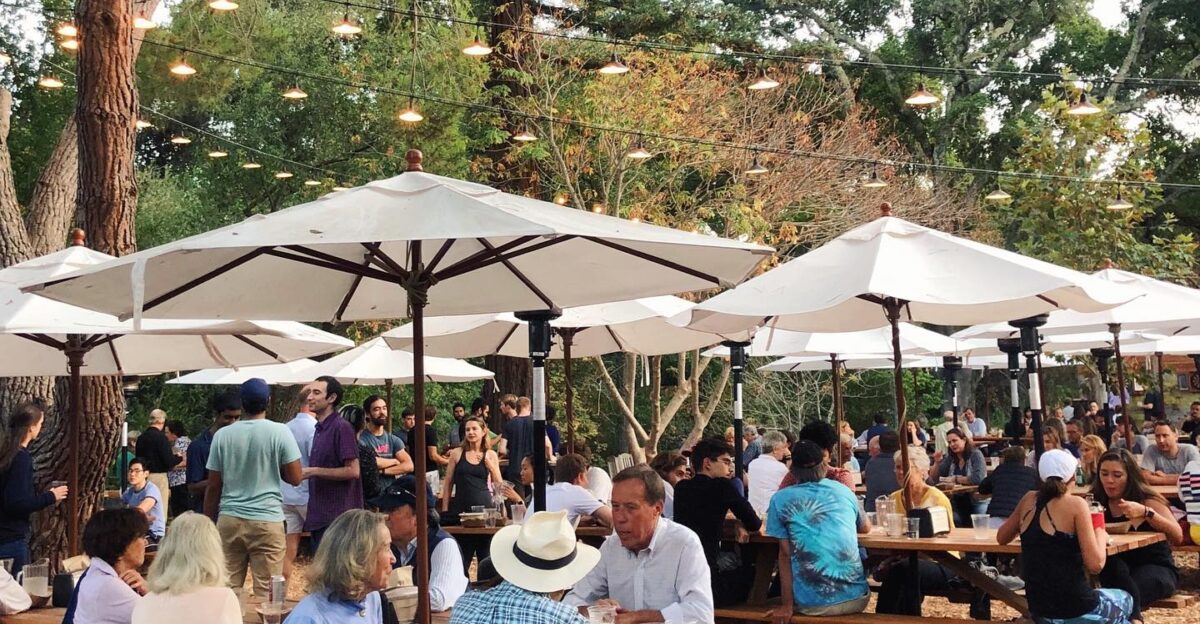
Renovations have set the stage for new offerings—morning coffee, rotating menus, and creative events. “We want to keep Alpine Inn flexible for whatever comes next,” Hunter said.
Future revenue could eventually yield owner profit if trends hold. Strategist Paula Morgan advises, “Landmark venues must continuously adapt to thrive.”
Regulated for History

Managing a historic tavern means navigating California’s strict building codes, ADA requirements, and landmark preservation rules.
Upgrades for accessibility, such as ramps and accessible restrooms, added layers of expense. “Historic sites face different compliance pressures,” accessibility expert Ravi Shah explains.
Lessons from Abroad
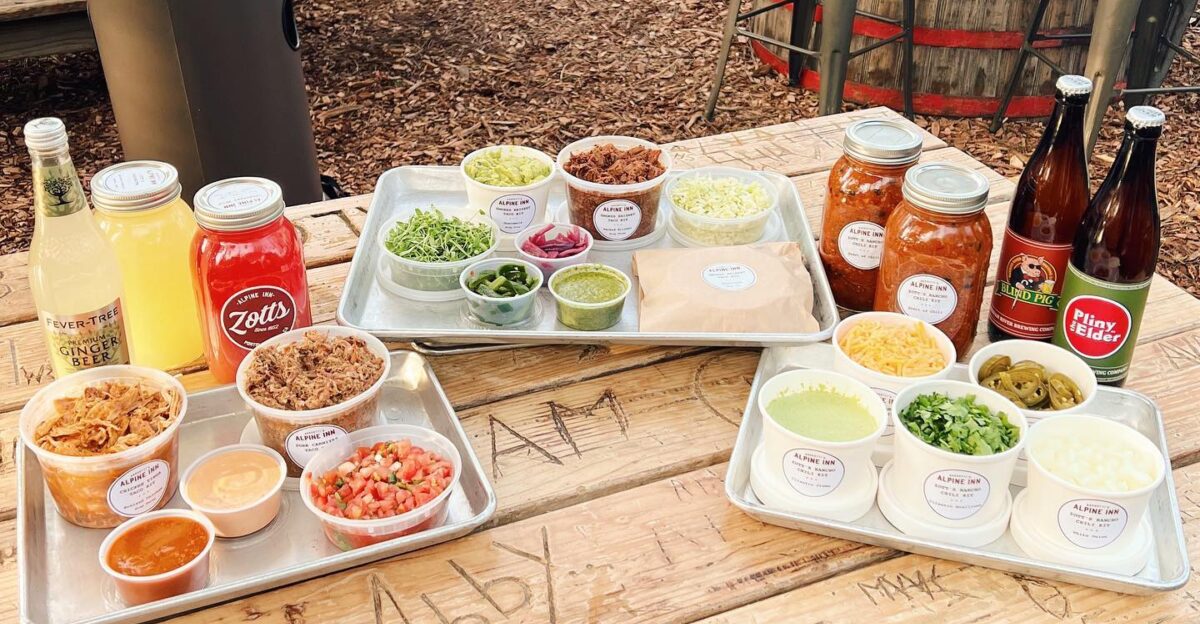
Globally, heritage restaurants adapt in similar ways—investing in modern infrastructure while retaining legacy charm. The Alpine Inn’s experience echoes changes at century-old establishments in Europe and Asia, where preservation and innovation must balance. Hospitality consultant Ingrid Vogel attests, “International icons face the same cost/identity tension.”
Legal and Environmental Challenges
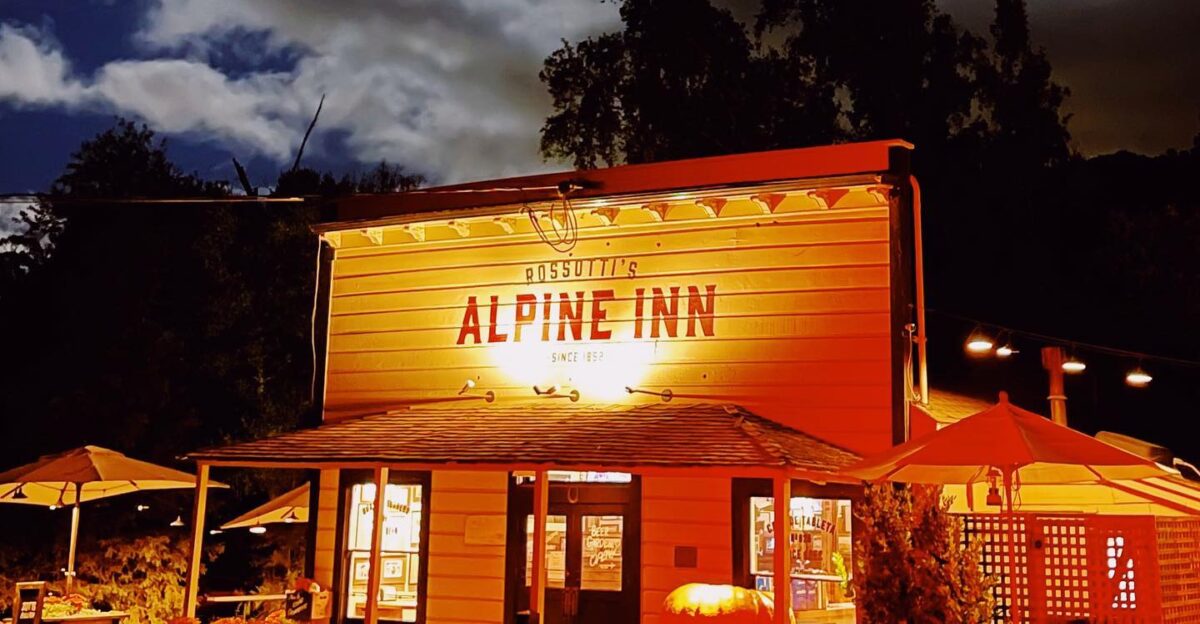
The legal framework for historic properties means navigating state, federal, and local regulations for both safety and sustainability.
Owners in Portola Valley dealt with extensive permitting for restoration. “Environmental regulations shape every phase of upgrade,” attorney Eric Chou confirms. Balancing law and eco-standards affects profit projections.
Cultural Hub for All
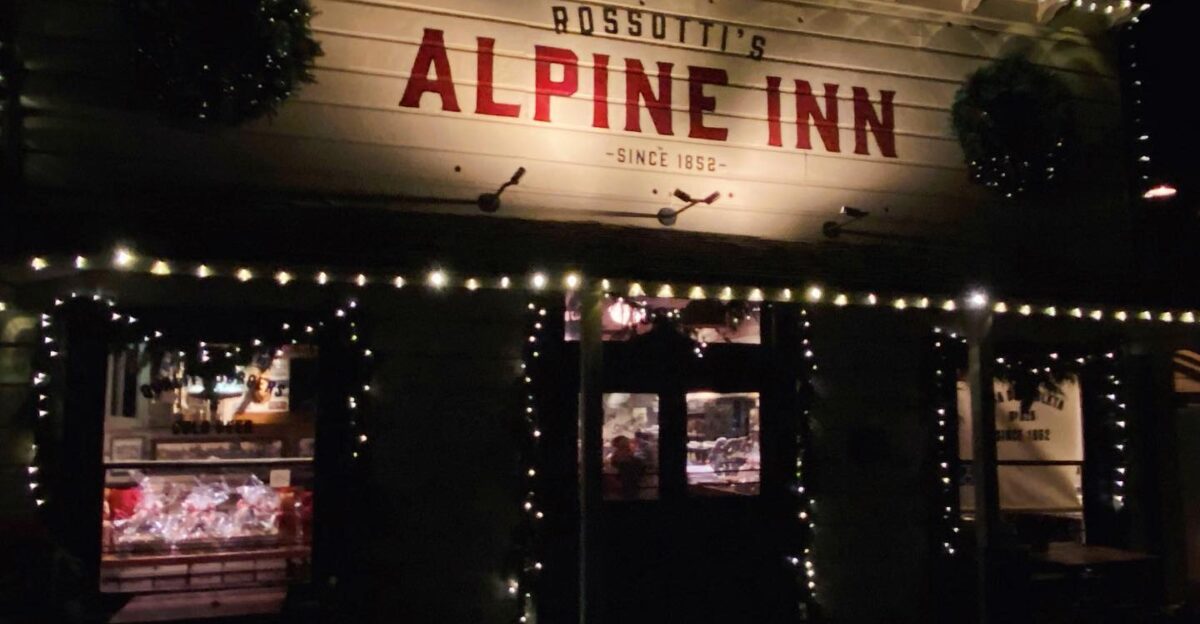
Alpine Inn now serves as a hub for four generations of locals, newcomers, and alumni, strengthening social bonds and neighborhood pride.
“Places like Alpine Inn give a town its soul,” sociologist Dr. Eliza Foster told Mercury News. Generational traditions sustain growth as well as sentiment.
What’s Next for Icons?
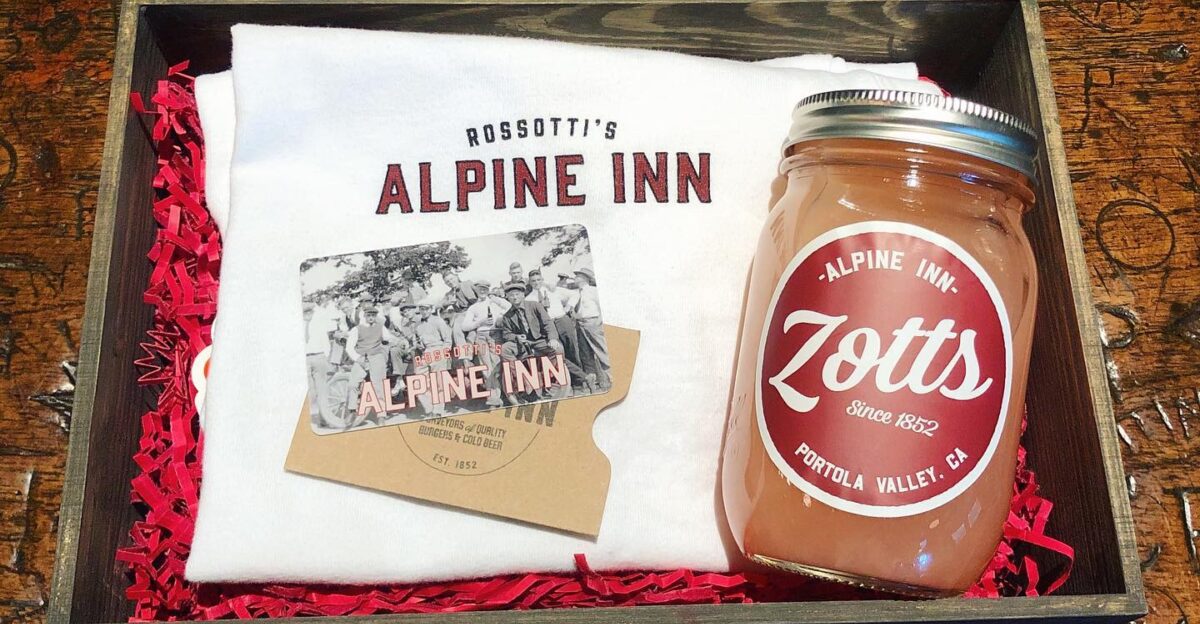
Alpine Inn’s story reframes how we interpret business headlines: visible success doesn’t always mean immediate personal gains.
As more historic venues choose legacy and community over profit, preservation becomes an act of faith, collaboration, and long-term investment. Expert Mark Tanner concludes, “Their survival benefits both the owners and the broader public.”