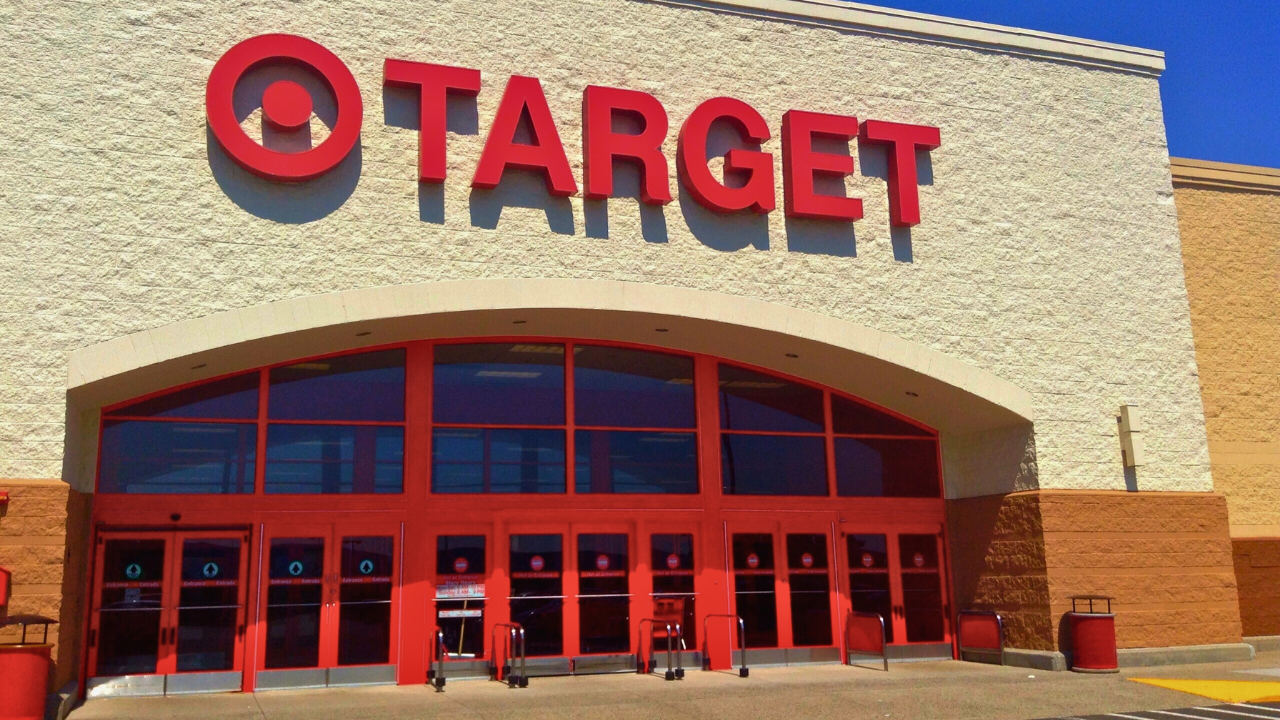
In October 2025, Target announced its largest round of corporate layoffs in over a decade, eliminating 1,800 positions as the company grapples with declining sales and a significant decline in market value.
This restructuring follows Target’s stock price decline of 65% from its 2021 peak, erasing more than $80 billion in market capitalization. The move signals a pivotal moment for one of America’s most recognizable retailers, as it seeks to regain stability amid shifting consumer habits and intensifying competition.
Scope and Structure of the Layoffs

Of the 1,800 jobs affected, about 1,000 are direct layoffs of current corporate staff, while the remaining 800 are vacant roles that will not be filled. Target leadership emphasized that these cuts are confined to corporate departments and will not impact store-level, supply chain, or frontline operations. Retail staffing and customer-facing support remain unchanged, reflecting the company’s commitment to maintaining service quality for shoppers.
This marks Target’s first major corporate workforce reduction since the early 2010s. In recent years, the retailer has relied on attrition, automation, and voluntary departures to manage headcount. The 2025 layoffs represent a strategic shift aimed at streamlining management and accelerating decision-making in response to a rapidly evolving retail landscape.
Driving Forces Behind the Restructuring

Target’s executive team cited the need to simplify the organization as the primary reason for the layoffs. Over time, layers of bureaucracy and overlapping responsibilities have slowed internal operations, undermining both agility and cost efficiency.
By consolidating reporting structures and empowering teams, Target aims to refocus resources on business-critical priorities and regain momentum for its strategic initiatives.
The restructuring is also a response to persistent declines in sales. In the second quarter of 2025, Target reported a nearly 1% drop in net sales, with comparable sales falling 1.9% year-over-year. Weak consumer confidence and reduced discretionary spending have pressured the company to realign corporate costs with new business realities.
Leadership Transition and Employee Support
Michael Fiddelke, Target’s current Chief Operating Officer and incoming CEO, led the announcement of the layoffs. He emphasized that removing unnecessary complexity will enable the retailer to adapt more quickly to market changes.
Fiddelke is set to assume the CEO role on February 1 officially, and this restructuring marks his first major initiative as Target prepares for a leadership transition.
For affected employees, Target has outlined a severance package that includes continued pay and benefits through January 3, 2026.
The company also provides personalized career placement and counseling services, aiming to strike a balance between financial discipline and compassion and support during the transition. Human resources teams are working directly with impacted staff to answer questions and assist with next steps.
Market Impact and Strategic Priorities

Target’s share price has suffered a steep decline since its 2021 high, reflecting both sector-wide volatility and company-specific challenges. Inflation, digital transformation, and fierce competition from rivals like Walmart and Amazon have contributed to the erosion of market value. The latest restructuring is part of a broader turnaround effort aimed at restoring investor confidence and positioning Target for long-term growth.
Despite the cost-cutting measures, Target remains committed to investing in technology and innovation. The company plans to continue developing digital tools, automation, and data-driven systems to simplify operations and improve responsiveness. Investments in inventory management and e-commerce fulfillment are central to Target’s strategy, even as it reduces its corporate workforce.
Challenges and Opportunities
Industry analysts describe Target’s layoffs as a necessary step to align costs with current business conditions, but caution that recovery will require sustained discipline and strategic execution. The company’s strong brand and digital assets offer potential for a turnaround. Yet, success will depend on its ability to balance cost control with ongoing investment in customer service and innovation.
As Target completes this round of reductions, management is focused on building a more flexible and responsive corporate structure. Empowering teams, enhancing oversight, and adapting quickly to changes in consumer preferences are central to the company’s path forward.
While recovery may take time, Target’s actions signal a willingness to make difficult choices in pursuit of sustainable growth. Investors, employees, and customers will be watching closely as the retailer navigates a historic transformation in the retail sector.