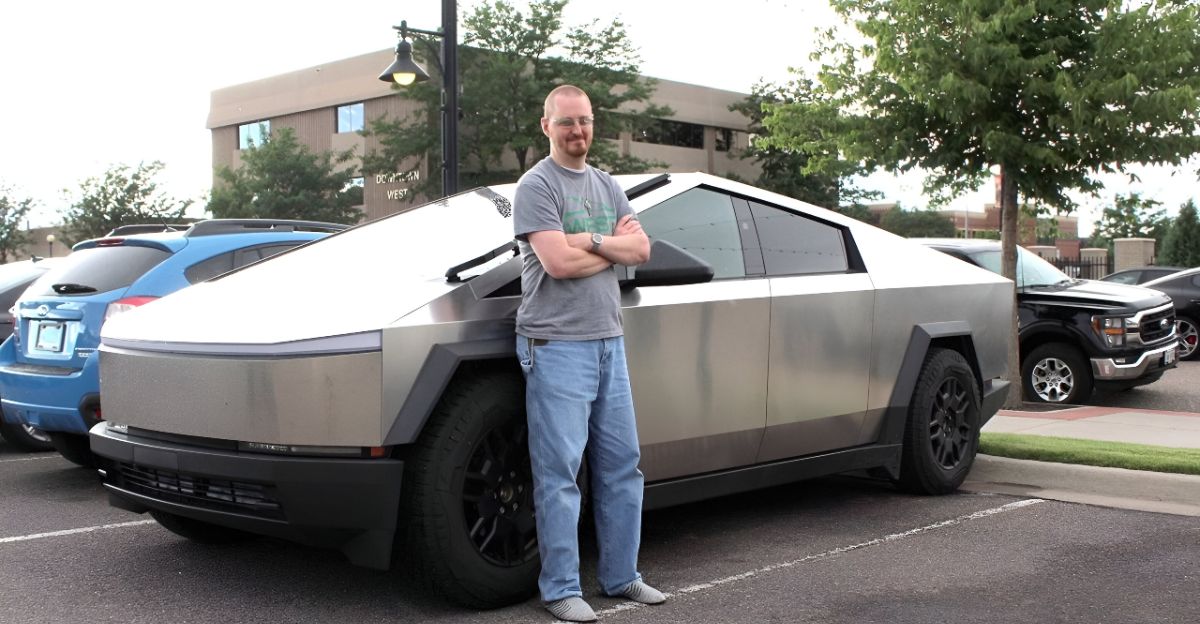
Owning a luxury or high-performance car isn’t just expensive at the dealership—it can drain your wallet every year through massive insurance costs.
While the average driver in the U.S. pays about $2,324 annually for car insurance, people who drive powerful or exotic cars can pay five to twenty times that amount. Some owners even struggle to find a company that will insure them at all.
From sporty coupes to multimillion-dollar hypercars, high repair bills, and theft risks make these vehicles some of the most expensive to insure in the country.
1.Mercedes-AMG GT
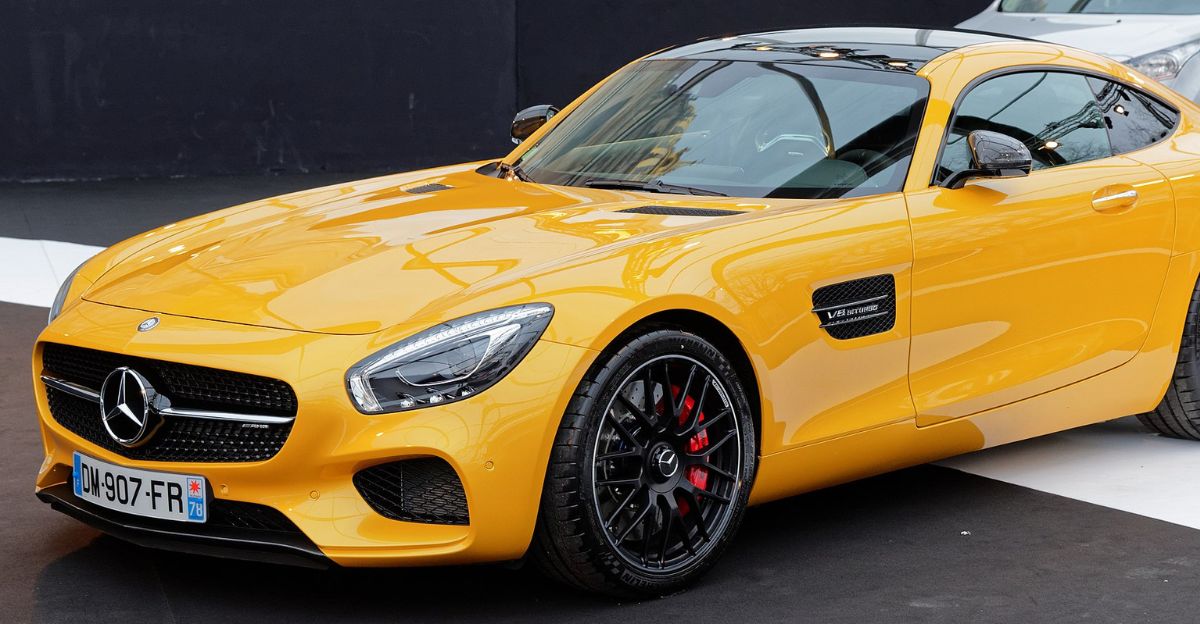
The Mercedes-AMG GT marries sleek design with raw power. Its 503-horsepower twin-turbo V8 can rocket the car to dangerous speeds—but it also rockets your insurance premiums.
Owning one costs about $3,407 per year to insure, which is roughly 53% higher than average. The AMG GT’s specialized parts and materials make even minor body shop repairs staggeringly expensive. Cracked carbon fiber, damaged sensors, or unique aerodynamics often mean five-figure repair bills.
Even though it’s considered “reasonable” by supercar standards, most enthusiasts find AMG GT premiums painfully high.
2. Porsche 911 GT3 RS
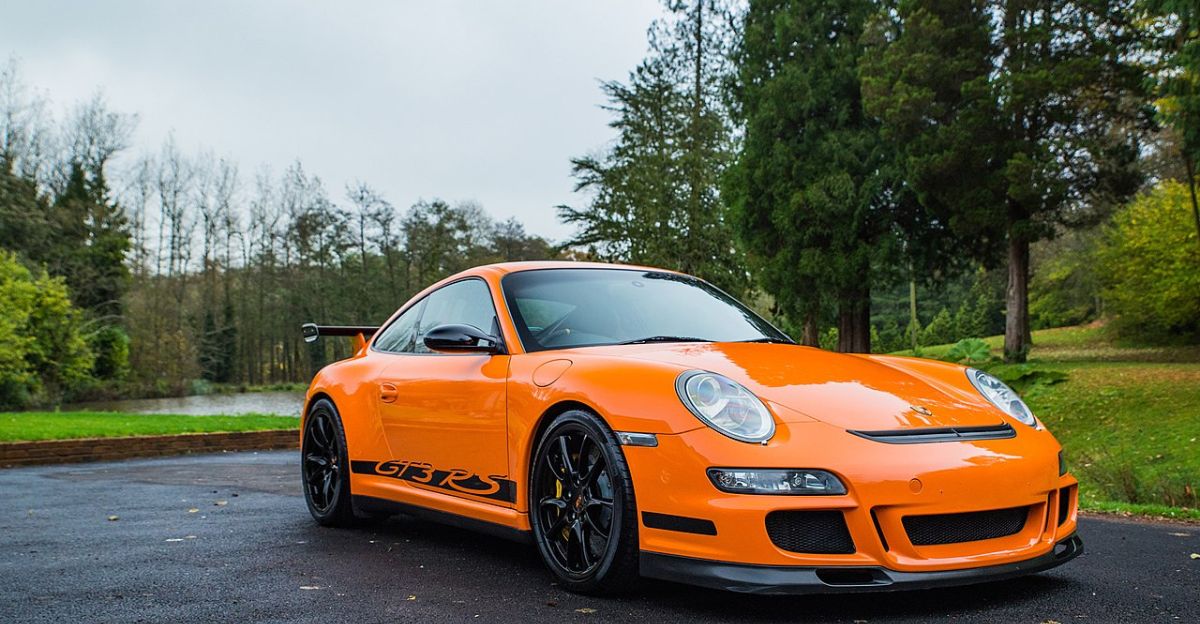
Porsche’s 911 GT3 RS is built for the racetrack, and insurance companies treat it like one. The 518-horsepower machine revs up to 9,000 rpm and hits 60 mph in just three seconds, all for a starting price near $250,000.
Insurance, though, starts around $2,440 a year but can skyrocket past $5,000 for riskier drivers or urban areas. Because repair parts are custom-made and sourced from Germany, even simple fixes can take weeks and cost thousands.
Due to its track reputation and expensive components, insurers see the GT3 RS as a significant risk factor for claims—even if the driver is experienced.
3. Maserati Ghibli
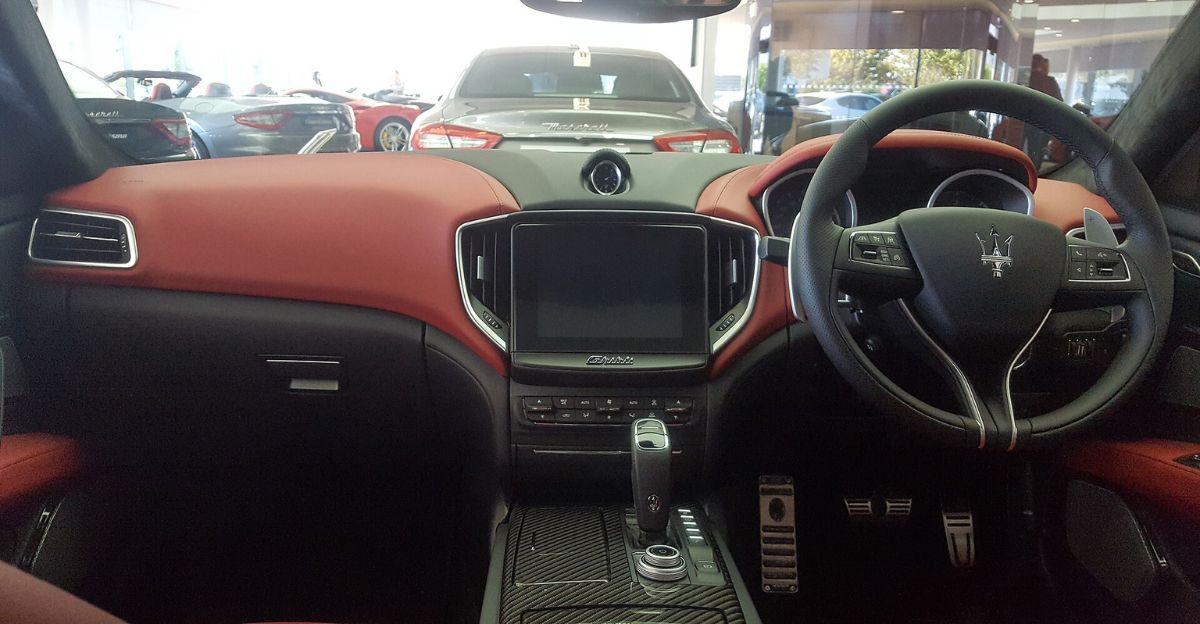
The Maserati Ghibli looks gorgeous but brings nightmares to accountants and insurers alike. With an average annual insurance cost of $6,601, it’s one of the most expensive luxury sedans to keep on the road.
Insurance rates climb because Maseratis are complex machines with few qualified repair shops, and most parts come directly from Italy.
When they break down, repair times are long and maintenance bills skyrocket. To make matters worse, they depreciate fast, so even when the car’s value drops, the premiums stay high.
4. Tesla Model S Plaid
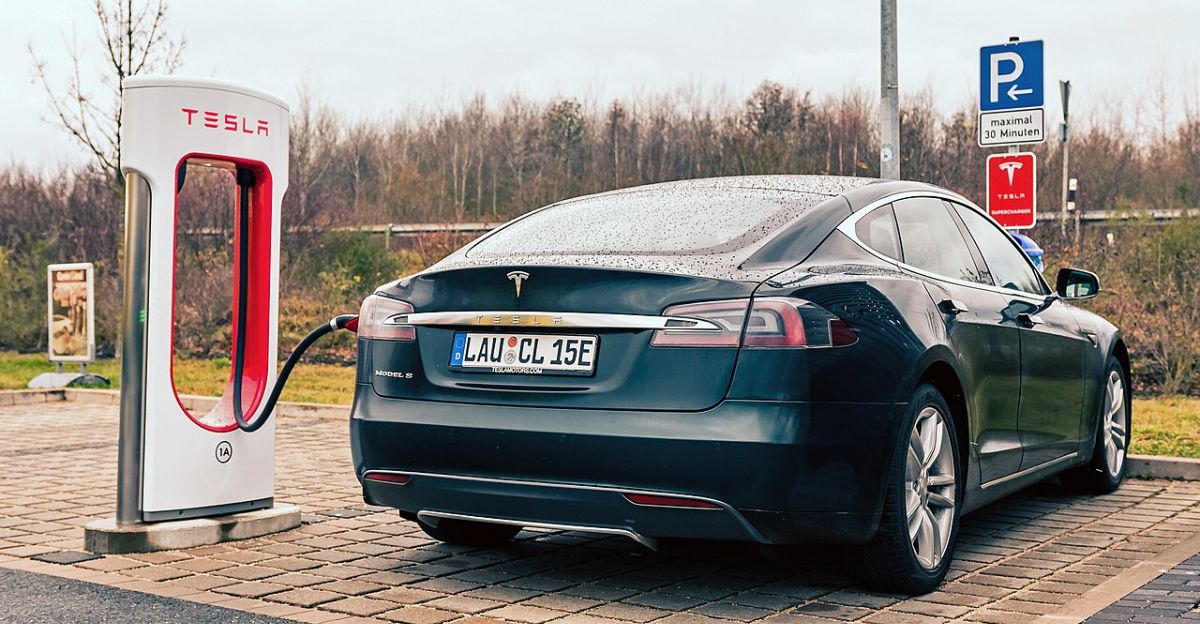
Tesla’s Model S Plaid is one of the fastest cars in the world, going 0–60 mph in under two seconds. But its lightning speed comes with soaring insurance costs averaging $5,522 a year, twice the national average.
Teslas cost more to fix because of their aluminum frames, expensive batteries, and self-driving technology that’s difficult to replace or repair. Even a minor fender bender might lead to the car being totaled! This is something insurers factor into their high prices.
The car’s immense power and weight make it a high-risk vehicle in the eyes of insurance companies.
5. BMW i8
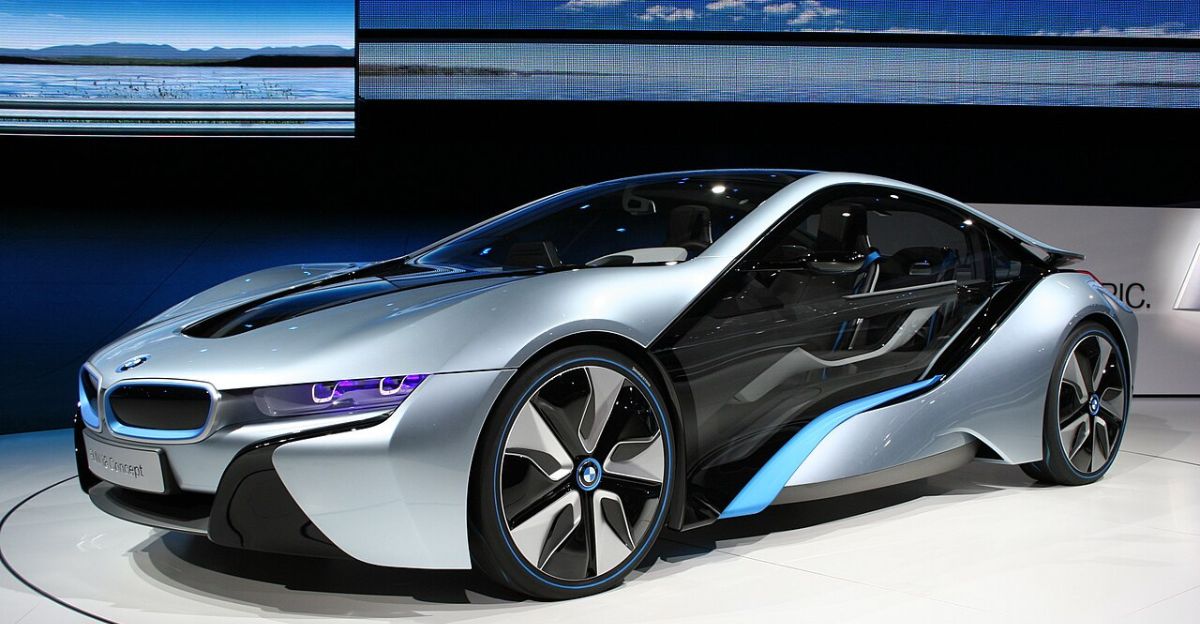
BMW’s hybrid i8 was designed to look futuristic, but its design makes it challenging to insure. Repairs require specialized equipment to handle the carbon-fiber frame and hybrid powertrain.
A cracked panel costs over $10,000 to replace. The i8’s yearly insurance average runs about $3,976, or nearly 80% more than a standard car.
Because few mechanics are trained to repair it and replacement parts are rare, insurers hike premiums, fearing they’ll foot enormous repair bills after any accident.
6. Nissan GT-R R35
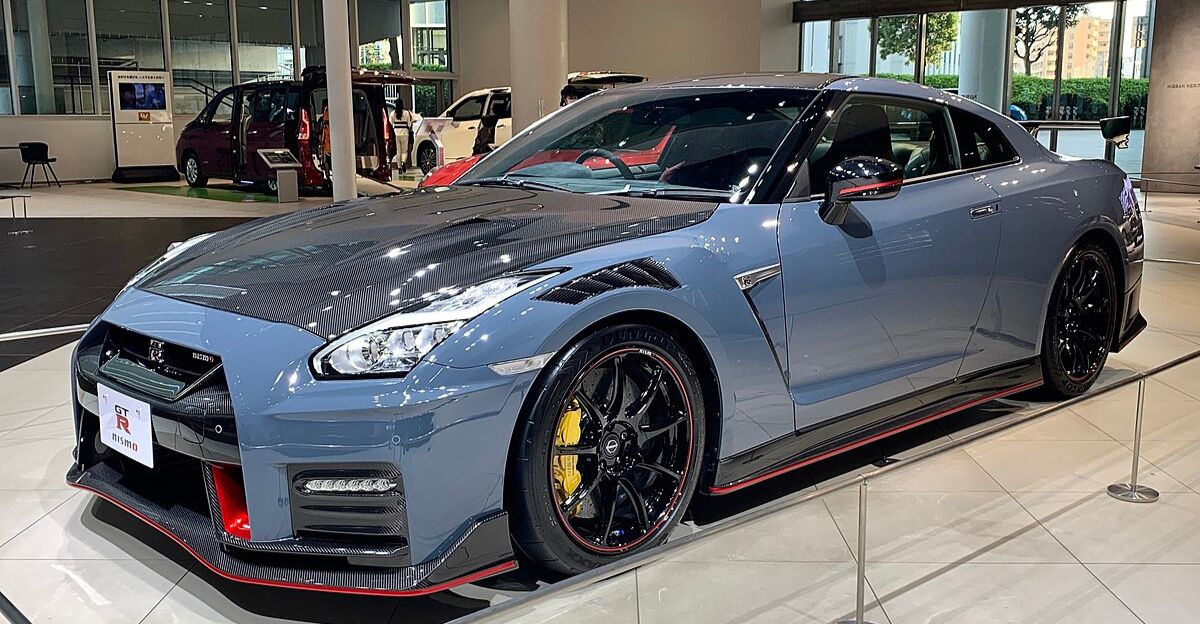
Nicknamed “Godzilla,” the Nissan GT-R is a performance legend. But insurance companies see it as a high-risk monster.
With an average annual premium of $6,079, which is about 174% higher than standard cars! The GT-R ranks among the most expensive cars to insure. Its 565-horsepower engine, cutting-edge transmission, and AWD system make repairs intricate and pricey.
GT-Rs also attract younger, thrill-seeking drivers, raising accident odds. On top of that, theft rates remain high; criminal rings target GT-Rs for their valuable parts. All of this adds up to eye-popping premiums for “affordable” supercar owners.
7. Mercedes-Benz S-Class
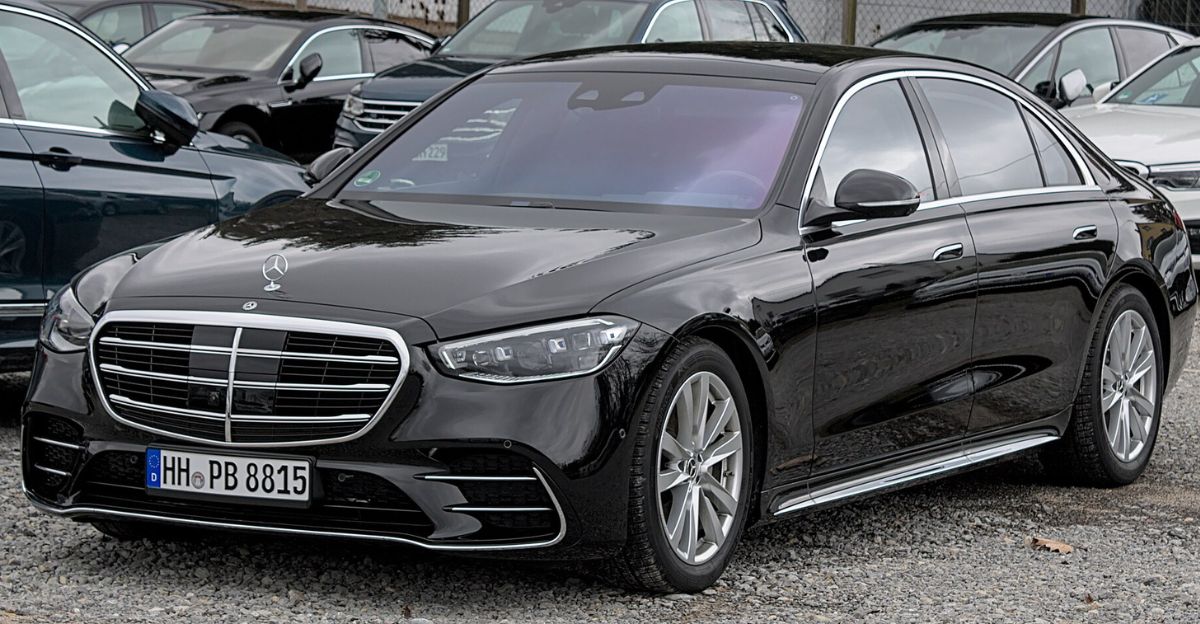
The S-Class is a luxury benchmark because it’s spacious, powerful, and technologically advanced. But insurance is anything but refined: it averages $4,264 per year, 92% more than the national average.
Its fancy safety systems, like collision-avoidance sensors, lane cameras, and adaptive headlights, are costly to repair or replace.
Accidents that would be cheap in regular cars turn into multi-thousand-dollar claims. Even thieves love the S-Class for its resale value, further driving up premiums.
8. Audi R8 V10
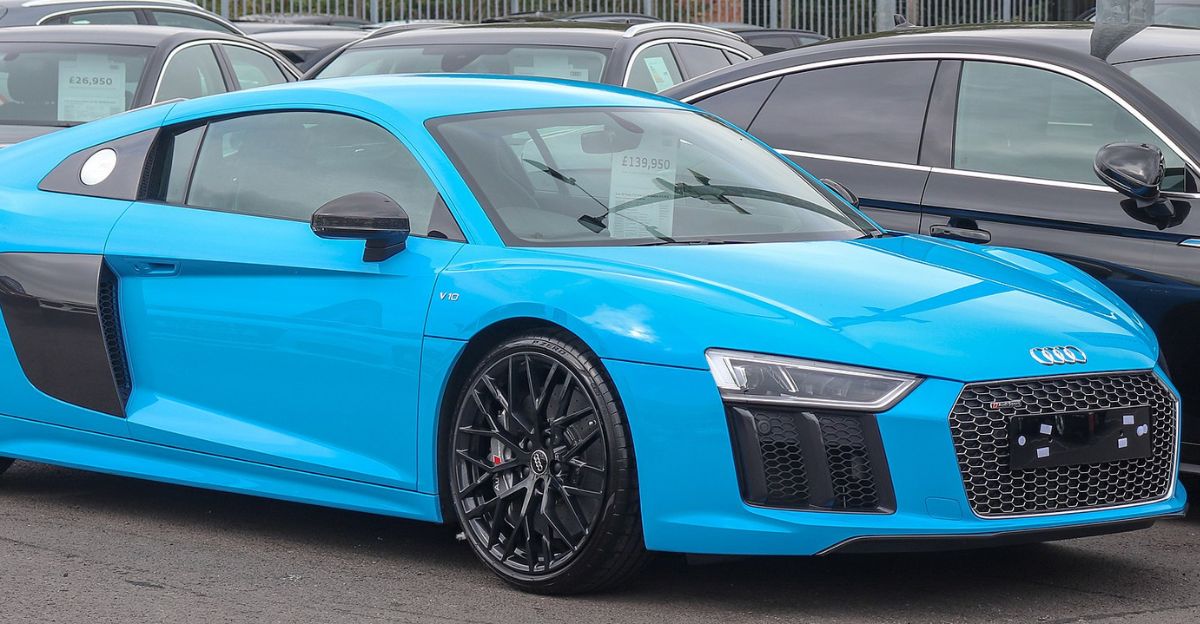
The Audi R8 is basically a Lamborghini in disguise. It shares Lamborghini’s famous V10 engine and races to 60 mph in just over three seconds—but owners pay dearly for the thrill.
Average insurance costs hover around $4,374 a year, nearly doubling a standard driver’s bill. Its carbon-ceramic brakes and bespoke space frame make repairs expensive, while the R8’s theft rate remains one of the highest of any supercar in the UK.
Parts scarcity, repair costs, and theft risks make this mid-engine marvel costly to protect.
Why Performance Equals Premiums
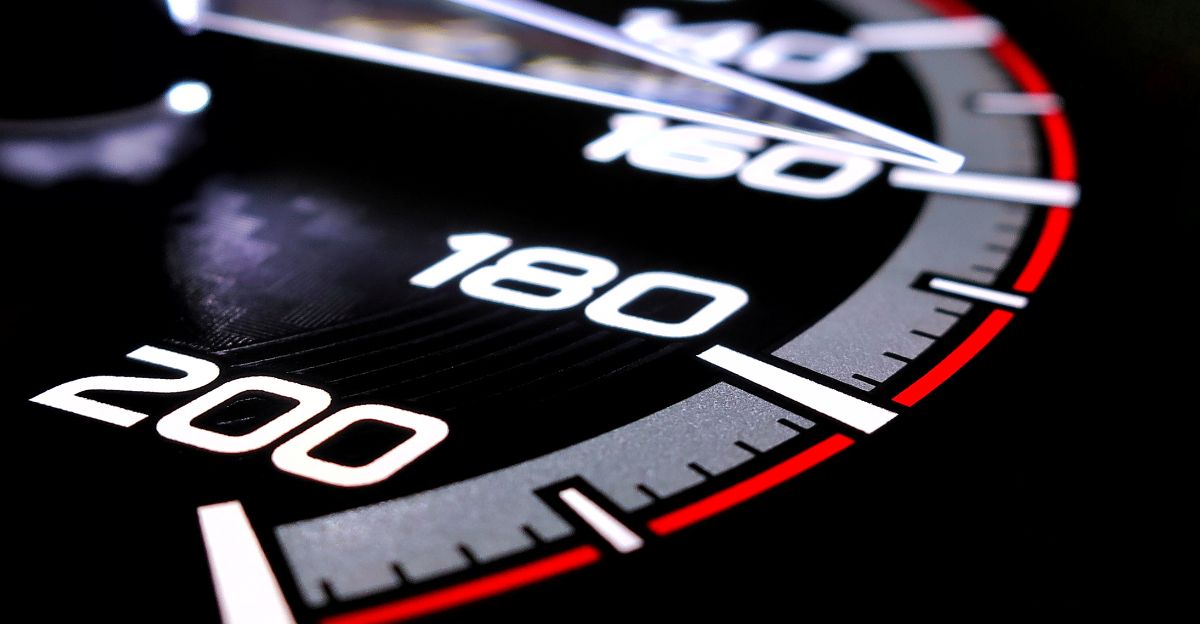
There’s a reason speed equals expense. Data shows that faster cars with more horsepower are linked to more accidents and bigger repair bills.
They encourage aggressive driving and attract demographics that are statistically more prone to speeding and collisions.
Insurance companies are not punishing enthusiasts—they’re reacting to data that shows expensive, fast cars almost always cause more and costlier claims than standard vehicles.
9. Maserati Quattroporte
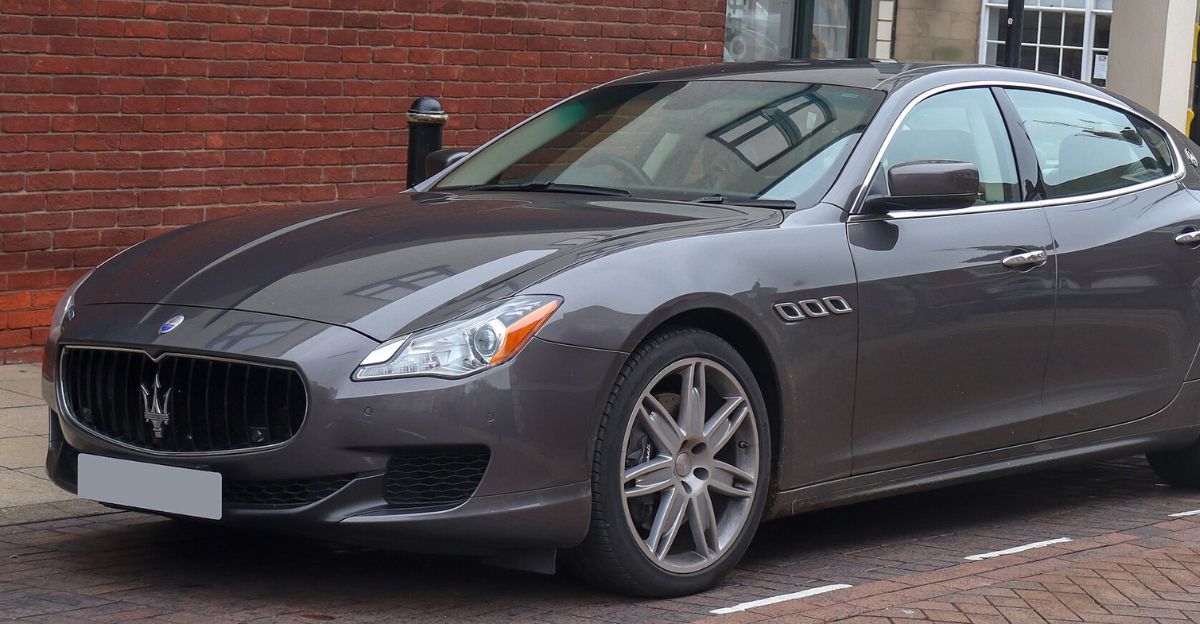
Owning a Maserati Quattroporte comes with a heavy financial burden: around $5,113 a year in insurance premiums, or 130% over average.
The car’s Italian craftsmanship is impressive, but keep in mind it’s built with expensive materials that few shops can repair. Its reliability issues push insurers to keep rates high since even routine maintenance costs thousands.
While it looks like a luxury bargain, the Quattroporte often becomes a long-term money pit.
The Theft Factor
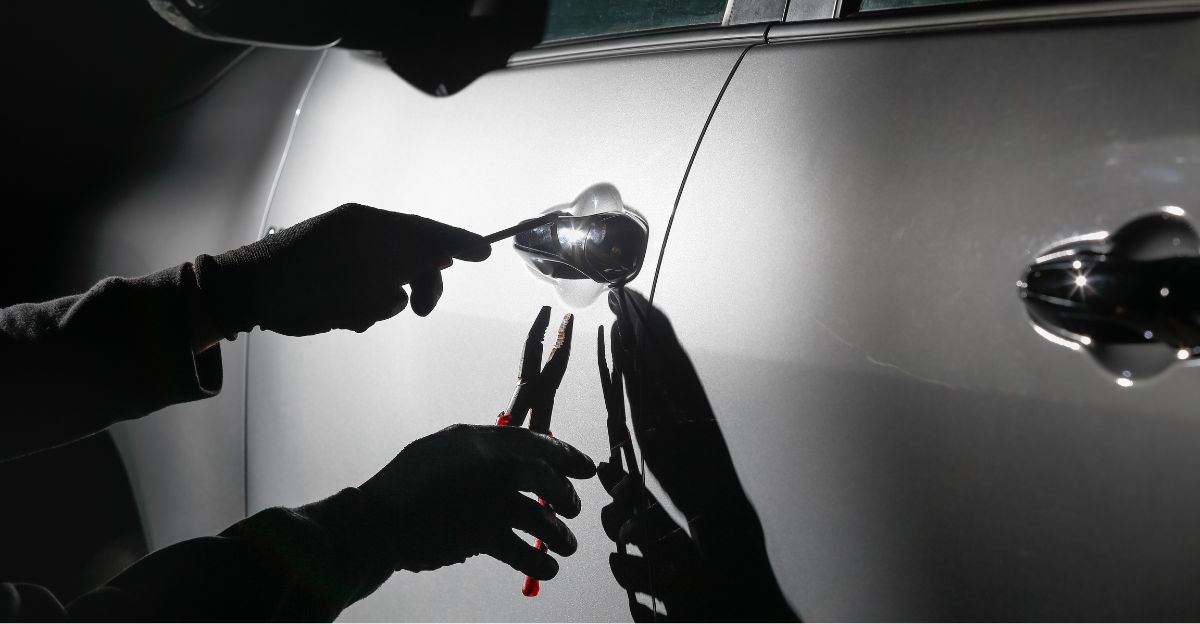
Luxury cars are magnets for modern car thieves using advanced hacking tools. Criminals target Mercedes-AMG GTs and Nissan GT-Rs specifically, often shipping them overseas or stripping them for parts.
In the UK, one in 39 Lexus RX450s and one in 116 Abarths are stolen each year. Many insurers insist that owners install extra anti-theft devices or tracking systems before approving coverage.
Even then, the high theft odds mean steep premiums persist.
The Parts Problem
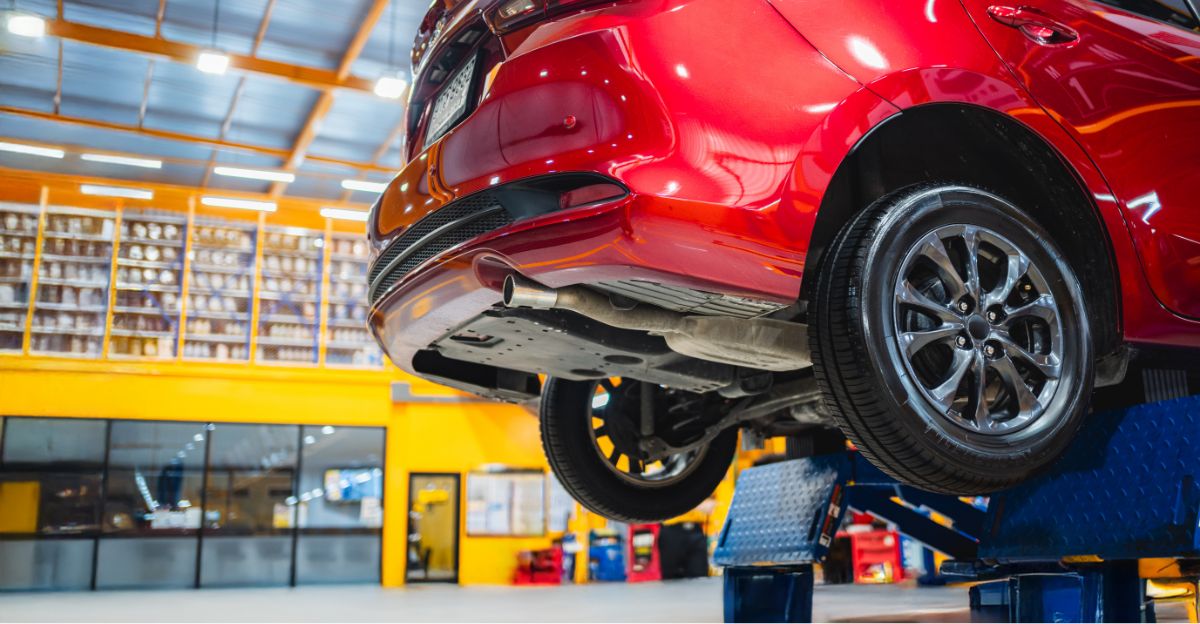
Repairing exotic cars means replacing broken parts. Basic headlights on luxury cars can cost $3,000, and adaptive LED headlights cost over $5,000.
Carbon-fiber body panels, like those on BMW i8s, can’t be repaired—only replaced. Parts usually ship from overseas, adding delays and rental car fees that insurers must cover.
With these costs, it’s easy to see why exotic car premiums are based on replacement value rather than repair ease.
Collector’s Insurance Alternative
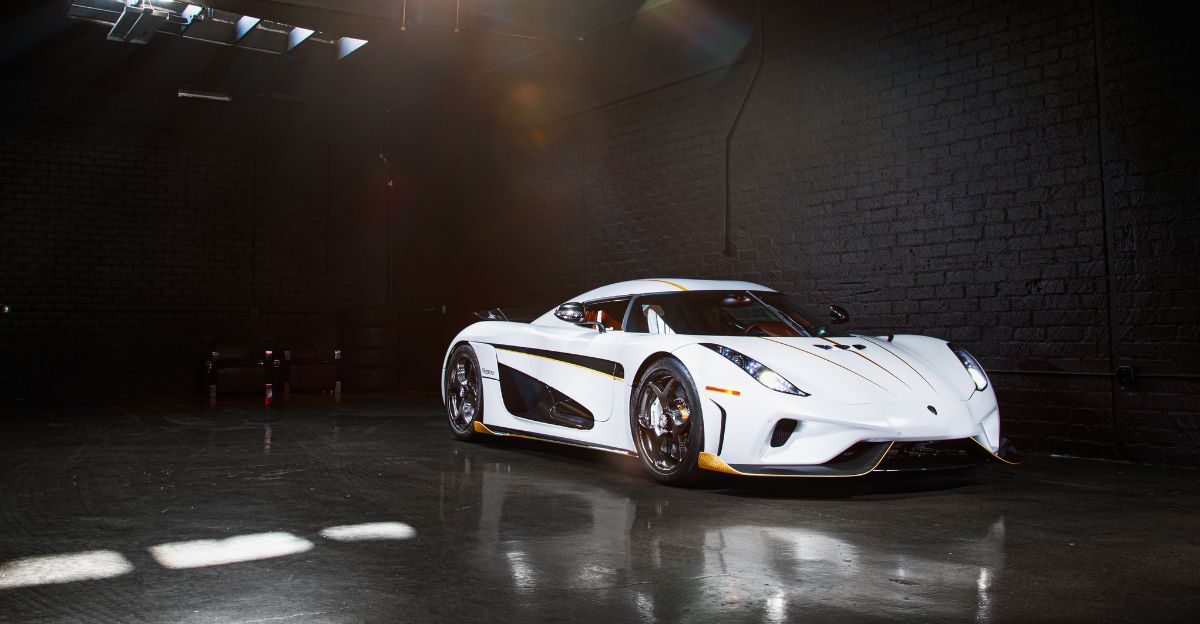
Some exotic car owners save money through “collector” insurance. Companies like Hagerty offer discounted policies that limit how often the car can be driven (usually 2,500 to 5,000 miles per year).
These policies require safe storage, proof of another daily driver, and frequently a pristine driving record.
If you treat your car as a weekend toy or investment instead of a commuter, collector insurance can be half the cost—but daily use violates the contract and cancels coverage altogether.
Regional Rate Variations

Where you live changes your insurance drastically. Drivers in Maryland, Nevada, and Florida pay the most—average premiums exceed $3,200 before factoring in luxury cars.
A Porsche driver in rural Vermont may pay $3,500 per year, while someone in Los Angeles could face costs over $8,000.
Dense cities with more traffic, crime, and litigation have the highest costs, and mainstream companies can’t even insure some luxury car models in certain states.
The Age Penalty Paradox

When it comes to performance cars, neither youth nor age helps. Younger drivers can pay 60% more for coverage, while older drivers often face surcharges for slower reaction times.
The sweet spot for affordable exotic car insurance is between ages 40 and 60 with a spotless record. Even then, owning something with 500+ horsepower means higher premiums.
Some insurers even require completion of a certified performance driving school before offering coverage.
Track Day Exclusions
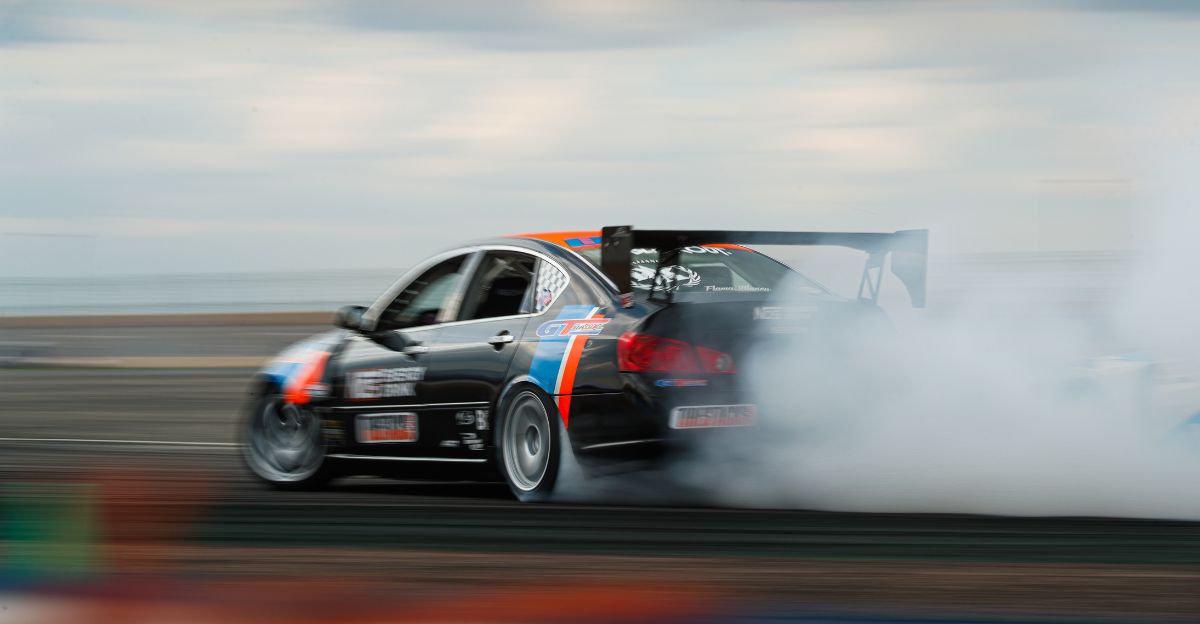
Most performance car owners discover this the hard way: insurance rarely covers track use. Whether it’s a racetrack, drag strip, or autocross parking lot, standard coverage doesn’t apply.
Dedicated “track day” insurance exists, but it’s pricey—up to $2,000 per event—with significant deductibles.
For enthusiasts who buy these cars mainly for racing, that means huge out-of-pocket risk every time they push their vehicles to the limit.
Insurance as a Purchase Barrier

Even buyers with the cash to buy exotic cars often can’t afford insurance. Young professionals who manage to buy an Audi R8 or Lamborghini Huracán find insurance quotes as high as $15,000 a year, or worse, complete coverage denial.
In other cases, exotic car brokers turn to “grey-market” high-risk insurers that charge massive fees. In this way, insurance not only protects—it limits who can actually enjoy their dream car.
10. Bugatti Chiron
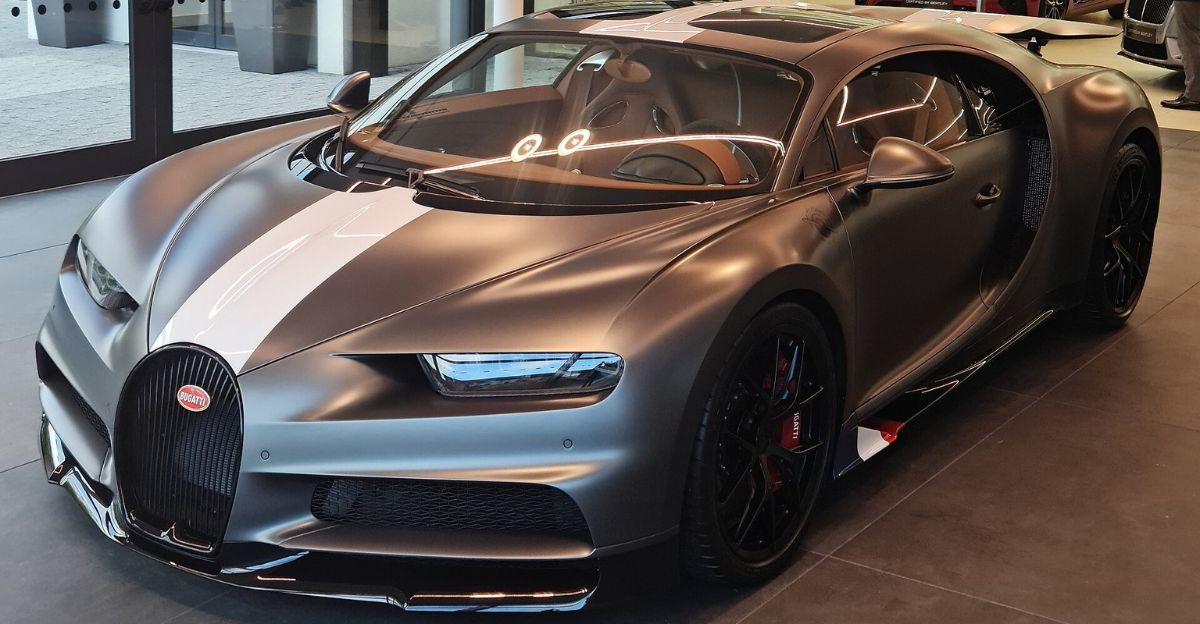
The Bugatti Chiron takes every cost to the extreme. With a price tag of $3.8 million and just a few hundred made, insurance is practically a luxury of its own.
Premiums range from $25,000 to $50,000 yearly—and that’s if you can find a company willing to cover it. Many mainstream insurers refuse. Chiron’s immense power (1,500 horsepower) and specialized materials make maintenance astronomical; a single tire change costs $10,000, and full service tops $50,000.
To own a Chiron, you need special luxury insurers offering “agreed-value” coverage to protect multimillion-dollar assets.
The True Cost of Speed
At the end of the day, owning a luxury or super-fast car costs way more than just what’s on the price tag. You might think you’ve finished paying once you buy it—but you’re just beginning.
Insurance isn’t some unfair fee; it’s what covers the big stuff like accidents, theft, and costly repairs that come with owning such a powerful machine. Car makers have made these high-performance cars easier to buy, but insurance companies make sure that driving one still comes with a hefty price.
For most car enthusiasts, those yearly insurance bills feel like a “speed tax”—a cost of admission for enjoying something powerful and exclusive. If you really want to own a supercar, you’ve got to be ready to insure it, too.