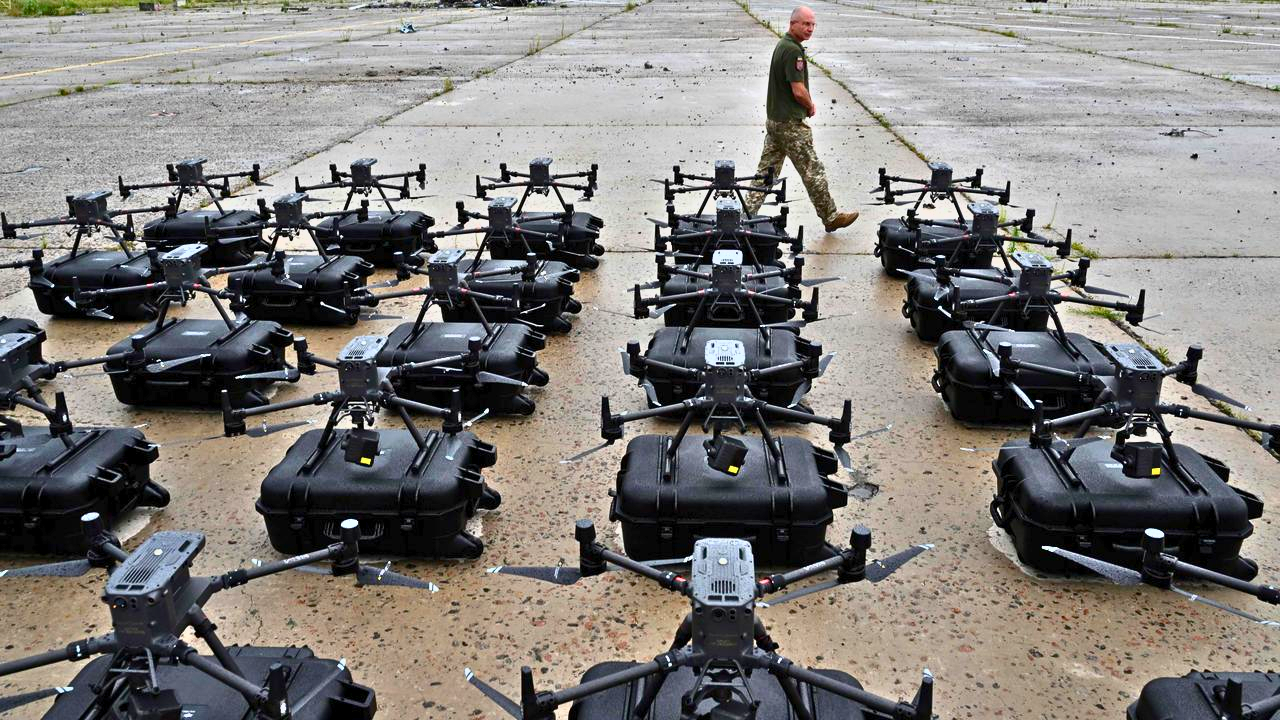
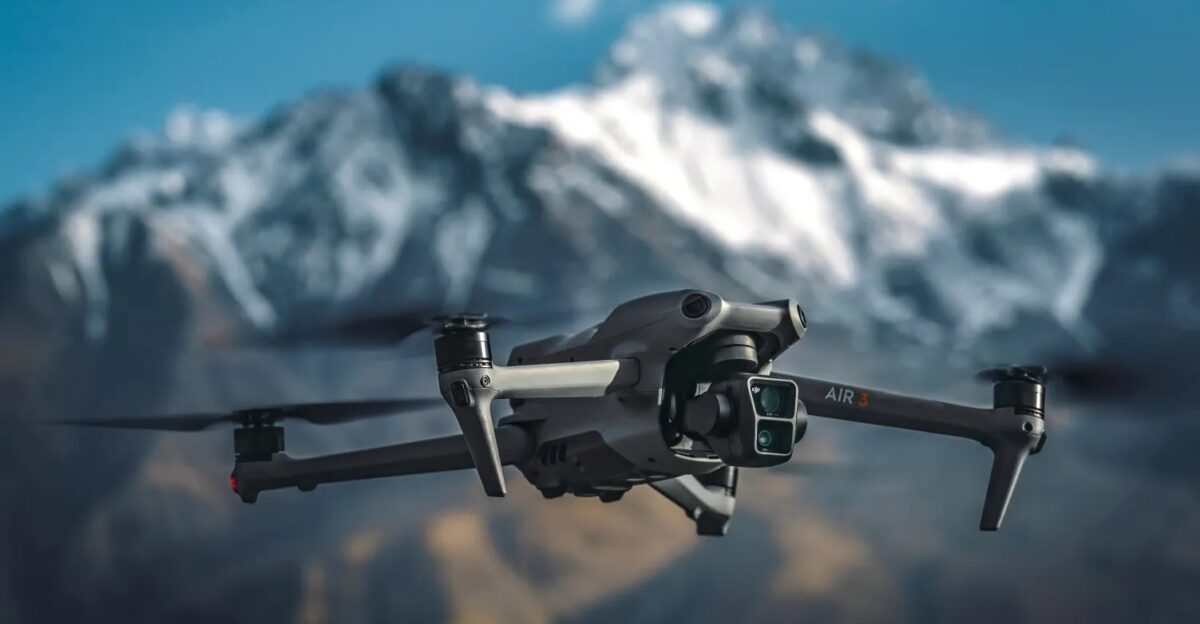
Muddy water of the global drone market is rippling with uncertainty. DJI, the world’s largest drone manufacturer controlling roughly 70% of the global market, faces a looming deadline: December 23, 2025.
On that day, the company could be automatically banned from selling in the U.S. if a federal security assessment isn’t completed. Despite over ten months passing since the review was mandated, no U.S. agency has started the process, leaving consumers and businesses in suspense.
Store shelves still carry DJI drones—high-tech quadcopters used by filmmakers, farmers, and emergency responders—but the countdown is visible. DJI’s decade-long dominance in the U.S. market may be on the verge of ending, and the industry is holding its collective breath.
Regulatory Hammer Falls
On October 28, 2025, the Federal Communications Commission (FCC) voted unanimously, 3-0, to grant itself unprecedented authority: the power to retroactively ban electronic devices previously cleared for sale if manufacturers are deemed national security risks. The move closes a loophole that allowed companies like DJI to continue selling products despite national security concerns.
For the first time, the FCC can revoke past approvals based on security concerns alone. Observers note this shift could set a precedent for future federal regulatory actions, where products can be retroactively deemed illegal without new evidence of wrongdoing.
Two-Year Warning

The FCC’s new authority builds on actions first introduced in November 2022, when the agency banned new equipment approvals for companies on its “Covered List,” which includes Huawei, ZTE, Hikvision, Hytera, and Dahua. Back then, devices already approved were grandfathered in, leaving a loophole that critics said allowed Chinese technology to remain in the U.S. indefinitely.
This case-by-case approach represents a radical shift from protecting existing U.S. consumers to potentially making their legally purchased electronics illegal retroactively.
Automatic Trigger Mechanism
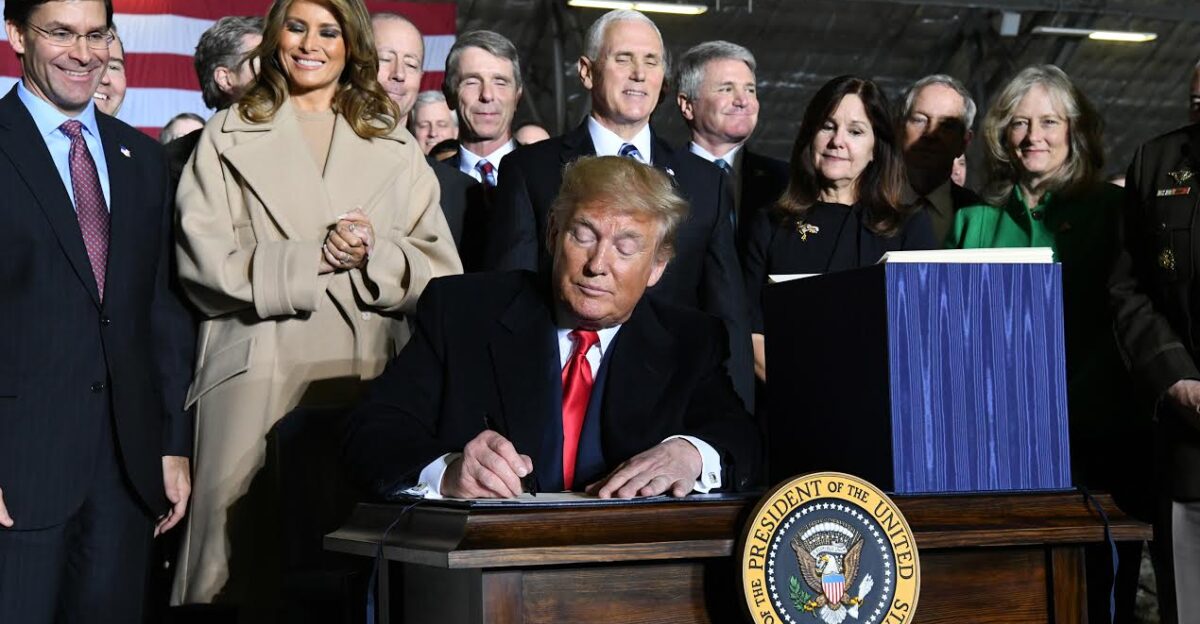
The FY25 National Defense Authorization Act (NDAA) introduced a statutory requirement: a U.S. national security agency must complete a DJI drone risk assessment by December 23, 2025. If no agency conducts the review, DJI and another Chinese drone company will automatically be added to the FCC’s Covered List without evidence or the right to appeal.
This mechanism is unprecedented in federal regulatory action. Rather than a traditional investigation or enforcement process, the law enforces automatic blacklisting based solely on a missed bureaucratic deadline.
No Ban Exists

Despite headlines about bans, DJI is not currently restricted in the U.S. The company has not been added to the FCC’s Covered List, meaning its products remain legal to import, sell, and operate as of November 2025. The October 28 FCC vote was procedural, granting authority for future enforcement but imposing no immediate restrictions.
Adam Welsh, DJI’s Head of Global Policy, emphasized this distinction, clarifying that DJI remains fully operational in the U.S. market.
Market Dominance at Stake
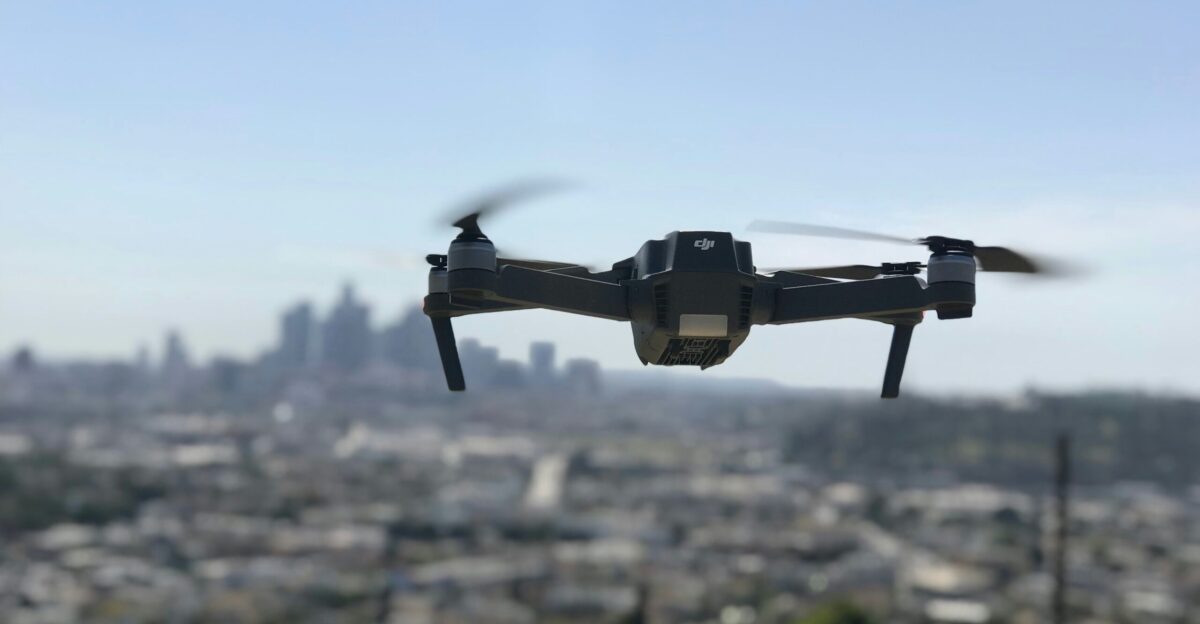
DJI controls roughly 80% of the U.S. drone market and between 70-90% of the global civilian drone market. Their drones are widely used by hobbyists, commercial operators, filmmakers, emergency responders, and agricultural businesses. In the U.S. alone, over a million DJI drones are estimated to be in active operation, representing billions in equipment value and supporting tens of thousands of jobs in retail, repair, and content creation.
A potential ban could ripple across every sector reliant on DJI technology. Businesses may suddenly face gaps in service, software updates, or maintenance, threatening livelihoods that depend on drone operations.
Voices from the Field
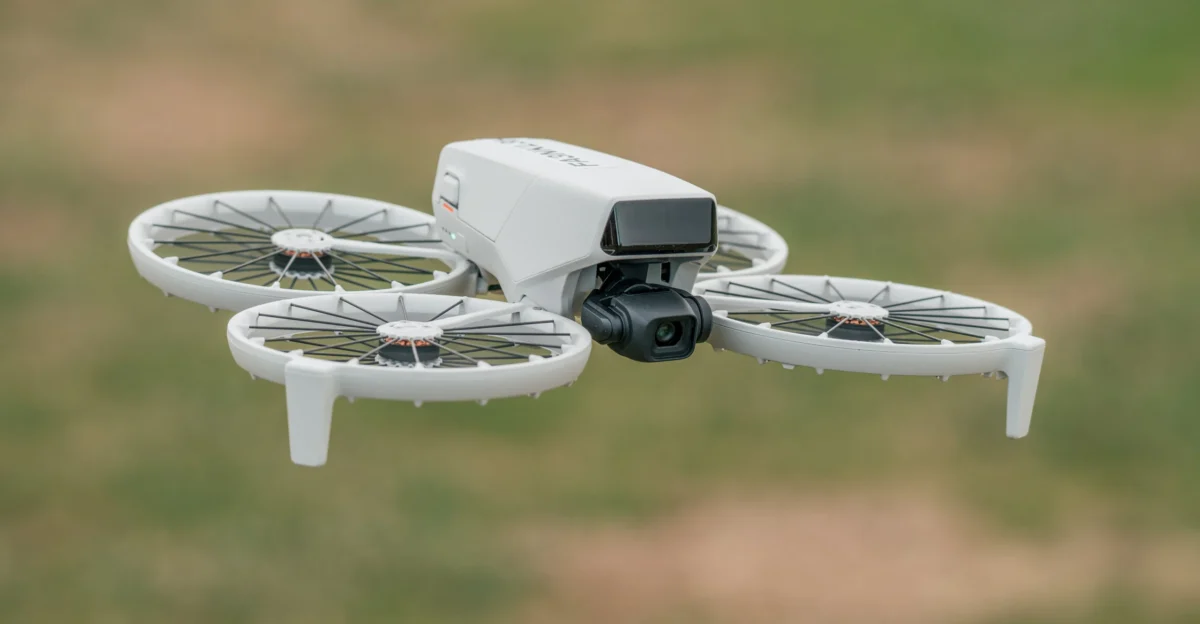
Adam Welsh responded to the FCC’s vote by urging transparency and due process. “The government has every right to strengthen national security measures, but this must go hand in hand with fairness and transparency,” he stated. DJI has repeatedly offered to participate in an official audit, yet more than ten months have passed without progress.
As the December 23 deadline approaches, DJI is pressing the U.S. government to start the mandated review.
Competitors Circle
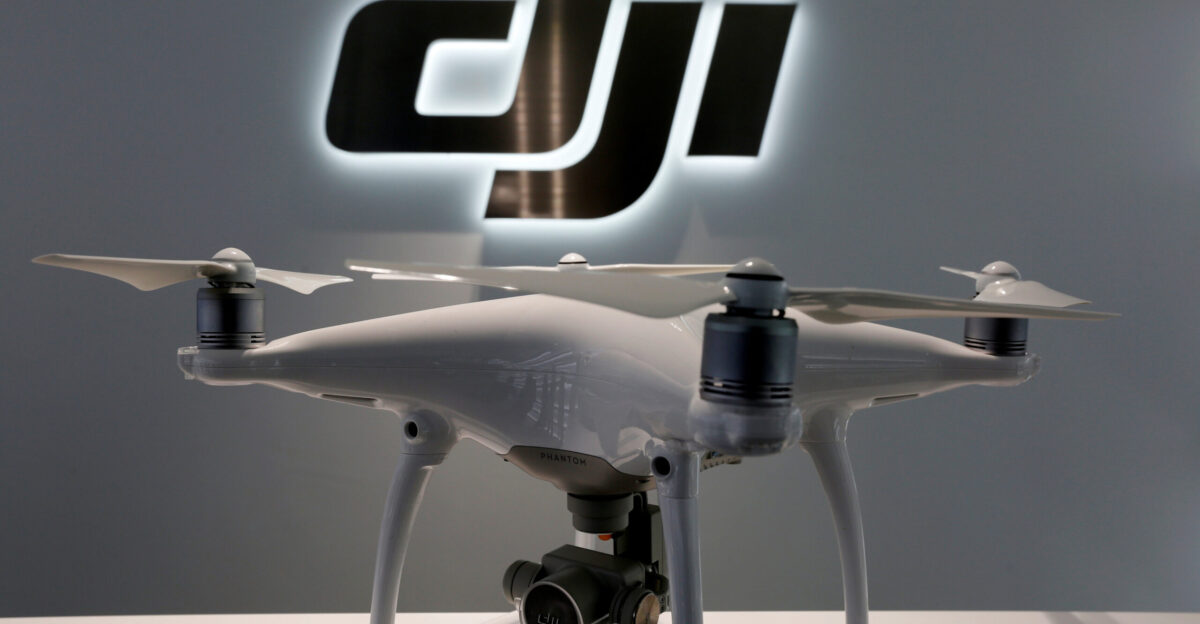
Other drone companies are positioning themselves as alternatives to DJI. Skydio, a U.S.-based autonomous drone manufacturer, has won several government contracts as federal agencies look for domestic options. Autel Robotics and Parrot also benefit from uncertainty surrounding DJI’s potential restrictions.
Meanwhile, Insta360, a Chinese camera company operating in adjacent markets, reported a 92.64% revenue increase in Q3 2025, suggesting consumer shifts toward non-DJI options. The potential U.S. ban could rapidly reshape the consumer drone landscape, driving both opportunity and competition for DJI rivals.
Geopolitical Context
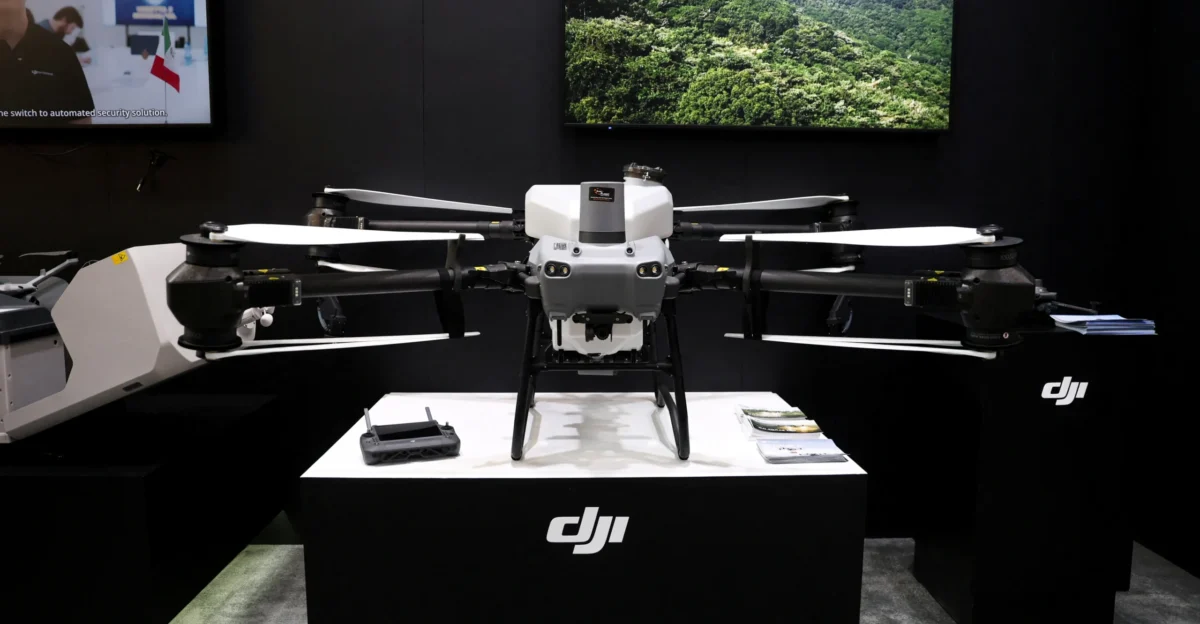
The FCC’s regulatory move reflects growing U.S.-China tensions over technology, trade, and national security. Federal agencies have suggested DJI has ties to the Chinese military, though courts recently ruled there is no proof of direct government control. No public evidence has shown DJI drones transmit sensitive U.S. data back to China.
Critics argue the action reflects national paranoia rather than evidence-based policymaking. DJI’s decades of technological innovation and global market trust collide with geopolitical concerns, leaving consumers caught between security rhetoric and business reality.
Shell Company Strategy

DJI has quietly launched shell companies to continue product flow in the U.S. The Skyrover X1, for example, closely resembles DJI’s Mini 4 Pro, sharing the same OcuSync radio frequencies. Independent analysts have tracked multiple suspected “DJI front companies” attempting to bypass scrutiny.
The FCC’s new retroactive authority explicitly targets these loopholes. Regulators can now block any product using DJI-designed components, regardless of brand labeling.
Consumer Confusion Mounts
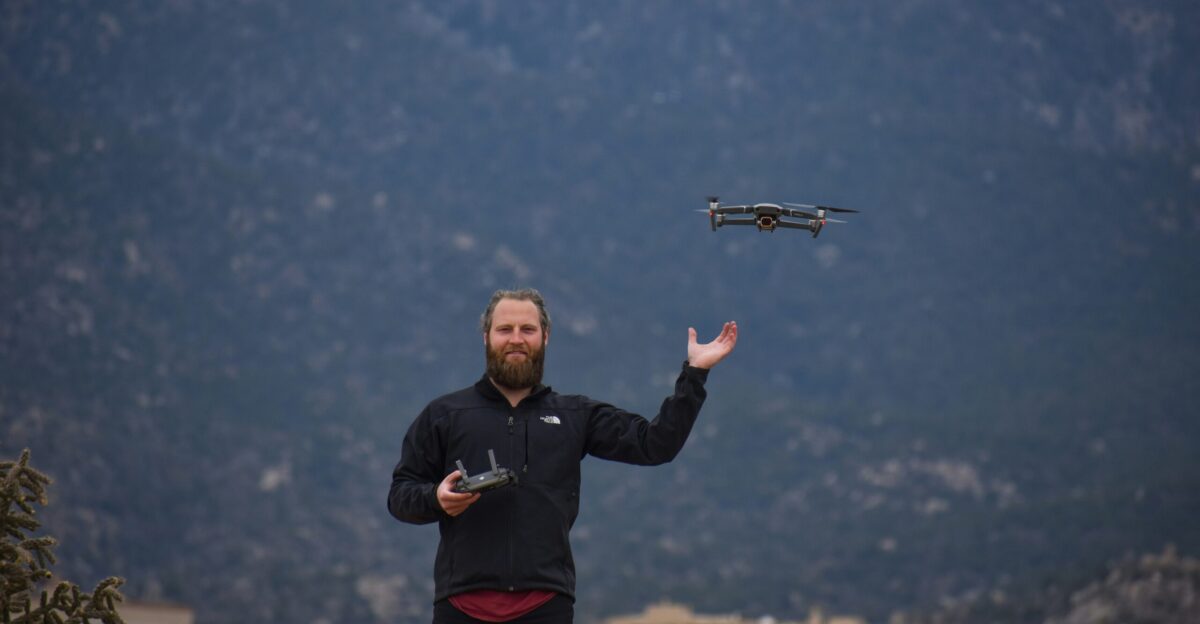
Drone enthusiasts and professional operators are now weighing whether to buy DJI equipment before December 23. Online forums and social media feature heated debates: some urge buying before the potential ban, while others warn of investing in technology that could become unsupported overnight.
Retailers see conflicting signals. Some report surging demand for DJI drones as buyers rush to stockpile, while others hesitate to order inventory that might soon become unsellable. The uncertainty amplifies both market volatility and consumer anxiety, creating a tense pre-holiday season.
Chinese Market Expansion
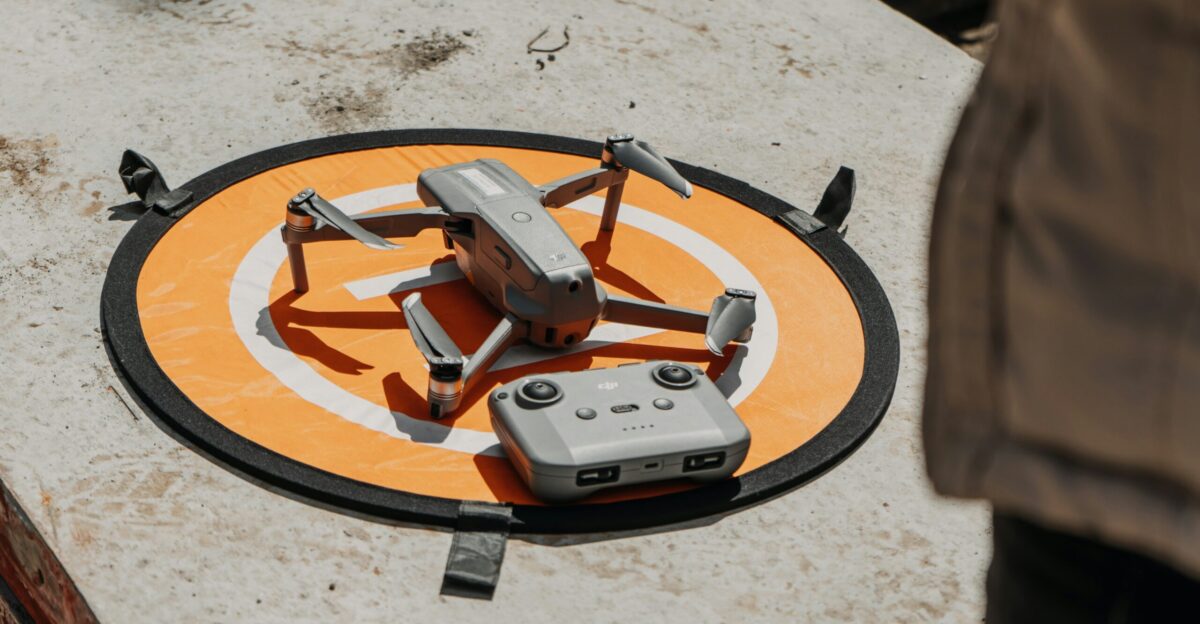
While facing potential ejection from the U.S., DJI is doubling down on international markets. Recent product launches include the Osmo Mobile 8 smartphone stabilizer and the Neo 2 drone, both featuring advanced technology for beginners and content creators.
However, uncertainty remains about whether new products like the Mavic 4 Pro or Mini 5 Pro will reach U.S. consumers through official channels or only via the gray market. DJI’s global expansion highlights both resilience and the growing complexity of international drone distribution.
Regulatory Process
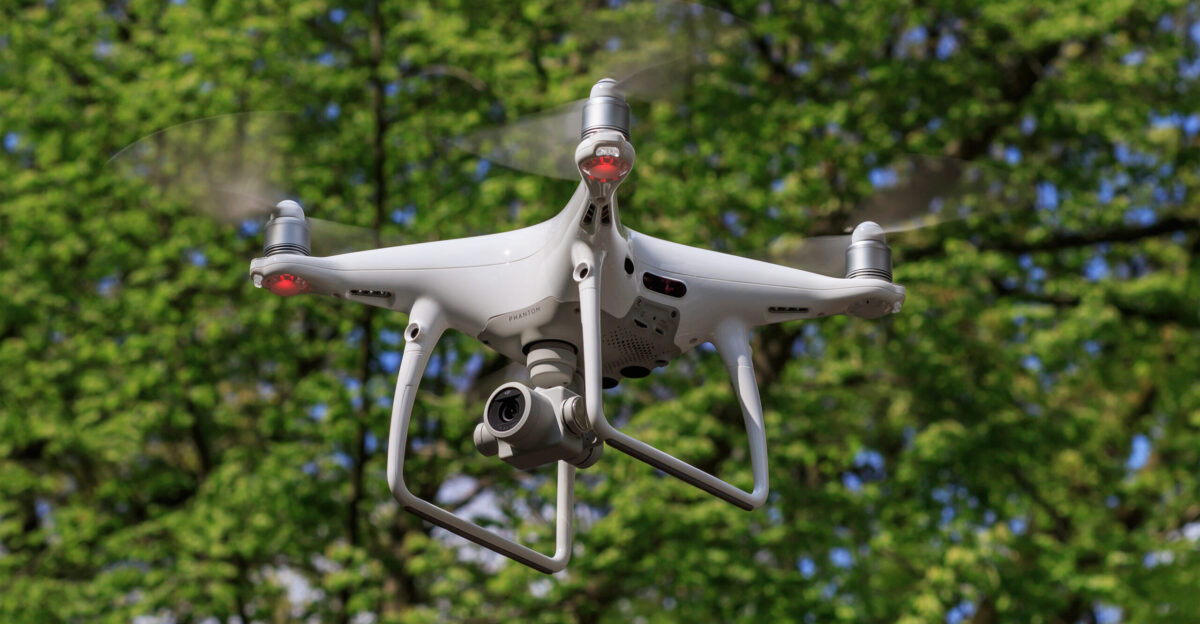
Under the FCC’s new authority, each potential product ban will include a 30-day public comment period. The agency has stated it will not confiscate or deactivate drones already in consumer hands. Existing owners can continue operating drones while the case-by-case reviews proceed.
This approach delays immediate mass disruption but raises long-term concerns. If DJI lands on the Covered List, firmware updates, support, and replacement parts could be restricted, leaving millions of U.S. users with unsupported equipment.
Industry Expert Skepticism
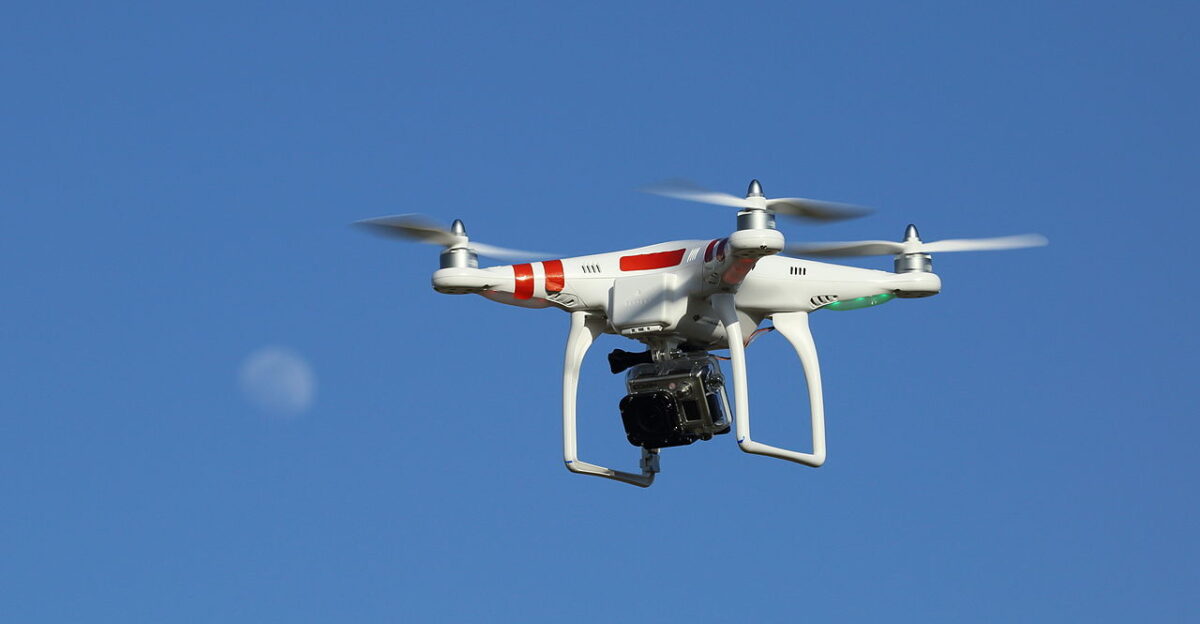
Analysts are divided over whether DJI will face an automatic December 23 ban. Some predict last-minute agency action or a deadline extension to prevent economic disruption during the holiday shopping season. Others suggest that the ten-month delay signals intentional stalling, creating conditions for automatic blacklisting.
The Foundation for Defense of Democracies supports the FCC’s approach, citing supply chain vulnerabilities. Yet experts warn that the combination of unprecedented retroactive authority and market dependency on DJI could generate significant legal and operational complications.
The Waiting Game
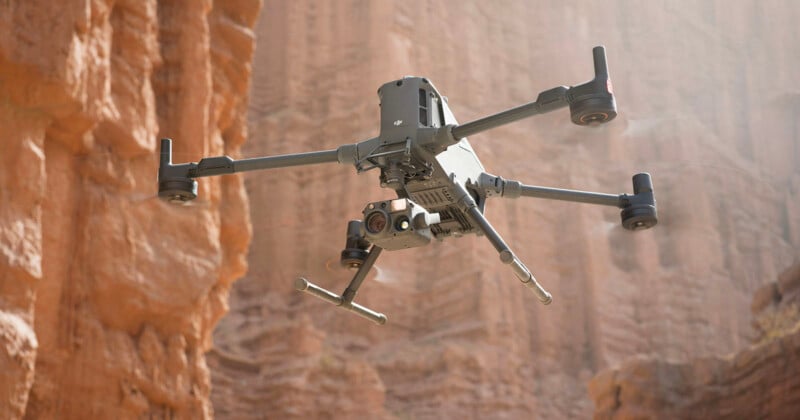
With fewer than 50 days remaining until December 23, no U.S. national security agency has stepped forward to begin the DJI risk assessment. Potential agencies include the Department of Defense, Department of Homeland Security, and FBI, but none have publicly initiated reviews.
If the deadline passes without action, DJI will be automatically added to the Covered List, marking one of the fastest regulatory reversals in consumer electronics history. From fully legal to banned in months, DJI’s U.S. market future hangs on an uncertain bureaucratic timeline.
Congressional Politics
The FCC’s retroactive authority stems from Congressional efforts to restrict Chinese technology in the U.S. The FY25 NDAA passed with bipartisan support, motivated by concerns over data privacy, intellectual property, and potential military applications.
Some lawmakers have described DJI drones as “spies in the sky,” although critics highlight a lack of substantiated evidence. Observers see the regulation as a mix of technology protectionism and national security policy, raising questions about balance between security and economic freedom.
Global Ripple Effects

International markets are watching closely. Europe has favored data localization and transparency measures rather than outright bans, but U.S. precedent could influence other countries to adopt similar retroactive restrictions.
DJI’s dominance amplifies the stakes. Any restriction in the U.S., which controls a significant share of global drone consumption, could reshape regulatory frameworks worldwide. Competitors and regulators alike monitor the unfolding scenario for signals about future technology governance.
Legal Challenges Ahead
DJI has challenged its designation of ties to the Chinese military in federal court, though the court allowed the designation to stand. Experts suggest the company could contest automatic Covered List addition if the security review never occurs, potentially arguing due process violations.
However, national security cases typically receive broad judicial deference. Litigation could take years, leaving U.S. import restrictions in effect during legal proceedings. DJI faces a complex legal landscape while regulatory uncertainty grows.
Consumer Rights Debate

The FCC’s retroactive authority raises concerns about consumer protections. U.S. buyers of legally purchased DJI drones could suddenly lose support, resale value, and functionality through no fault of their own.
Civil liberties advocates warn that such retroactive measures could extend beyond drones to other electronics like smartphones, EVs, or solar panels. This sets a potentially alarming precedent where legally purchased technology can be retroactively criminalized.
Blueprint or Anomaly?
The October 28 FCC vote may signal either a one-off reaction to Chinese technology or a future blueprint for regulating foreign electronics. The retroactive authority could theoretically be applied to any device containing radio transmitters—from phones to smart homes to vehicles.
Whether this mechanism becomes normalized will shape U.S.-China tech relations and consumer protection standards for years. The DJI case may set an epochal precedent, determining how far the U.S. government can extend control over previously legal technology.