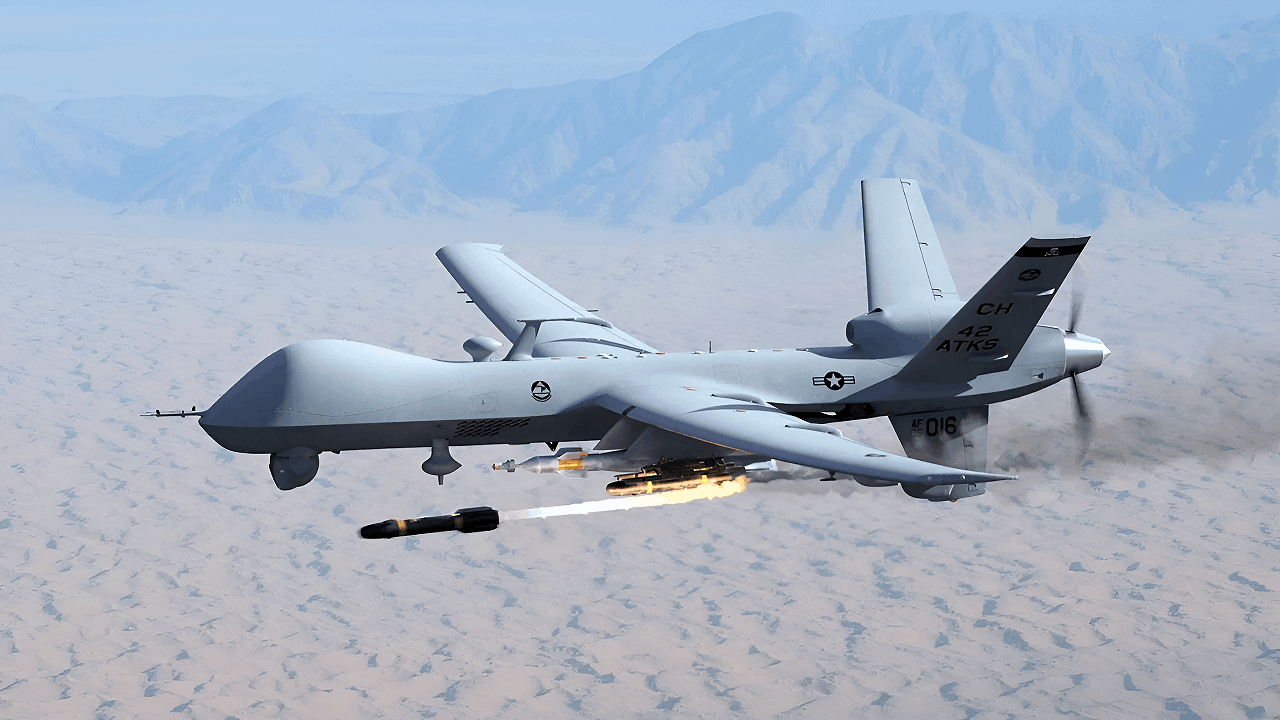
On Oct. 2, 2025, a U.S. MQ-9 Reaper drone struck a moving vehicle in Syria’s Idlib province. U.S. Central Command later confirmed the target was Muhammad ‘Abd-al-Wahhab al-Ahmad, a senior planner in the al-Qaeda-linked group Ansar al-Islam.
The strike drew international notice, highlighting Washington’s reach deep into Syria’s rebel-held zones.
Idlib’s Contested Landscape
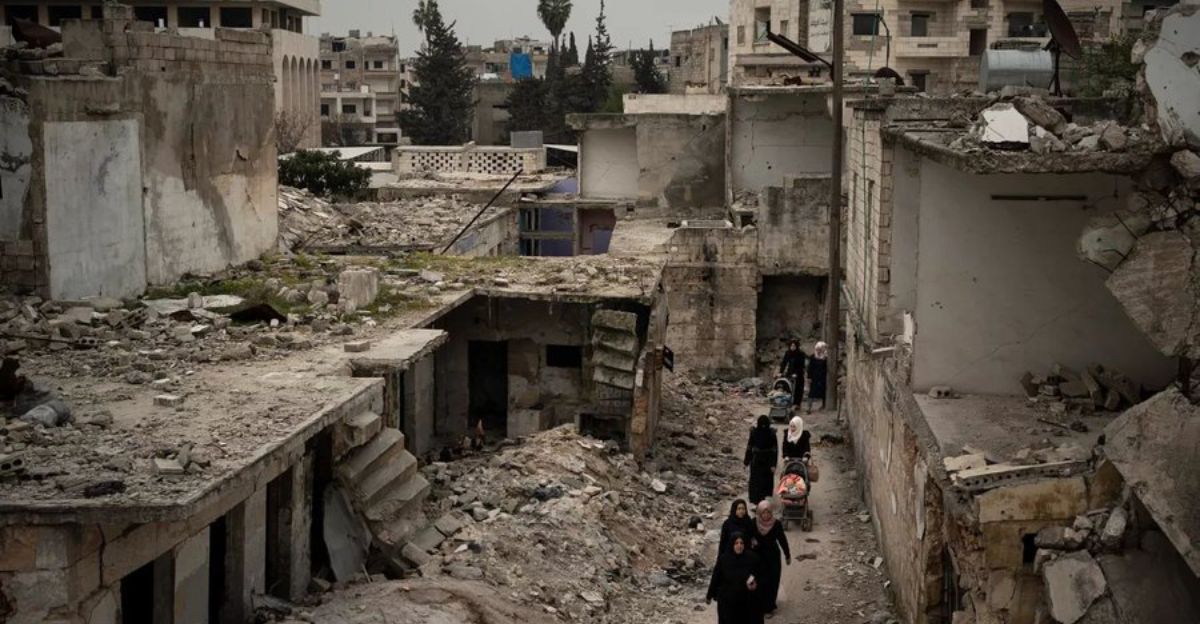
Idlib is Syria’s last major rebel stronghold. Jihadist factions like Hayat Tahrir al-Sham (formerly the Nusra Front) dominate alongside other insurgents. In recent years, the United States has stepped up drone patrols to counter these threats.
The Oct. 2 strike signals a renewed U.S. counterterrorism focus amid shifting alliances. CENTCOM says operations like this “disrupt and degrade” terrorist plotting.
Al-Qaeda’s Fragmented Syrian Network
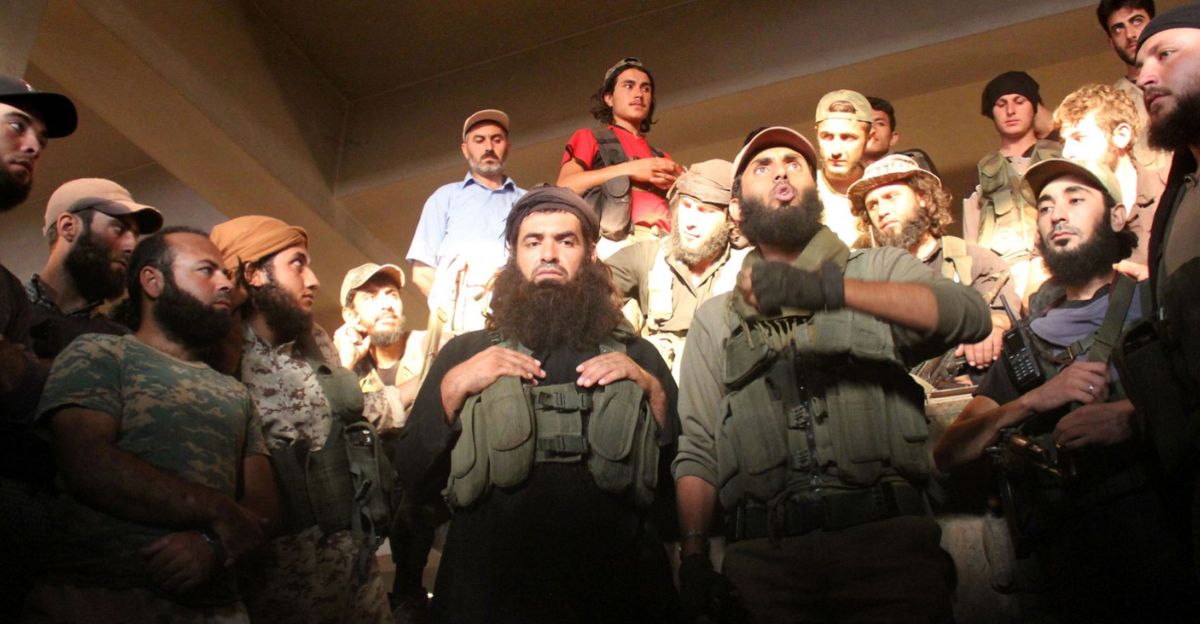
Al-Qaeda’s Syrian footprint has splintered since 2011. Once, Ansar al-Islam was an obscure Iraqi-Kurdish group; it sent fighters into Syria, fighting alongside Jabhat al-Nusra and later allying with Hurras al-Din.
Meanwhile, Hayat Tahrir al-Sham broke from al-Qaeda in 2020. U.S. intelligence tracked these affiliates for over a decade. Each cell embedded itself in local conflicts, complicating counterterrorism.
A Decade on the Run
Al-Ahmad had evaded capture for years. He surfaced around 2011 as a battlefield facilitator, quickly rising to manage attacks and logistics for Ansar al-Islam. Despite coalition patrols and informants, he disappeared into Idlib’s maze of jihadist hideouts.
His long survival highlighted how difficult it is to track militants amid Syria’s chaos.
High-Value Target Neutralized
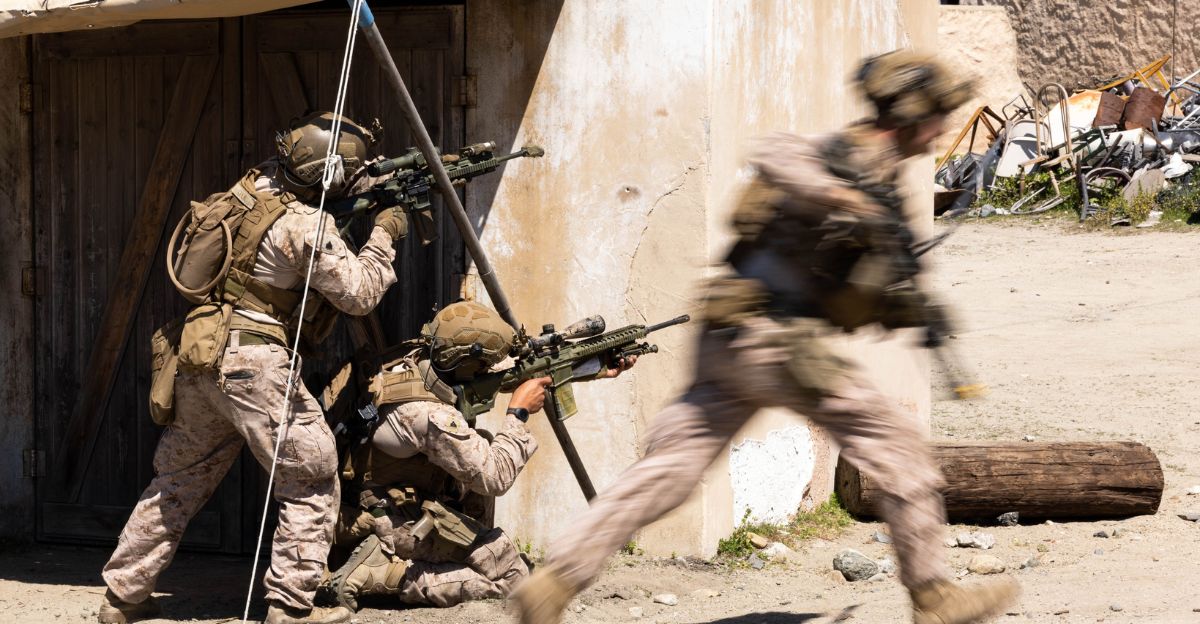
On Oct. 2, 2025, U.S. forces accomplished a high-stakes kill. CENTCOM announced the strike successfully eliminated Muhammad ‘Abd-al-Wahhab al-Ahmad.
Officials called him “a senior attack planner” for Ansar al-Islam. The outcome was hailed as a major blow to al-Qaeda’s network, abruptly ending al-Ahmad’s tenure as a planner and fundraiser.
Shockwaves in Idlib
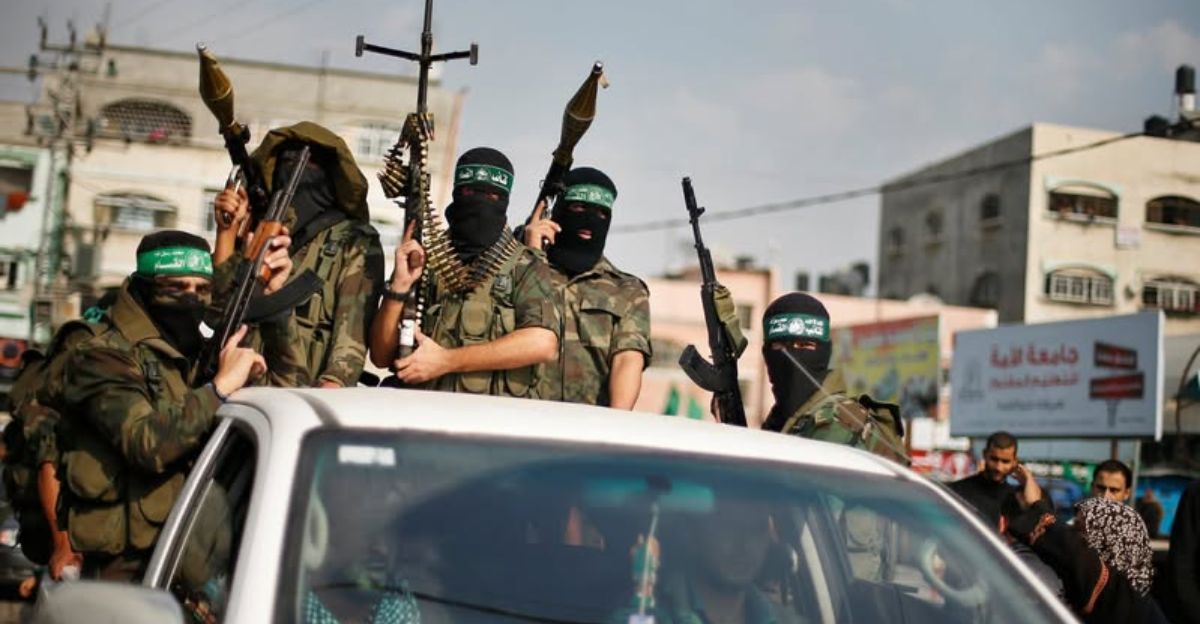
The immediate aftermath sent tremors through Idlib’s militant ecosystem. CENTCOM said the goal is to “disrupt and degrade” jihadist operations. Local reports (not independently verified) speak of sudden security sweeps and tense checkpoints.
Removing al-Ahmad – a reputed financier – likely severed cash flows and weapons routes. For a time, Ansar al-Islam cells faced confusion and fear as leaders vanished overnight.
Idlib’s Civilian Toll
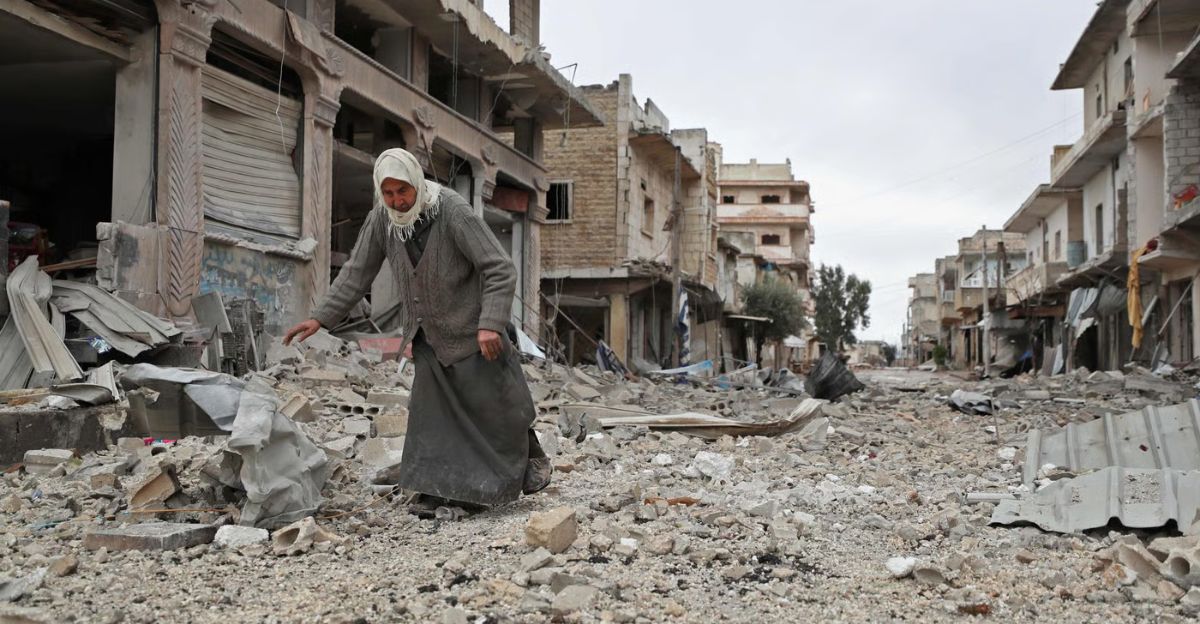
Even though CENTCOM reported no noncombatant casualties, the strike renewed anxiety for locals. Residents here already endure constant threat. “We don’t know what’s waiting for us,” said Munaf Daher, a student in Idlib, capturing the uncertainty many feel.
The drone strike – like past air raids – underscored that civilians in northwest Syria remain caught between militants and foreign air campaigns.
Drone Warfare in Syria
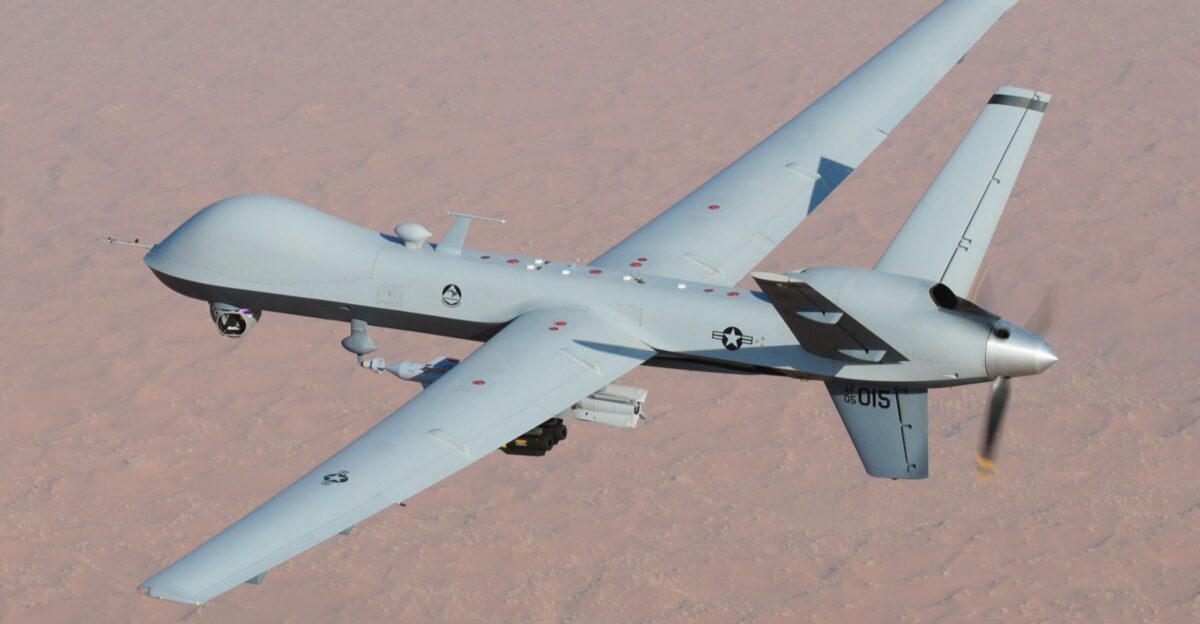
The MQ-9 Reaper, a flagship U.S. UAV, has played a key role in Syria. This “hunter-killer” drone is built for long-endurance, high-altitude surveillance. It can loiter for hours carrying Hellfire missiles, making it ideal for pinpoint strikes.
U.S. commanders rely on such drones to hit targets with minimal risk to pilots. Increased Reaper sorties in recent years reflect a broader shift toward remote counterterrorism in Syria.
Powers Compete in Syria
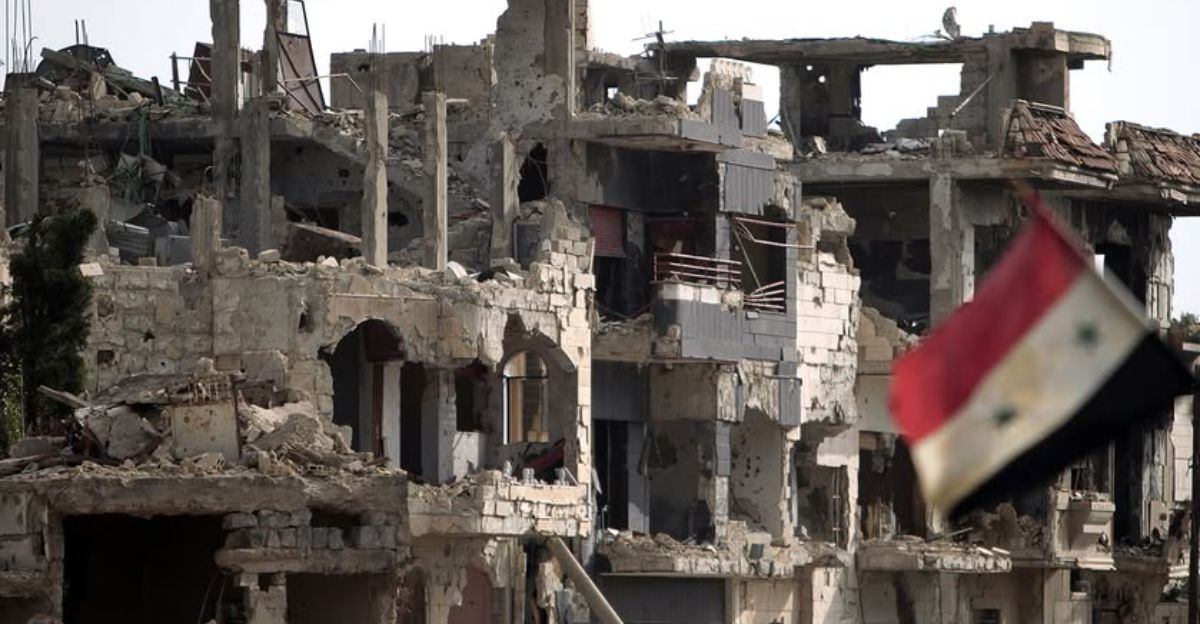
Syria’s civil war is a proxy battleground for outsiders. Russia and Iran support Assad, Turkey patrols southern Idlib, and the U.S. focuses on jihadists. Analysts note an “intensifying competition between Russia and Iran” over Syria’s future.
In Idlib specifically, Turkey pressures Washington not to destabilize its rear. Meanwhile, U.S. and Russian officers sometimes deconflict strikes (briefly coordinate) to avoid clashes. Each power’s move affects Idlib’s fragile balance.
Cutting Off the Money Flow
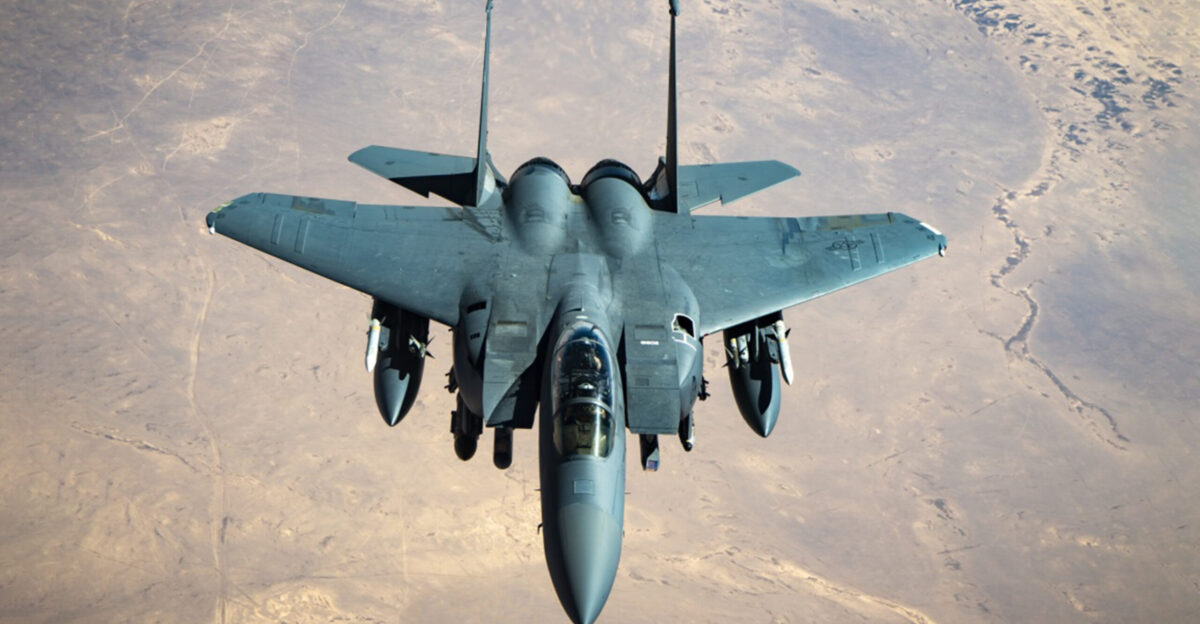
U.S. commanders emphasize hitting more than gunmen. In a Feb. 2025 airstrike, CENTCOM killed a senior Al-Qaeda finance official, underscoring that terror financers are targets too. The message: disrupting cash and weapons chains is as important as slaying leaders.
After al-Ahmad’s death, officials publicly noted the operation aims to “disrupt and degrade” extremists’ ability to plan attacks – implying that networks will scramble to replace their lost funding pipeline.
Militant Infighting Looms

Within jihadist ranks, the kill has sown discord. Multiple Ansar al-Islam lieutenants now eye the top job. Some reports (hard to verify) describe blame games and suspicion at rebel checkpoints. History shows such decapitations often spur short-term power struggles.
Intelligence analysts expect factional infighting to ripple through Idlib’s underground. However, most agree the chaos won’t last – a new planner will emerge once the dust settles.
CENTCOM Acknowledges
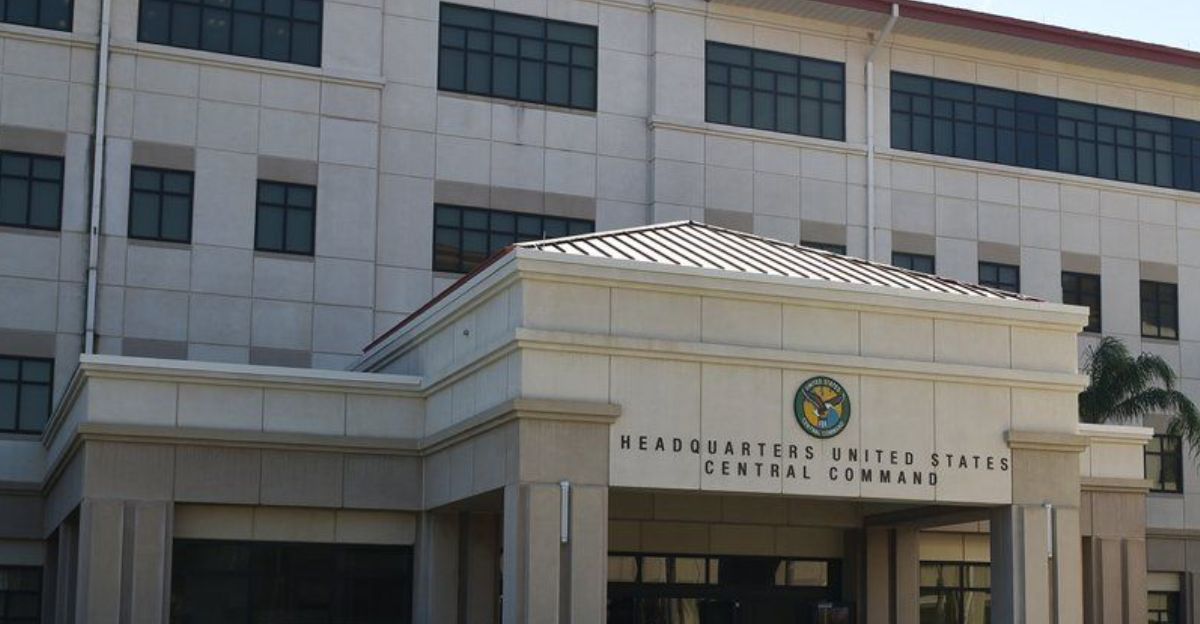
On Oct. 7, CENTCOM publicly acknowledged the mission. Admiral Brad Cooper, commander of U.S. Central Command, said American forces “remain postured to disrupt and defeat” terrorist plots.
He warned al-Qaeda and allies: “We will continue to defend our homeland, warfighters, allies, and partners throughout the region and beyond”. Cooper’s statement serves to deter adversaries and reassure U.S. allies of continued vigilance.
Ongoing Counterterrorism Operations
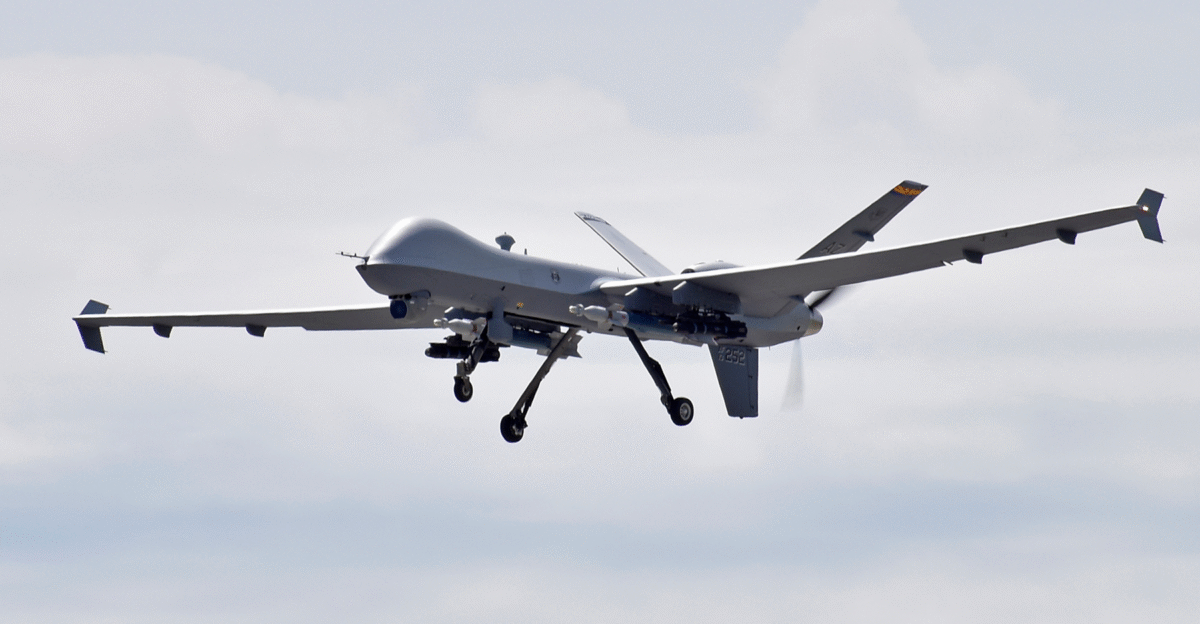
U.S. officials say the fight continues. After the strike, CENTCOM briefed partners and fine-tuned surveillance. They are flying more drones and sharing intelligence with Turkey and Arab units.
The pattern: one raid leads to more intelligence for the next. U.S. generals stress that this pressure should not let militants regroup. As one spokesman put it, coalition forces are “relentless” in pursuit, leaving jihadists with no safe hideout.
Experts Urge Caution
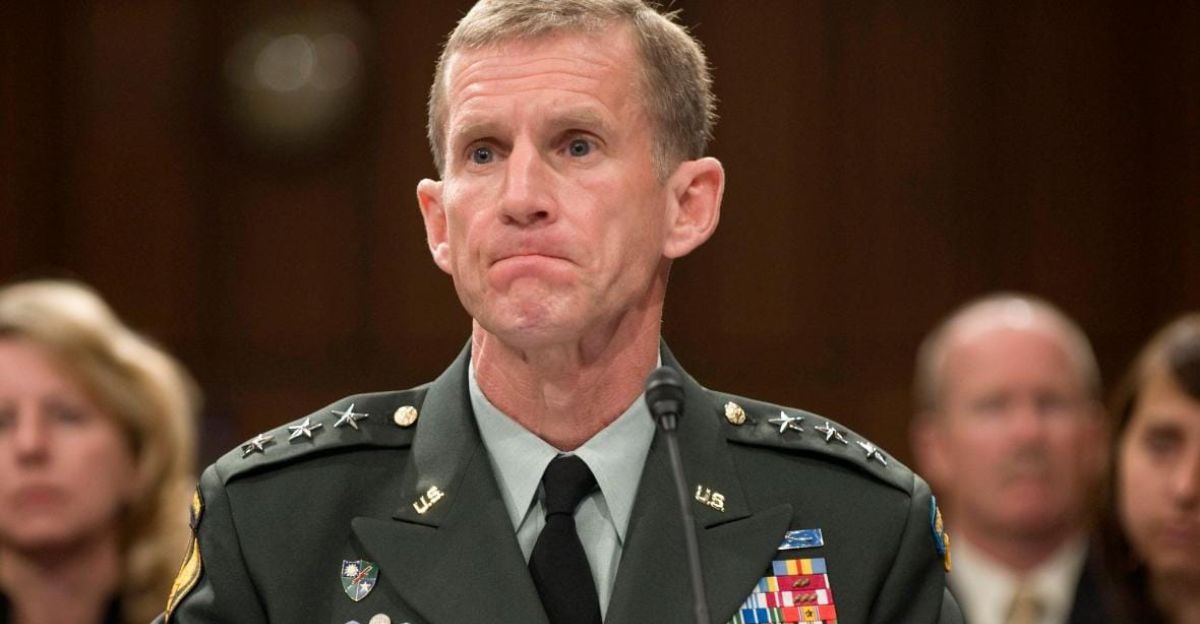
Counterterrorism experts warn that strikes are not a panacea. Retired General Stanley McChrystal notes the backlash: “the resentment created by American use of unmanned strikes…is much greater than the average American appreciates”.
Analysts also point out that al-Qaeda cells adapt quickly. Killing a planner may disrupt a cell temporarily, but the ideology persists. Long-term security requires political solutions and rebuilding, not just drones.
What Comes Next?
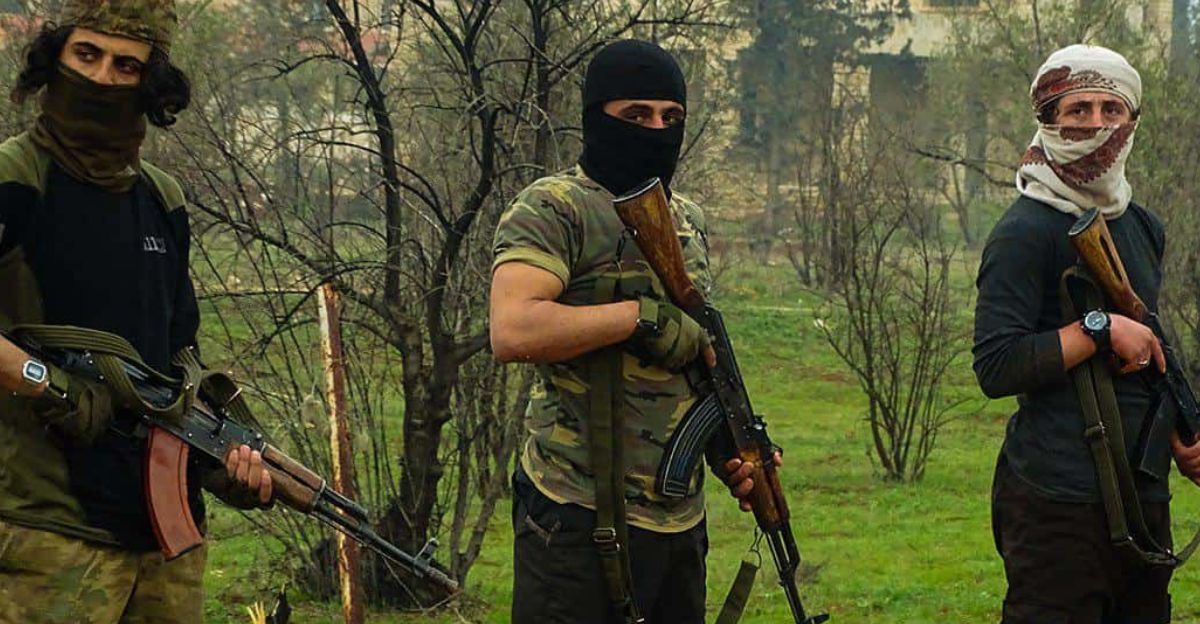
With its finance chief gone, Ansar al-Islam must reorganize. Will it retaliate? Security analysts are on alert for revenge attacks against Western forces or local allies. So far, propaganda outlets have glorified al-Ahmad as a martyr. U.S. monitors are also watching if the group splinters or merges with others.
In any event, experts say Washington will stay vigilant – assessing threats while pruning remaining leadership.
Assad’s Role Scrutinized
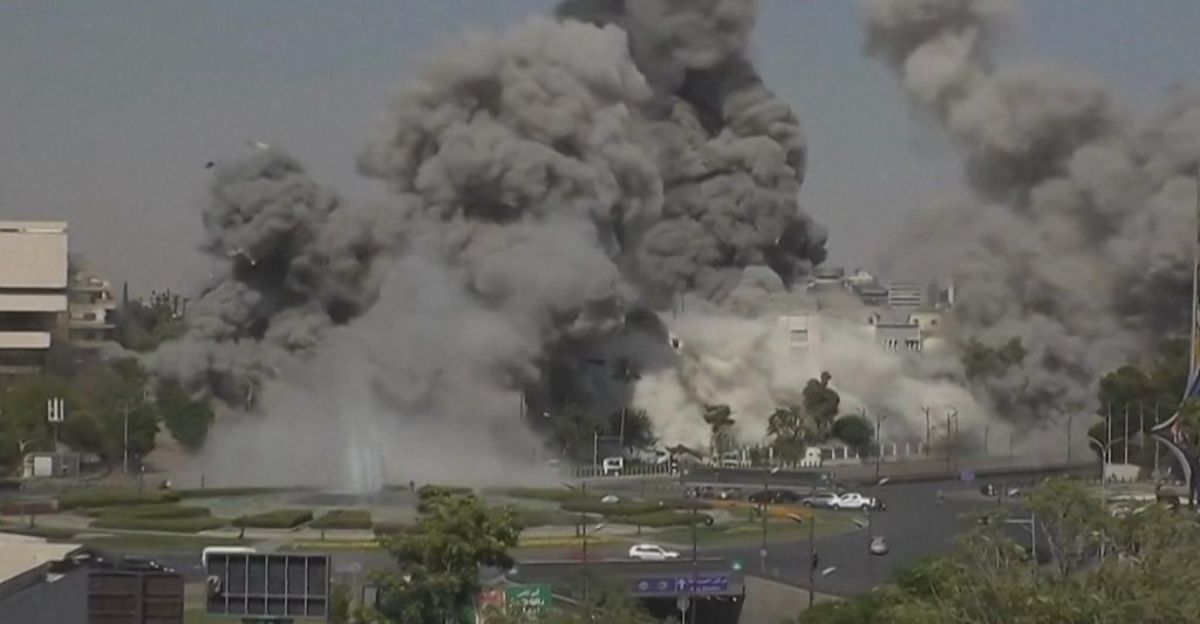
This strike happened outside Damascus’s control. President Bashar al-Assad remains focused on defending the capital, not Idlib. Yet Assad’s regime has a controversial history: U.S. intelligence has documented that early in the war, Assad “released ISIS terrorists from jail…so people would then join behind Assad”.
In other words, the regime has been accused of exploiting extremists. That history complicates U.S. policy: America must hit jihadists without empowering Assad’s narrative.
International Reactions

Washington’s allies broadly supported the strike as a counterterrorism effort. NATO officials applauded eliminating a Qaeda financier, citing shared security interests. Syrian opposition figures celebrated the hit on a jihadist boss.
However, some governments expressed unease: Turkey and others reiterated that U.S. strikes without consent violate sovereignty. Humanitarian groups echoed caution, calling for clarification on civilian safety. The U.N. is reportedly monitoring the strike’s compliance with international law.
Legal and Humanitarian Concerns
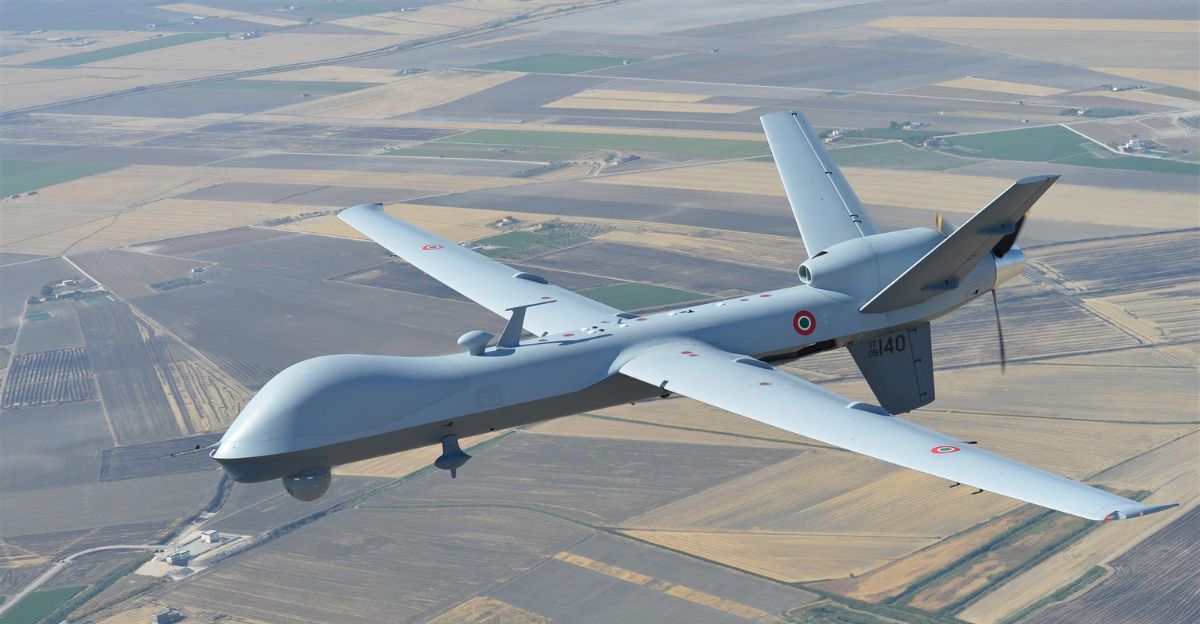
Human rights advocates remain wary of drone campaigns. Prior U.S. strikes in Syria drew criticism over undisclosed civilian tolls. In this case, CENTCOM insists there were no civilian injuries. Still, watchdogs stress transparency.
The Intercept noted: “We cannot make our government accountable for the victims of state violence if there is no transparency into its actions”. Debates persist about balancing rapid strikes with international law and civilian protection.
Shifting Perceptions of Warfare
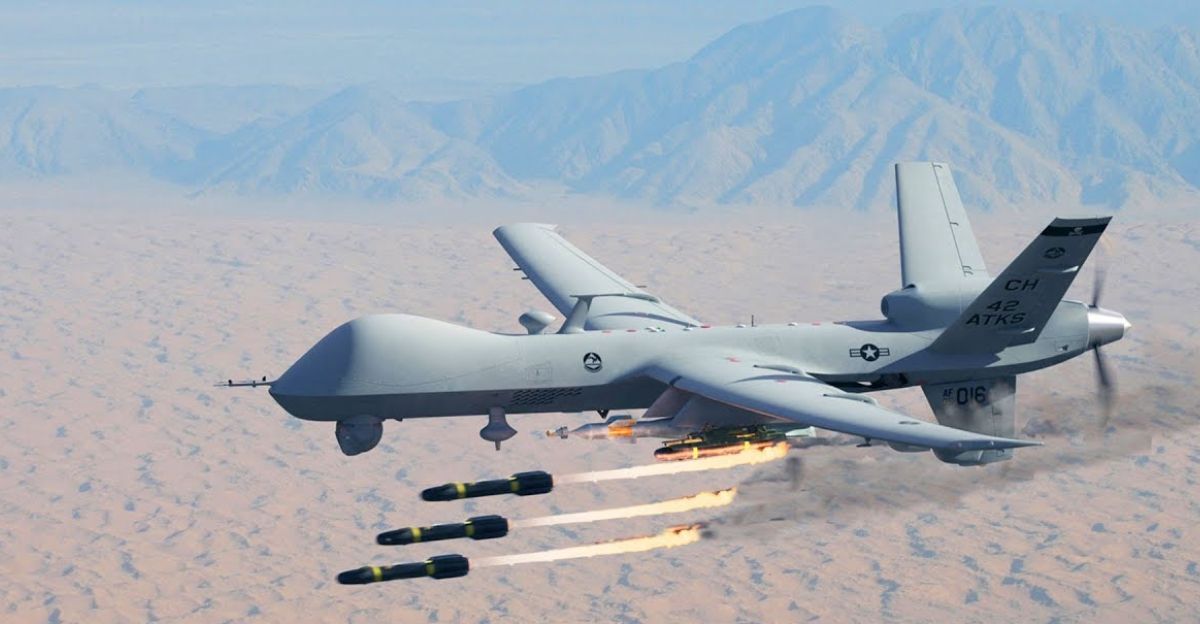
Drone strikes have reshaped how the public views conflict. Proponents say drones are precise, keeping troops safe. Critics warn of a “permanent/forever war” mindset: there is little pressure to end long-range campaigns.
Stimson Center analyst Brian Finlay observed that U.S. drone use “remains controversial” because of secrecy and a “lack of accountability”. As technology spreads, societies will continue debating the ethics of remote warfare and when its use is justified.
Aftermath and Outlook
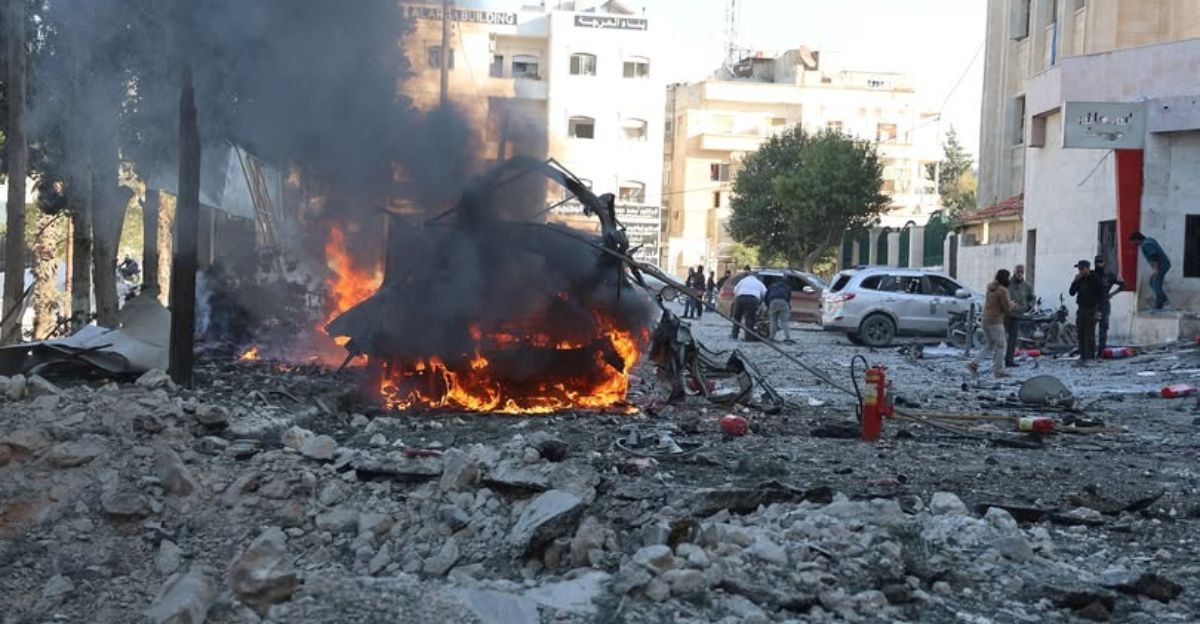
The elimination of a senior al-Qaeda financier in Syria underscores both the reach and limits of modern counterterrorism. It demonstrated U.S. capabilities, yet it cannot end the conflict. Militants may adapt or go underground.
Experts stress that ideology and governance issues must also be addressed. Moving forward, regional actors, rebel communities and international forces will all watch closely. This operation may deter some attacks, but Syria’s complex war—and debates over drone warfare—will carry on.