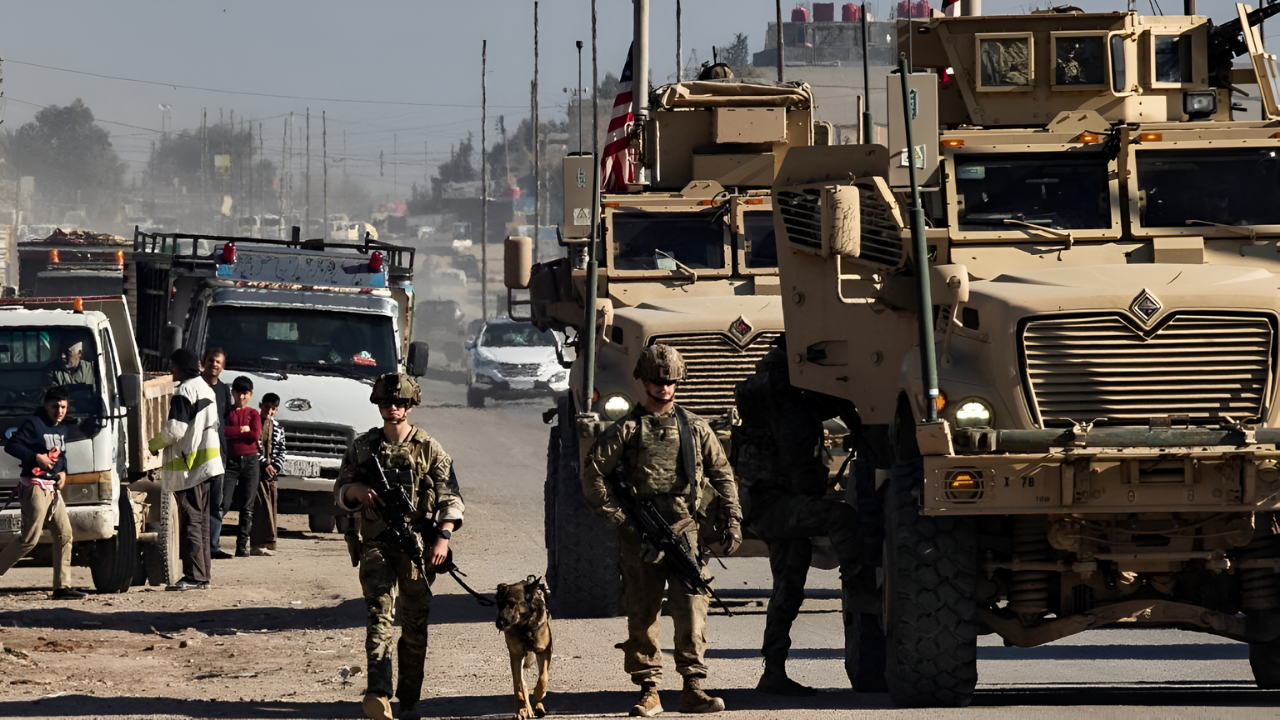
Over four days in late November 2025, U.S. and Syrian forces carried out a coordinated campaign that destroyed more than 15 ISIS weapons storage sites in southern Syria. The operation, conducted between November 24 and 27 in Rif Damashq province, eliminated stockpiles including more than 130 mortars and rockets, along with assault rifles, machine guns, anti-tank mines, materials used to build improvised explosive devices, and illicit drugs. Military planners say the strikes significantly degraded ISIS’s ability to launch attacks in Syria and beyond, underscoring both the group’s lingering resilience and the impact of renewed cooperation between Washington and Damascus.
Evolving Alliances and a Renewed Partnership
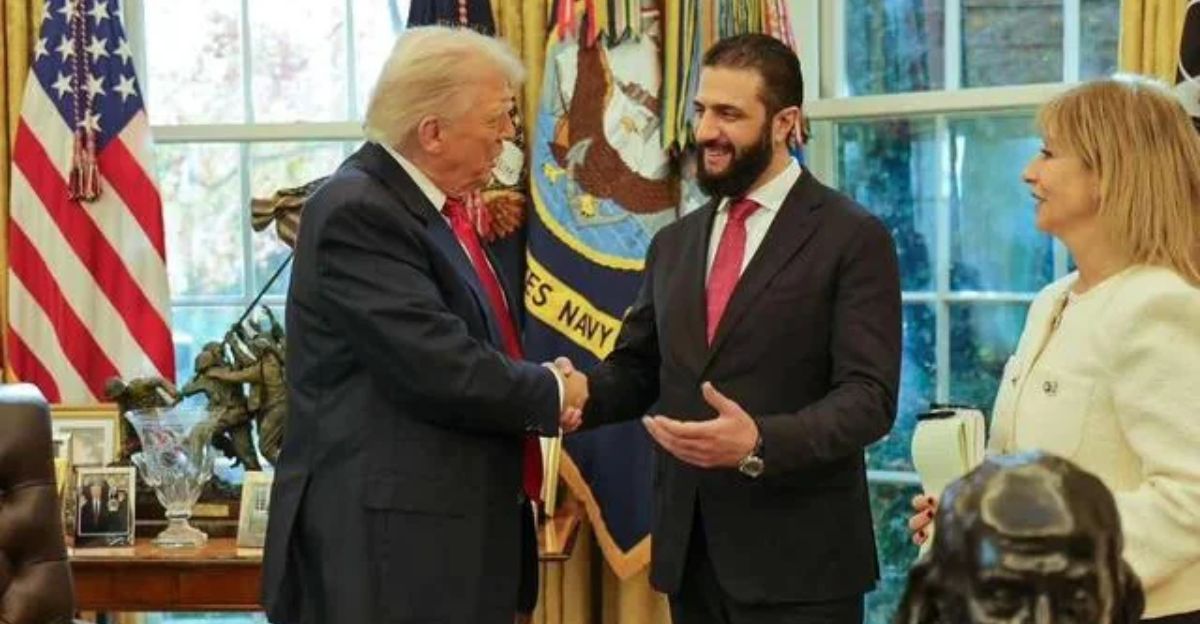
The raid unfolded against the backdrop of a shifting political order in Syria. The new government led by Ahmad al-Sharaa has moved away from years of isolation and confrontation with Western states, opening the door to direct collaboration with the United States on security matters. A meeting between al-Sharaa and President Donald Trump on November 10, 2025, laid the groundwork for closer coordination. Syria officially became the 90th member of the Global Coalition to Defeat ISIS on November 12, 2025, just days after the White House meeting.
For U.S. officials, Damascus’s decision to engage in joint operations marks the most significant security partnership with a Syrian government since the end of the Assad era. Both sides share a clear interest in preventing ISIS from rebuilding its capabilities or exploiting ungoverned spaces. The November offensive became an early test of this new alignment, with U.S. Central Command working directly with Syria’s Ministry of Interior to plan and execute the strikes.
Intelligence Network Sets the Stage
The scale and precision of the operation were the result of months of intelligence gathering. U.S. and Syrian analysts tracked ISIS logistics networks that had persisted despite the collapse of the group’s territorial caliphate in 2019. These networks relied on dispersed stockpiles in remote areas and clandestine supply routes that allowed the organization to retain a latent capacity for violence.
Using a combination of signals intelligence and on-the-ground human sources, investigators mapped out suspected depots across Rif Damashq. Syrian security units, supported by U.S. surveillance and analysis, identified more than a dozen high-value sites believed to hold the group’s largest concentration of heavy weapons in southern Syria. Officials described a “window of opportunity” in late November, when both the political authorization and the operational picture aligned to permit a rapid strike. The result was a tightly choreographed plan pairing American airpower with Syrian teams prepared to detonate or secure munitions on the ground.
Inside the Four-Day Offensive
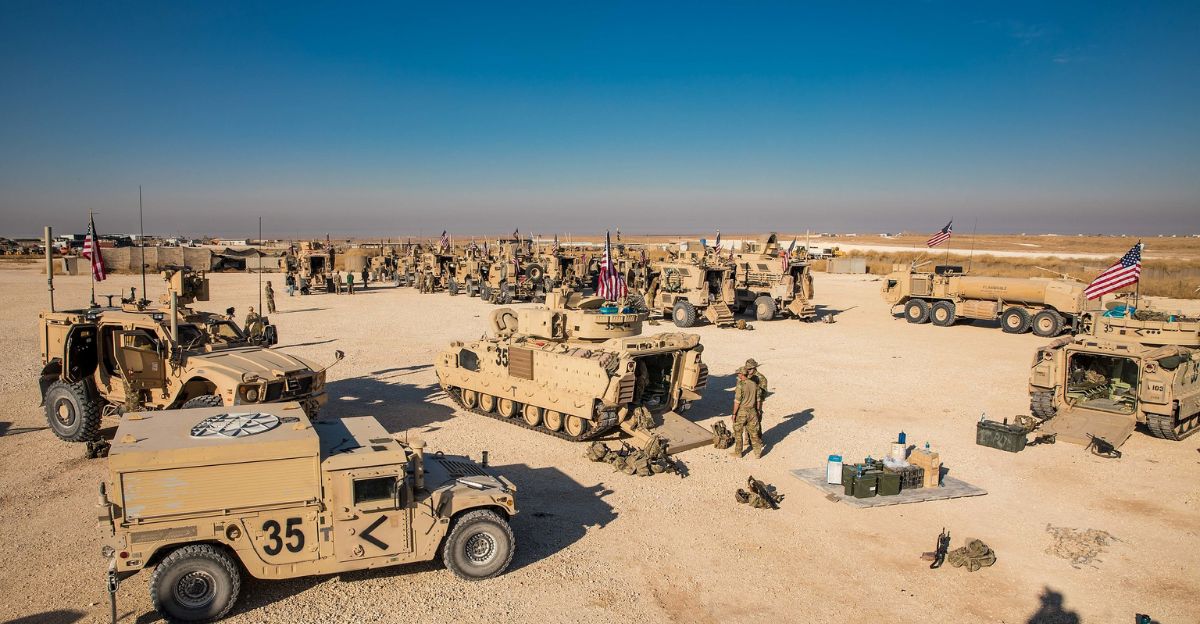
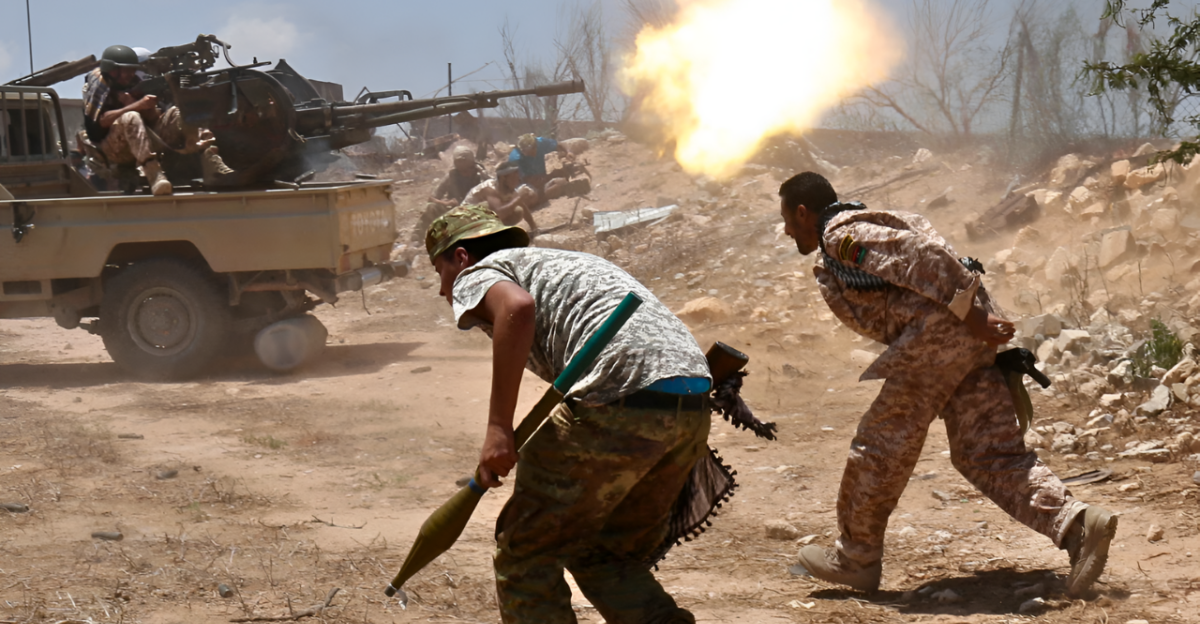
When the operation began on November 24, U.S. aircraft struck multiple locations in quick succession while Syrian forces moved to surrounding areas to conduct follow-on demolitions and ensure the sites could not be re-used. Over the course of four days, the joint effort systematically hit more than 15 storage facilities, focusing on depots that held indirect fire systems, explosives and weapons suitable for large-scale attacks.
According to official accounts from CENTCOM, the caches included over 130 mortars and rockets, along with stocks of small arms, heavy machine guns, anti-tank mines, components for explosive devices, and illicit drugs. Local security officials reported visible evidence of the explosions as the depots were destroyed.
Admiral Brad Cooper, commander of U.S. Central Command, publicly welcomed the results, describing the mission as a major step toward ensuring that battlefield gains against ISIS remain durable. He said the destruction of the weapons sites would make it harder for the organization to regenerate and to plan or export attacks against the United States and its partners.
What the Operation Means for ISIS and the Region
Although ISIS no longer holds territory as it once did, analysts note that the group has adapted by dispersing its remaining fighters and weapons, relying on hidden caches and flexible cells to survive. The November operation struck at this model by removing a large share of the heavy weapons believed to be stored in Rif Damashq, an area intelligence assessments had identified as a key hub for the group’s remaining arsenal in southern Syria.
Officials and regional observers view the raid as an indication of what sustained cooperation between local authorities and international partners can achieve. The mission demonstrated that joint intelligence work and shared political will can translate into rapid, large-scale action against militant infrastructure. At the same time, security experts caution that ISIS has shown a consistent ability to shift tactics and geography in response to pressure. They warn that the organization may attempt to move operations to other parts of Syria or nearby states where governance is weaker.
Looking Ahead
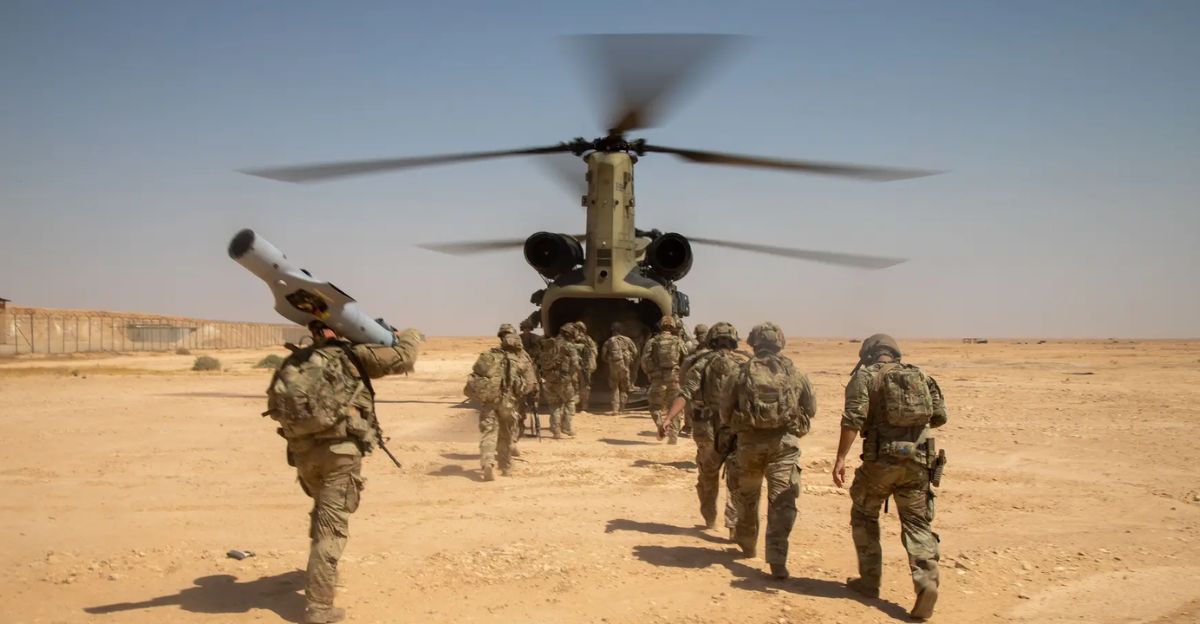
Looking ahead, U.S. Central Command has signaled that American forces will continue to target ISIS remnants in Syria, emphasizing constant monitoring and readiness to act against any attempt to rebuild stockpiles. Syrian authorities, newly integrated into the broader coalition effort, are expected to play a sustained role in gathering intelligence and responding to threats within their territory.
For communities in southern Syria, the focus on remote weapons sites in military-controlled areas reflects the operation’s targeting strategy. Residents and local leaders remain attentive to the implications of ongoing military campaigns, including the need for parallel efforts that address humanitarian needs and long-term stability.
The November raids highlight both progress and unfinished work. They reinforce that coordinated military action can sharply limit ISIS’s immediate capacity for violence, while also underscoring that enduring security will depend on continued intelligence sharing, careful attention to operational planning and broader political engagement across the region.
Sources:
CENTCOM Official Press Release – “U.S., Syrian Forces Locate and Destroy ISIS Weapons Caches in Southern Syria”
Foundation for Defense of Democracies – “U.S., Syrian Forces Destroy ISIS Weapons Caches in Southern Syria in Combined Operation”
Reuters – “American and Syrian forces conduct airstrikes on ISIS weapons storage facilities”
Stars and Stripes – “US, Syrian forces destroy more than 15 ISIS weapons stockpiles in 4-day blitz”
Straits Times – “US and Syrian forces conduct air strikes on ISIS weapons storage facilities”
Syrian Observer – “CENTCOM Announces Joint Operation with Damascus Against ISIS”