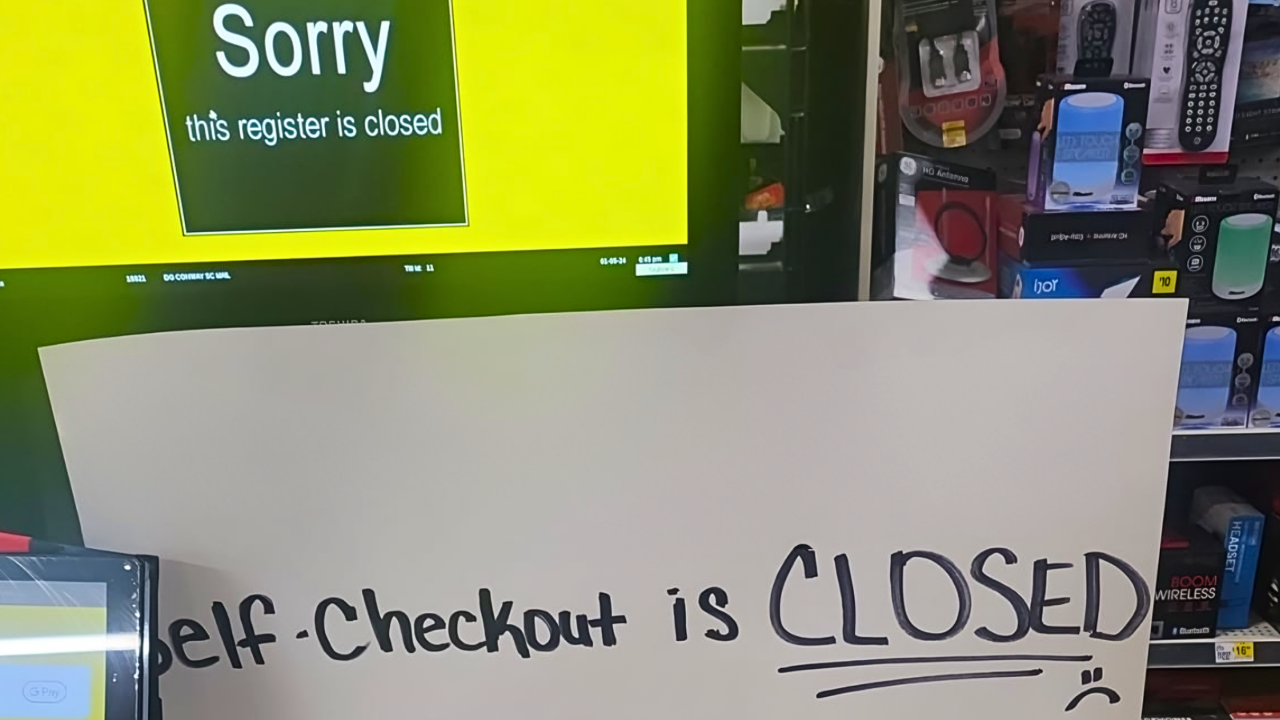
Walmart and Dollar General are reshaping the U.S. retail experience by scaling back self-checkout lanes, a move that marks a dramatic reversal from years of automation. This shift comes as retailers confront mounting losses from theft and growing customer dissatisfaction, prompting a renewed focus on traditional, staffed checkout lanes.
Billions Lost to Theft
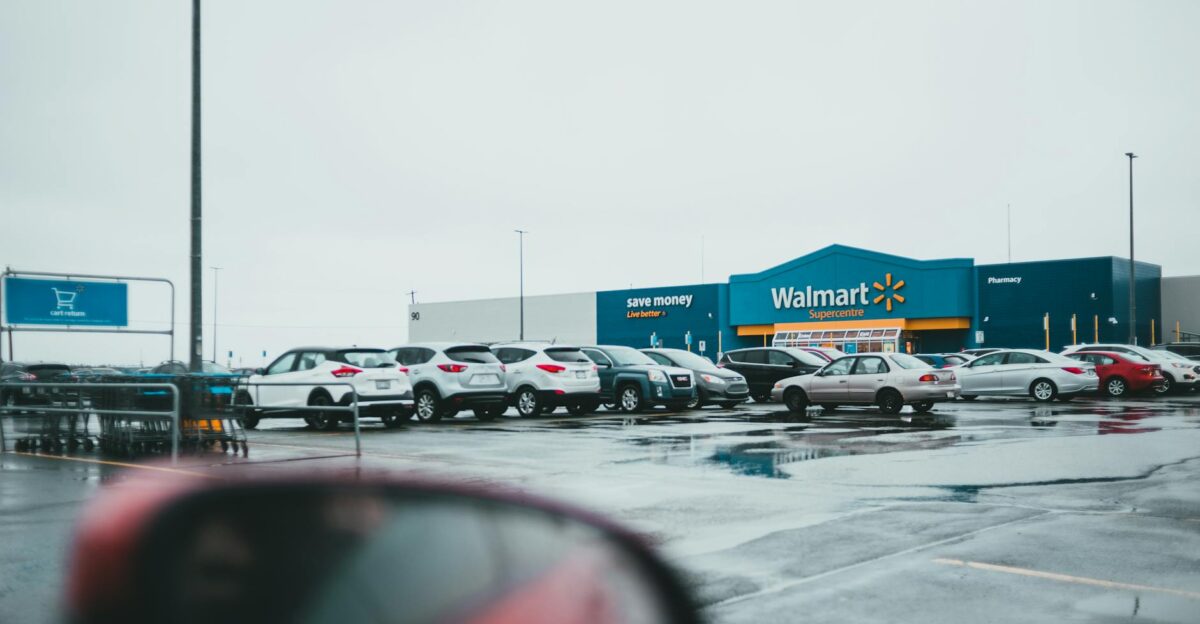
Retailers have been forced to reconsider self-checkout technology as theft rates soar. In 2023, Walmart reported approximately $3 billion in losses attributed to shrinkage, much of it linked to self-checkout kiosks. Dollar General and other chains face similar challenges, with executives citing theft as a primary reason for the rollback.
The financial stakes are high, and the urgency to protect revenue has led to a strategic pivot away from automation. This is not just a technological issue—it’s a matter of restoring customer trust and adapting to a retail environment where security and service are paramount.
The Rise and Retreat of Automation
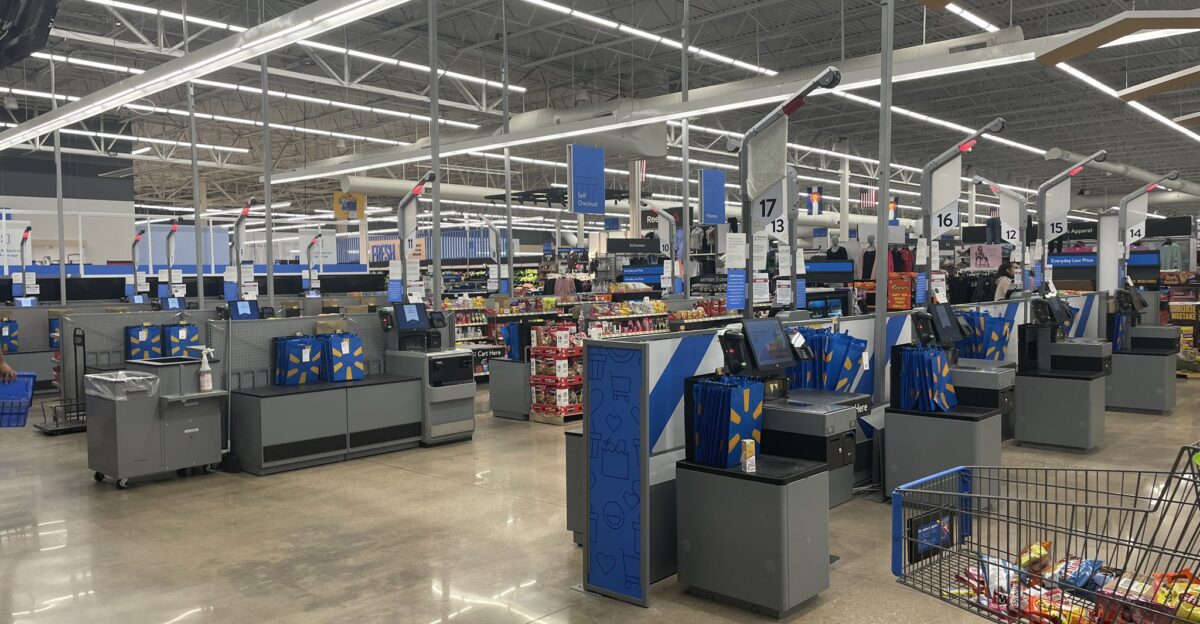
Self-checkout machines became a fixture in major retail chains in the early 2000s, promising efficiency and reduced labor costs. However, the rapid adoption of automation has exposed significant vulnerabilities.
Research by Grabango, a loss-prevention analytics firm, indicates self-checkout lanes are up to 16 times more susceptible to loss than traditional cashier lanes. Customers have also voiced frustration over confusing interfaces and lack of assistance, leading retailers to reconsider the balance between convenience and security. The current backlash signals a pivotal moment in the evolution of the shopping experience, as retailers prioritize customer service and loss prevention over speed.
Major Chains Lead the Shift
Walmart has begun removing self-checkout machines from select stores, including its Shrewsbury, Missouri Supercenter, locations in Cleveland, Ohio, and three stores in New Mexico. Dollar General has followed suit, eliminating self-checkouts from 300 stores and converting approximately 9,000 locations to assisted checkout nationwide.
These changes are designed to curb theft and improve the customer experience. Walmart spokesperson Brian K. Little explained, “We decided to take out self-checkout lanes and place staffed lanes in some stores,” underscoring the renewed emphasis on service. The impact is already being felt in local communities, where longer wait times are offset by more personalized interactions with cashiers.
Industry-Wide Response and Regional Effects
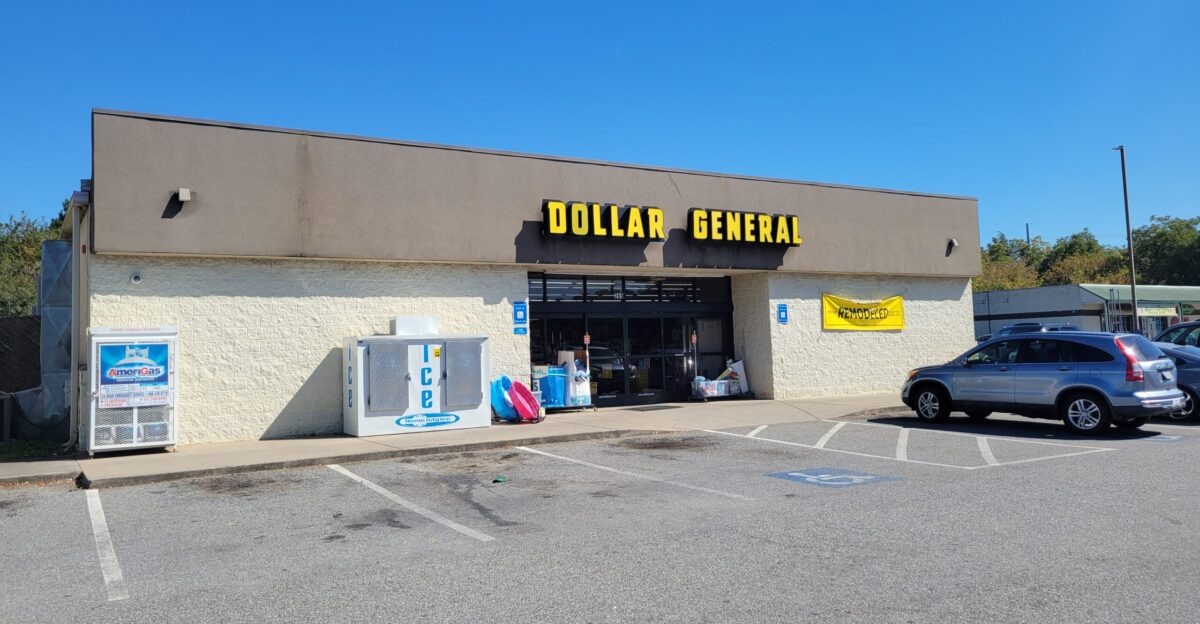
The rollback of self-checkouts is not uniform across the country. Walmart’s phased removal targets specific stores, while Dollar General’s conversion spans nearly every U.S. state. Other retailers are also adapting: Target has introduced a 10-item-or-fewer express self-checkout option, catering to customers who still value speed.
Five Below is increasing staff in response to rising shrinkage at its self-checkout locations. This evolving landscape suggests the industry may settle on a hybrid model, blending technology with human oversight to meet diverse customer preferences. Meanwhile, prominent chains like Aldi, Amazon, and Booths are reassessing their automation strategies, often citing challenges with technology reliability and customer dissatisfaction. Amazon removed its “Just Walk Out” cashierless technology from Amazon Fresh stores in 2024, while Booths eliminated self-checkouts from most of its UK locations.
Return of the Human Touch

The reintroduction of staffed registers is restoring jobs and reshaping the retail workforce. Companies like Five Below and Dollar General are actively hiring more cashiers, reversing a trend of technology-driven layoffs. Walmart associates now have greater opportunities to provide personalized service, helping rebuild trust and satisfaction among shoppers.
While some customers lament the loss of self-checkout speed, others welcome the renewed sense of community and connection. Retailers are tasked with balancing these competing demands, refining checkout strategies to harmonize efficiency with personal service.
Looking Ahead: Balancing Technology and Service
As Walmart and Dollar General lead the retreat from self-checkouts, the industry is closely watching the outcomes. The implications extend beyond checkout strategies to include job creation, technology’s role in retail, and the future of customer service. Policymakers in states like California are examining regulations to support retailers in combating theft. The evolving retail climate demands agility, with companies needing to adapt quickly to shifting market dynamics and consumer behavior.
The road ahead will likely see retailers experimenting with new technologies, such as AI-powered self-checkout systems and RFID-based scanning, while maintaining a strong human presence. The challenge will be to create shopping experiences that deliver both technological efficiency and the comfort of personal service. As the industry navigates this period of change, the balance between automation and the human touch will shape the future of retail, redefining how consumers interact with stores for years to come.